Neither single origin nor blend is "better." They are built for different jobs. A single origin is coffee from one place, sold to show you what that place tastes like. A blend combines coffees from different places to hit a consistent, repeatable flavour the roaster can keep on the shelf year round.
So the real question is not which one wins. It is what you want from the bag. If you want to taste a country, a farm, a variety, buy single origin. If you want the same reliable mug every morning, or a base for milk and espresso, a blend is doing exactly what it was designed to do.
What each term actually means
Single origin means the coffee comes from one source. That can be a whole country, but in specialty it usually means something tighter: a single farm, a single lot within that farm, one harvest, sometimes a single variety processed one way.
The tightest version is a micro-lot: one field, a narrow altitude band, often a single day of picking. These are among the highest quality coffees offered, and they are priced to match.
A blend is assembled on purpose. A roaster decides on a target, say chocolate and baking spice, finds several origins that combine to make it, and blends them. If one component runs out, they swap in a similar coffee to hold the profile.
That swap is the whole point. It is why a good blend tastes the same in January and July, while a single origin shifts as the harvest turns over.
What a single origin gives you
Because every bean comes from one place, a single origin expresses terroir: soil, climate, altitude and processing all shaping one flavour. It is coffee as a postcard from somewhere specific.
The differences are real and easy to taste. Colombia leans balanced, with chocolate and caramel. Ethiopia delivers bright fruit and flowers. Kenya brings blackcurrant and a firm, structured acidity that makes your mouth water.
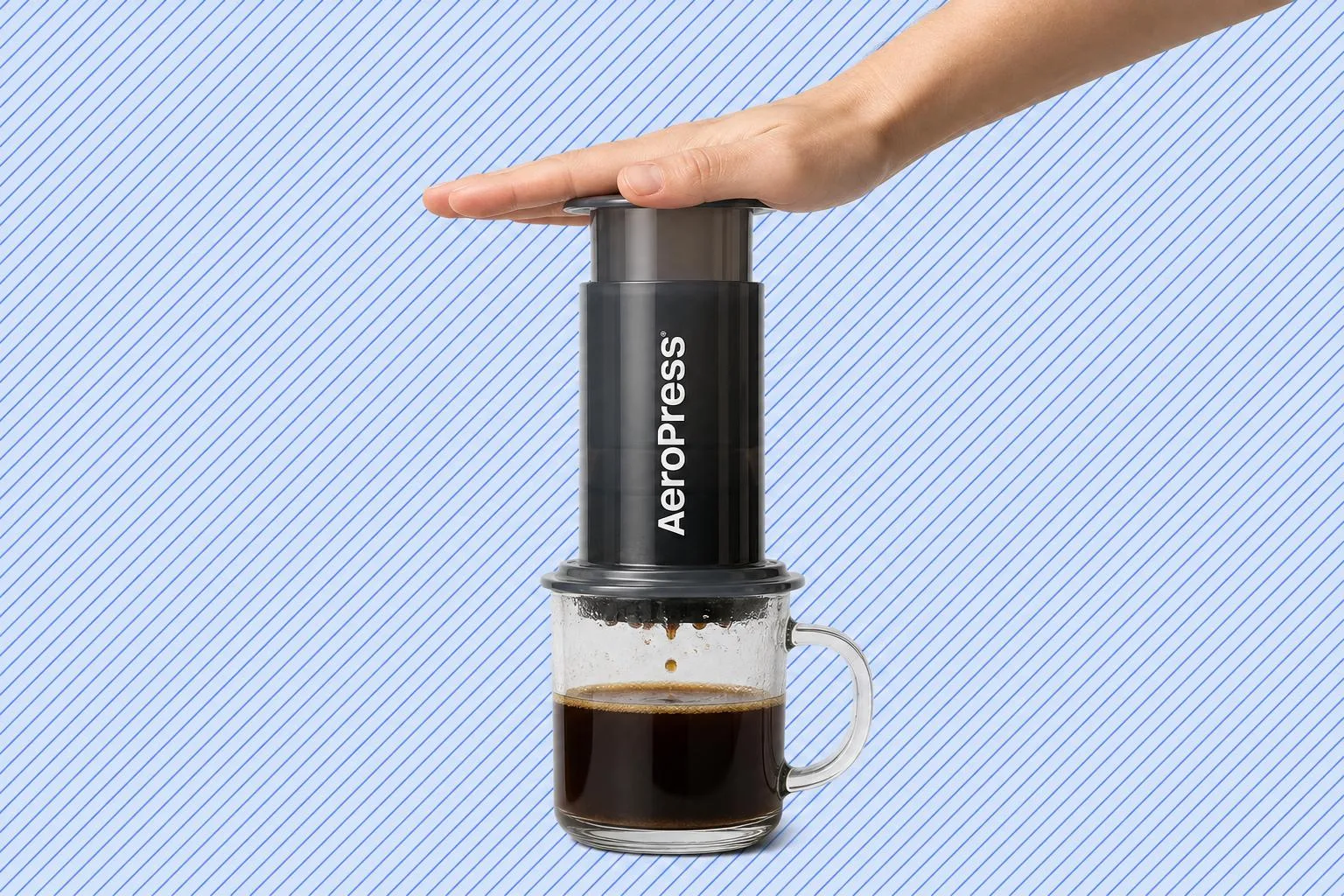
That clarity is best served by a method that shows detail. A pour over with a paper filter is the microscope here: it strips out oils and sediment so the delicate top notes come through.
The trade-off is seasonality and, often, a cup that does not want milk. Single origins change as new harvests arrive, and while the dominant character usually holds, the exact lot in your bag today may be gone next month.
Many of the brightest, most floral single origins taste thin or sour under a splash of milk. That is not a fault. A perfumed washed Ethiopian is built to be sipped black, where its delicacy is the whole point, and milk simply flattens it.
If you want to see what a single origin is for, a clean washed Kenyan is a loud, obvious example. This one is all blackcurrant and cassis, the kind of cup that makes the case for buying a place rather than a profile.
What a blend gives you
A blend trades that sense of place for dependability. The flavour is more homogeneous, which is a feature, not a flaw: it appeals to a wider range of palates and it survives cream, sugar and syrups better than most single origins do.
That is why blends dominate espresso and milk drinks. A roaster can build body, sweetness and a forgiving extraction window into a blend, so your flat white tastes right even when your technique wobbles.
There is a practical mechanism behind that forgiveness. Combining beans of different densities and roast behaviours widens the range of grind and dose that still tastes good, so a blend is harder to ruin than a single high-grown lot that turns sour the moment your dose drifts.
Blends are also how cafes build an identity. A house blend is usually crafted for one shop and sold only there, so it becomes part of that shop's signature. You cannot buy it anywhere else, and that is deliberate.
The honest downside is that a blend hides its parts. You rarely learn much about the farms inside it, and a lazily built blend can taste flat and anonymous.
A good one, though, is a small feat of engineering. A worked example might marry a smooth Brazilian base with a Colombian lot to land on dark chocolate with a hint of raspberry, each component covering the other's weakness.
Here is a wrinkle worth knowing: most of the specialty catalogue, including the coffees on this site, is single origin. Excellent standalone blends exist, but they are a smaller slice of the fine-coffee shelf, and many roasters put their best beans out as single lots.
The label is not regulated, so read past it
There are no universal rules or governing bodies enforcing coffee labelling. "Single origin" is a claim, not a guarantee, and it tells you only where a coffee is from, not how good it is.
In practice a roaster can legally sell "single origin Ethiopia" that is actually a mix of beans from several unrelated washing stations, blended at the warehouse, roasted dark and sold with no detail at all. That is technically single origin. It is not what most people picture.
Specialty is a different word doing a different job. It usually means beans scored 80 points or higher on the Specialty Coffee Association sheet. The term was coined back in 1974 to describe beans of the best flavour grown in special micro-climates.
Many specialty coffees are single origin, but not all, and the reverse is truer still: plenty of dull single origins exist. The label to trust is the specific one.
A named farm, region, altitude, variety and process tells you a real coffee stands behind the bag. The more of those a label carries, the less room there is to hide, whether the coffee is a single lot or a blend.
How to choose, in practice
Start with the job. Are you buying to explore and taste, or to fuel the morning without thinking? That single decision settles most of it.
One roaster suggests an 80/20 split: blends for the roughly 80% of coffee you drink on autopilot, single origins for the 20% you sit down and pay attention to. It balances cost, convenience and curiosity, and it is a sane default if you cannot decide.
Match the bag to your brew, too. Black filter coffee rewards an expressive single origin. Milk-based drinks and espresso lean toward a blend or a rounder, chocolatey single origin that behaves like one.
For a dependable everyday cup that takes milk gracefully, a balanced washed Colombian is the safe, repeatable choice. This one is straightforward chocolate and caramel, the sort of profile a good blend chases, in a single-farm bag.
And when you do spend your curious 20%, spend it on something vivid. A washed Ethiopian is the classic "taste the place" purchase: light, floral, citrussy, and a completely different experience from your daily mug.
A quick buyer's checklist
- Want the same cup every day, especially with milk or as espresso? Buy a blend, or a rounded, chocolatey single origin.
- Want to explore flavour and origin, brewed black? Buy a single origin, ideally with a named farm and region.
- Drinking it black on a pour over or filter? Lean bright and single origin.
- Building milk drinks or moving fast in the morning? Lean blend.
- Seeing "single origin" with no farm, region or altitude? Treat it as marketing until proven otherwise.
Cost is worth a plain word here. Single-farm and micro-lot coffees carry the price of small, careful production, so an adventurous bag often costs more per cup than a well-built blend that leans on larger, cheaper components.
That is another reason the 80/20 split works. It keeps your daily spend sensible while still leaving room for the occasional bag that teaches you something new about a country or a variety.
One last note for buyers: coffee is seasonal, and this catalogue refreshes as harvests arrive. Prices move, and a bag in stock today may sell out, so if a specific single origin grabs you, buy it while it is there.
If you are still torn, let the tools help. Browse the full range on the coffees page, or answer a few questions on the decide page to get pointed at something that fits how you actually drink. When the bag lands, dial in your ratio with the brew calculator.
The short version: buy a single origin to learn something, buy a blend to trust something. Most kitchens have room for both.