Arabica vs robusta coffee: what's the difference?
Two species, two chemistries. Arabica wins on flavour and acidity, robusta on caffeine, crema and hardiness. Here is what that means for the bag in your hand.
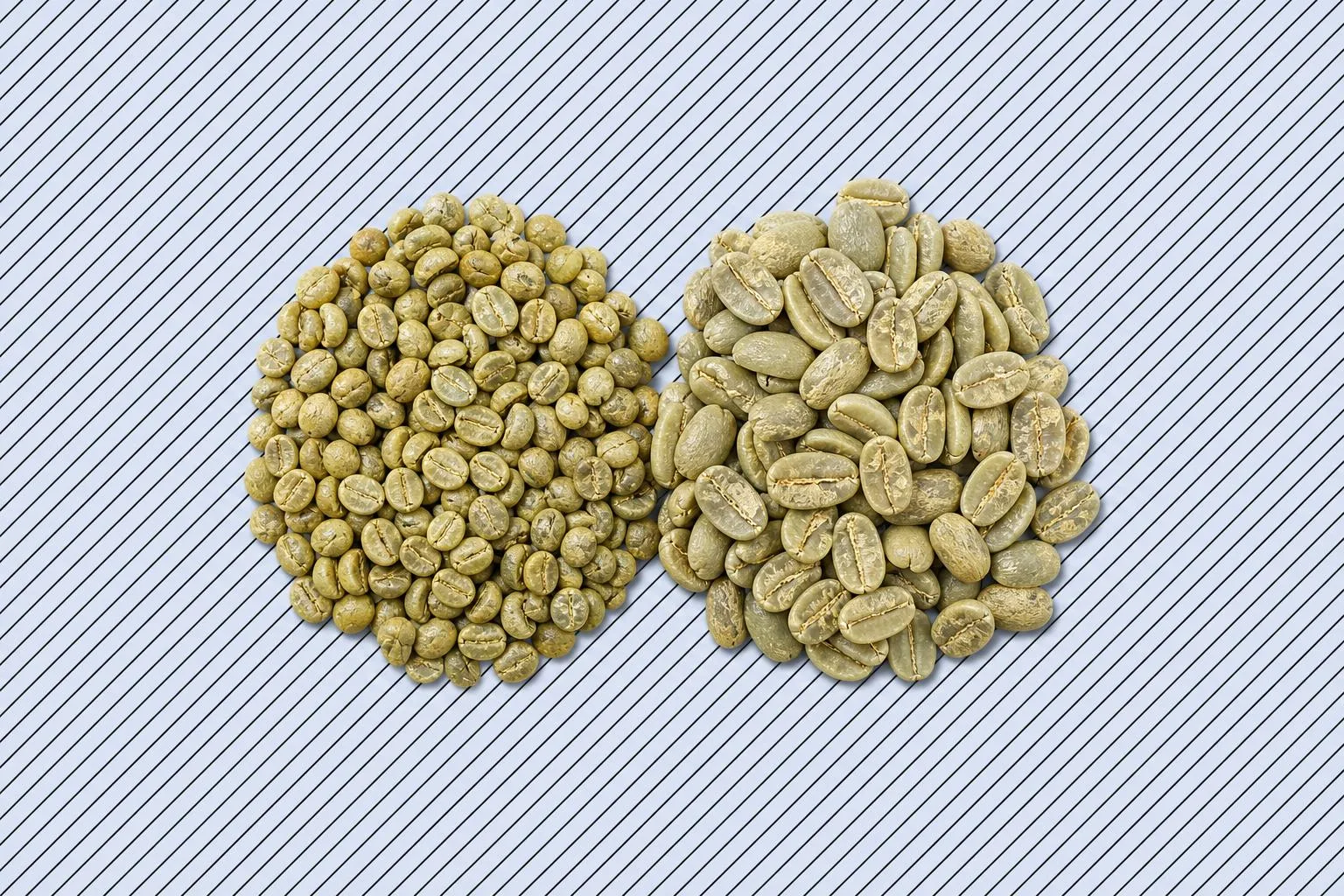
Arabica and robusta are two different species of coffee plant, and almost everything on a coffee bag follows from which one is inside. Arabica (the species Coffea arabica) is sweeter, more acidic and more aromatic. Robusta (the species Coffea canephora) is more bitter, far more caffeinated, cheaper and much tougher to grow.
That is the short answer. The longer one is more interesting, because the two plants have different genetics, different chemistry and different jobs, and once you see why they differ you can read almost any label with confidence.
Two species from one family tree
The genus Coffea holds somewhere between 120 and 130 recognised species, but only two matter commercially. Arabica makes up roughly 60% of world production and robusta the other 40%, with everything else a botanical footnote.
The two are not cousins so much as parent and child. Arabica is an allotetraploid: it carries four sets of eleven chromosomes, 44 in total, where most coffee species carry 22.
That is because arabica is itself a natural hybrid. It arose from a cross between Coffea canephora, which is robusta, and another species called Coffea eugenioides.
So arabica is, quite literally, descended from robusta. It is native to the highlands of south-western Ethiopia, and it is the only self-pollinating species in the genus, which is part of why its wild heirloom types stayed so stable.
Robusta is the simpler, older plant: a diploid with 22 chromosomes, native to the forests of central and western Africa. That self-pollinating habit also means arabica has a narrow gene pool, which is why a single disease can sweep through whole regions, while robusta's cross-pollinating diversity gives it more natural defences. Understanding this split is the key to everything that follows in the cup.
Caffeine: robusta's headline number
If you want the most caffeine per cup, robusta wins outright. By dry weight robusta runs 2.2% to 2.7% caffeine, against arabica's 1.2% to 1.5%, so roughly double.
That gap carries through to the cup. A robusta brew can deliver 170 to 200 mg of caffeine where the same serving of arabica gives 80 to 100 mg.
The reason is defensive, not for your benefit. Caffeine is a natural insecticide the plant produces to protect itself, and robusta, growing hot and low where pests thrive, makes much more of it.
Caffeine also happens to be bitter. That is one thread in robusta's harsher reputation, though as we will see it is not the main one.
It is worth being honest about the size of that gap in practice: brewing method, dose and grind move caffeine far more than species does within a single cup. A strong arabica espresso can out-punch a weak robusta drip. If a cheap blend promises a jolt, robusta is usually doing the lifting, but the fix for more caffeine is to brew stronger, not to chase the species with the bigger number.
What ends up in the cup
The flavour difference comes down to sugars, acids and oils. Arabica carries more sugar, 6% to 9% by weight against robusta's 3% to 7%, which gives it more raw material for sweetness and for the pleasant acidity specialty drinkers prize.
That acidity is the point of a great arabica. A washed Ethiopian or a Kenyan can taste of lemon, blackcurrant or bergamot, bright and clean, which is almost impossible to coax out of robusta.
Then there are chlorogenic acids, or CGA. Robusta holds 7% to 10% of them against arabica's 5.5% to 8%, and this matters more than people think.
CGA is a polyphenol antioxidant that breaks down during roasting into caffeic acid and quinic acid, both of which taste bitter and astringent. Most of coffee's bitterness traces to these acids and to how dark you roast, not to caffeine itself.
So robusta tastes harsher mainly because it is loaded with CGA, and because it is often roasted dark to tame its rougher edges. Arabica's lower CGA and higher sugar is why it can stay sweet and transparent at a light roast. It is also why a washed arabica can feel almost tea-like where robusta leans woody and flat.
Where they grow, and why it matters
The two plants want opposite climates, and that shapes price and supply. Arabica prefers 15 to 24 °C, a temperate high-altitude climate with cool nights, warm days, well-drained soil and steady rainfall.
Robusta is happy at 24 to 30 °C, lower down, in hotter and more humid ground where arabica would struggle. That alone makes robusta cheaper to produce.
Robusta is also far more disease-resistant, above all against coffee leaf rust, the fungus Hemileia vastatrix that has repeatedly wrecked arabica harvests across the world. Robusta shrugs most of it off.
This is why robusta is growing strategically important as the climate warms. Arabica's comfort zone is shrinking uphill, and robusta tolerates the heat and disease pressure that arabica increasingly cannot.
The altitude point also explains the flavour, not just the economics: slow ripening at height lets sugars and acids build in the cherry, which is exactly what a cheaper, lower-grown robusta cannot do. All of it lands on price. On the commodity market arabica trades at a meaningful premium, and at retail you often see arabica running two to three times the price of robusta. You can watch those two futures move day by day on the market page.
The hybrids that blur the line
The neat species split gets muddy, because breeders have spent a century mixing the two on purpose. The pivot was the Timor Hybrid, a spontaneous arabica-robusta cross discovered in 1927.
Its value was robusta's rust resistance carried inside an arabica plant. Breeders crossed it back into arabica to create hardy new varieties that could survive leaf rust.
Catimor and Sarchimor are the famous results. Both carry robusta genes, which is why much of the arabica grown across Asia and Latin America is technically part robusta by ancestry.
The trade-off is cup quality. These rust-fighters keep farms alive but have historically cost some of arabica's finesse, which is why specialty buyers often prize the older, purer varieties.
That said, the gap is narrowing, as newer selections are bred specifically to keep the resistance while clawing back sweetness and clarity. The honest tension, resilience against flavour, is the same arabica-versus-robusta story playing out inside a single plant. The two species are poles, and most of the world's coffee sits somewhere on the line between them.
So is arabica actually better?
For flavour, acidity and aroma, yes. Nearly all specialty coffee is arabica, and every coffee in our catalogue is, because that is where sweetness and complexity live.
But "better" needs a caveat. Top-quality robusta, sold as "fine robusta", is genuinely very good, and poorly grown or carelessly processed arabica can taste worse than well-made robusta.
Robusta also does one job arabica cannot match. Its higher oil and CGA content produces a thicker, more persistent crema when pulled as espresso, which is why many traditional Italian blends add a slug of robusta for body and foam.
So the fair verdict is: arabica wins the flavour contest almost every time, robusta wins on caffeine, crema, hardiness and price, and quality matters more than species at the margins.
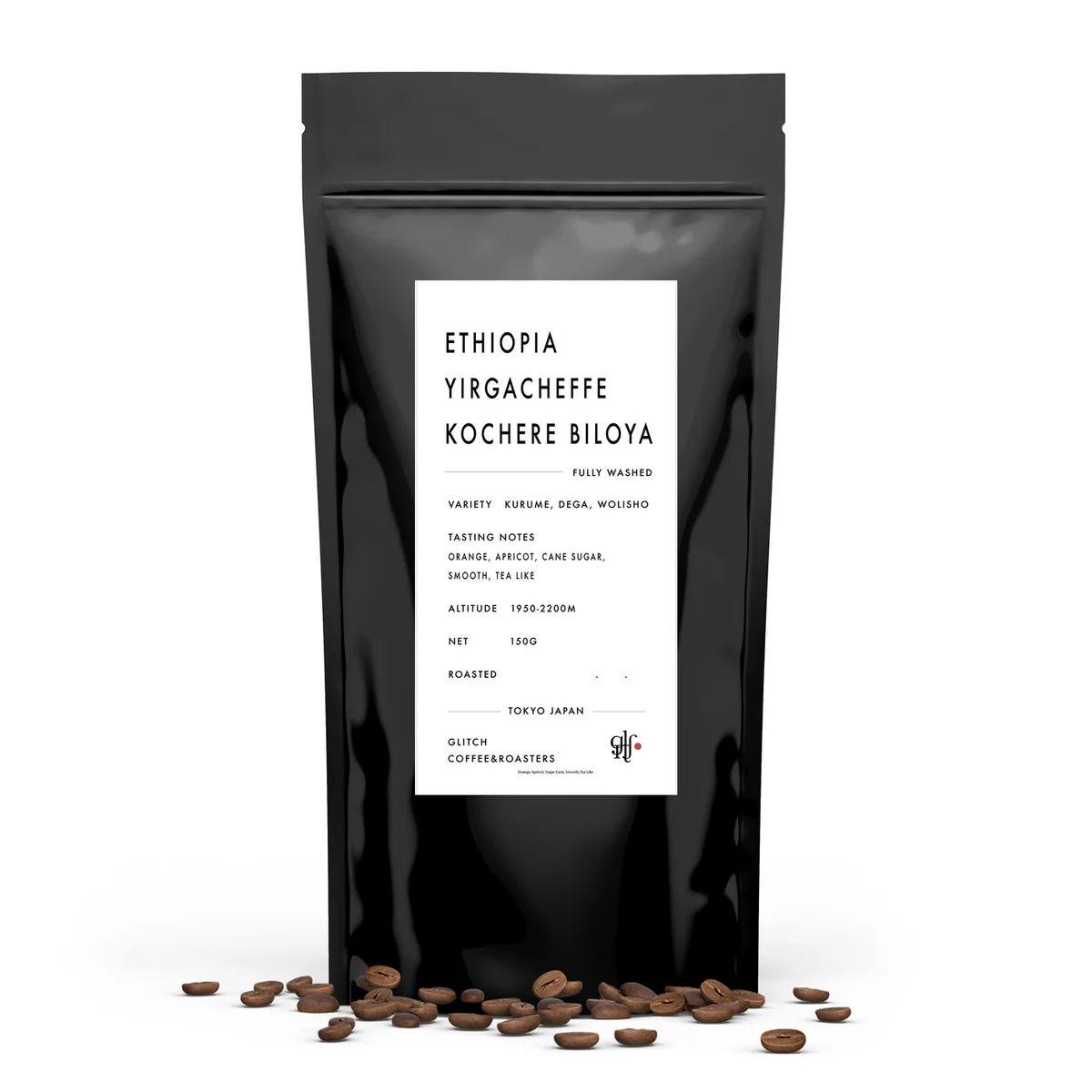
If you want to taste what good arabica actually delivers, start with a bright washed coffee. This Ethiopian from Glitch is clean, floral and citrusy, exactly the acidity and perfume robusta cannot reach, and it is well-priced:
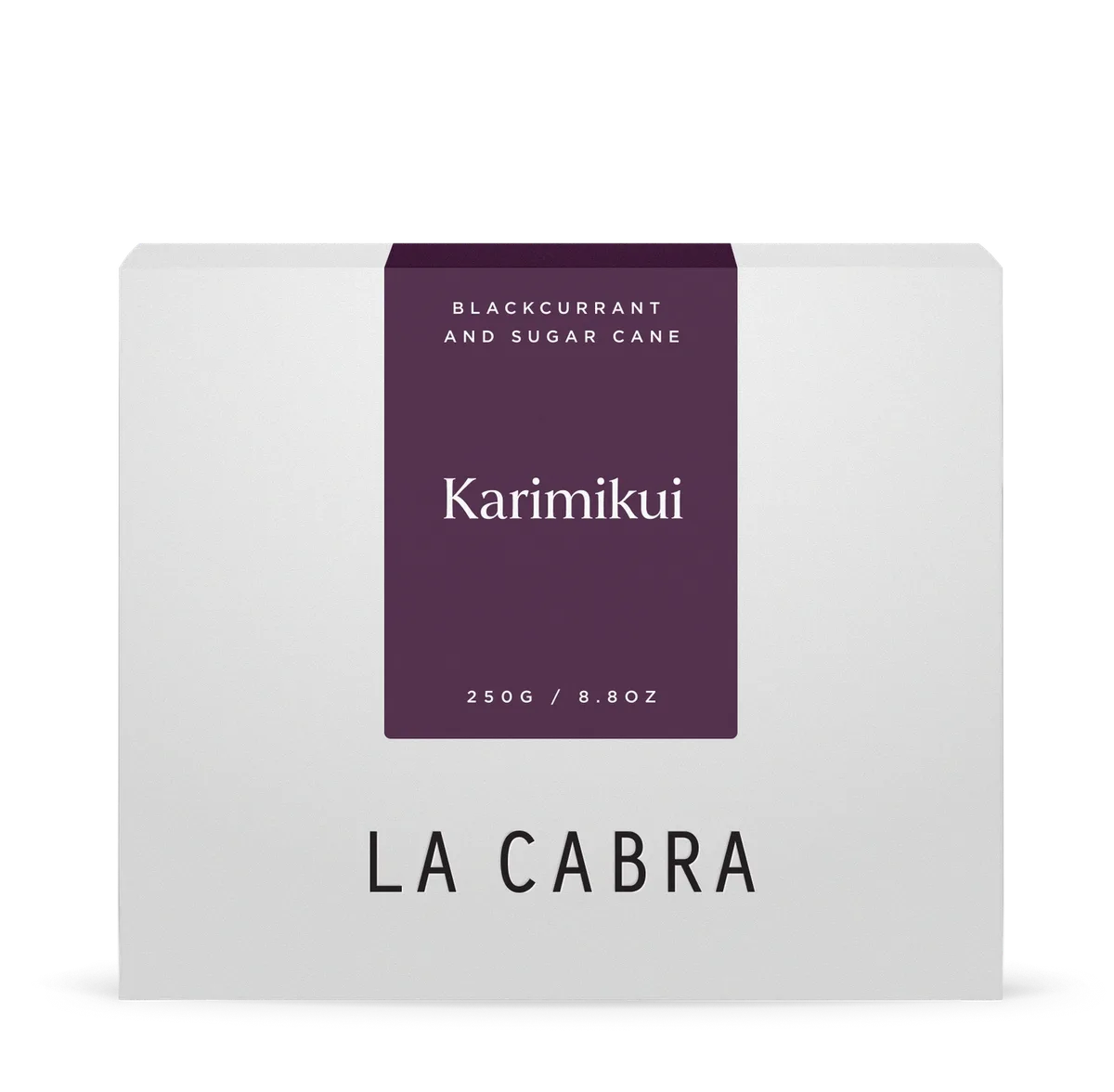
For the other classic arabica signature, blackcurrant and structured acidity, a Kenyan washed coffee shows how far the species can travel from robusta's flat bitterness.
What to do with this
When a bag says "100% arabica", it is telling you to expect sweetness and acidity, not strength. When a cheap tin or instant jar stays quiet on species, assume robusta is in the mix for caffeine and cost.
Taste both if you can, and notice the texture and the finish rather than just the kick. A robusta-heavy blend tends to feel heavier and flatter, while a good arabica lingers sweet and bright after the sip.
Then browse by what you actually want: start with the origins or the flavours you like, and let the plant behind them follow.