What coffee beans should I buy for pour over? A practical buying guide
Pour over hides nothing, so buy fresh, high-grown, light-to-medium single origins with clean processing. Here is what to look for, and a few in-stock bags to start with.
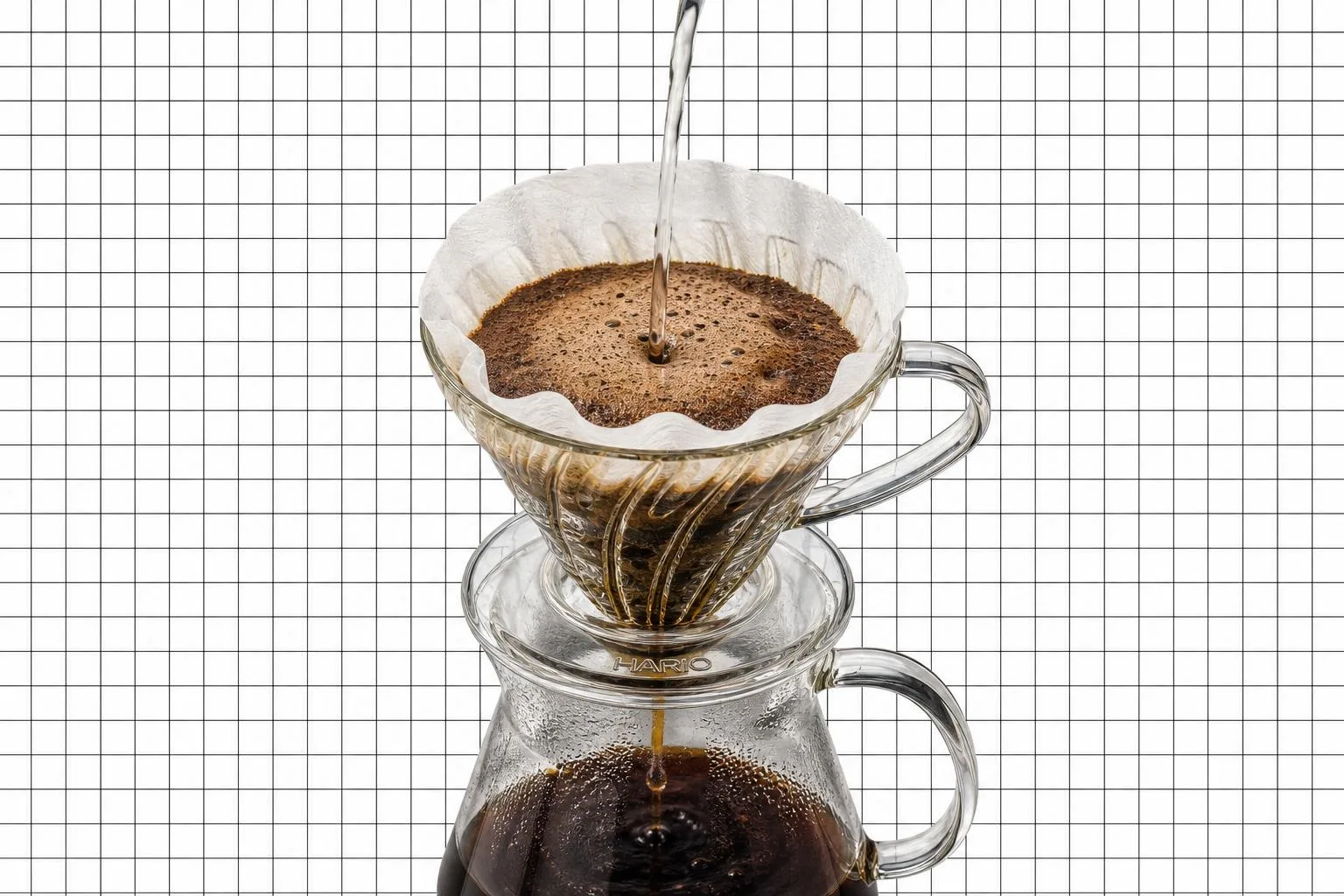
The short answer: buy a fresh, light-to-medium single origin from a high-altitude origin, processed cleanly, with a roast date on the bag. Pour over uses a paper filter that strips out oils and fines, so the cup is transparent. It rewards clarity and nuance, which is the opposite of what a heavy espresso blend is built for.
That means your shopping priorities flip. For espresso you often want body, sweetness and a roast that forgives small errors. For filter you want brightness, aroma and a bean that has something interesting to say when nothing is hiding it.
This guide walks through roast level, origin, processing and freshness, then points at a few in-stock bags. Prices and stock move, so treat the picks as examples of a type, not a fixed shopping list.
Start with roast level
Roast level is the single biggest lever. Lighter roasts keep more of the acidity and aromatic compounds that make a bean taste like its origin, and the paper filter lets all of that through.
Dark roasts mute the subtler notes. The roast flavour, those cocoa and toast tones, starts to sit on top of the fruit and flowers. On a method this transparent, that is a waste of a good bean.
Aim for light to medium-light. Most specialty roasters label filter lots this way on purpose, and many of the best filter coffees are roasted lighter than you would ever want for espresso.
There is a real trade-off. Lighter roasts are denser and can taste flat or sour if you under-extract, so they ask for slightly hotter water and a touch finer grind. If that sounds fiddly, a medium roast is the forgiving middle.
The honest line: if you own a decent grinder and a scale, go lighter and let the bean sing. If you are brewing by eye on a rushed morning, medium is kinder.
Choose an origin with a clear voice
Pour over flatters origins that have a distinctive fingerprint, because you will actually taste it. Four origins are the classic starting points, and they split into two camps.
Ethiopia is the floral, citrus and tea-like camp, often with bergamot or blueberry depending on the lot. Kenya is the bold one: blackcurrant and a structured, almost wine-like acidity that fills the cup.
Colombia sits in the middle, red fruit and caramel with dependable balance, which makes it the friendliest first filter coffee. Guatemala leans chocolate, gentle spice and citrus, a bit more grounded.
Altitude is the quiet reason these origins shine. Beans grown above roughly 1,500 metres can be 10 to 20 percent denser than low-grown beans, and the slow growth lets organic acids like citric and malic build up. That is where bright, fruit-forward flavour comes from.
Altitude only gives potential, though. Soil, variety, processing and the roast all decide whether it lands in the cup, so do not treat a big elevation number on the bag as a guarantee. Browse the full origins list if you want to range wider than the big four.
Read the processing method
How the fruit was removed from the bean shapes the cup as much as the origin does. There are three you will meet most often on filter bags.
Washed coffees have all their fruit stripped before drying. They taste clean, bright and precise, the most transparent window onto the bean and the origin. For a first pour over, washed is the safe, rewarding default.
Natural coffees dry inside the whole cherry, which pushes big, jammy fruit and sometimes a boozy edge into the cup. They are louder and more divisive, wonderful when clean, muddy when not.
Honey process sits between the two: the skin comes off but the sticky mucilage stays on to dry, giving syrupy sweetness and softer acidity. It is a lovely middle ground for anyone who finds washed too sharp and natural too wild.
Newer styles like anaerobic fermentation push flavour further still, often into intense tropical or funky territory. They are a treat, but start with washed and natural first so you have a baseline to judge them against.
Freshness is not optional
Buy whole beans with a roast date printed on the bag, and grind just before you brew. A reliable roaster lists origin, process and roast date; if a bag hides all three, that tells you something.
Here is the mechanism. Freshly roasted coffee is full of trapped carbon dioxide, and it releases this gas slowly over days, a process called degassing. That is why specialty bags have a one-way valve.
Brew too fresh and the escaping CO2 disrupts your pour, causing uneven extraction and a thin, sour cup. The gas needs a little time to settle before the water can do clean work.
For filter, rest the beans a minimum of 5 to 7 days after roasting. Documented sweet spots land roughly in the 5 to 14 day window, with most cups best in the middle of that range, a bit earlier than espresso wants.
The other end matters too. After about three to six weeks, depending on storage, the aromatics start to fade from oxidation rather than too much gas. Buy what you will drink in a month, keep it sealed and cool, and you stay inside the good window.
Match your gear to the bean
Great beans still need a sensible brew. The widely used filter standard is around 60 grams of coffee per litre of water, roughly a 1:16.7 ratio, and most people brew somewhere between 1:15 and 1:17.
Roast level nudges that number. Dense light roasts often taste better with a touch more coffee, nearer 1:15, while darker roasts can go to 1:17 to avoid harshness. If you want the numbers done for you, the brew calculator will scale a recipe to your dose.
Grind matters just as much. Pour over wants medium-fine, roughly the texture of fine sea salt: finer than table sugar, coarser than espresso.
If the cup tastes sour and thin, grind finer or use hotter water. If it tastes bitter and dry, grind coarser. That one dial fixes most problems before you blame the beans.
A burr grinder is the upgrade that matters most here, because even grounds are what let a transparent method stay clean. Pre-ground coffee goes stale fast and brews unevenly, both of which show up badly on filter.
Three in-stock bags to start with
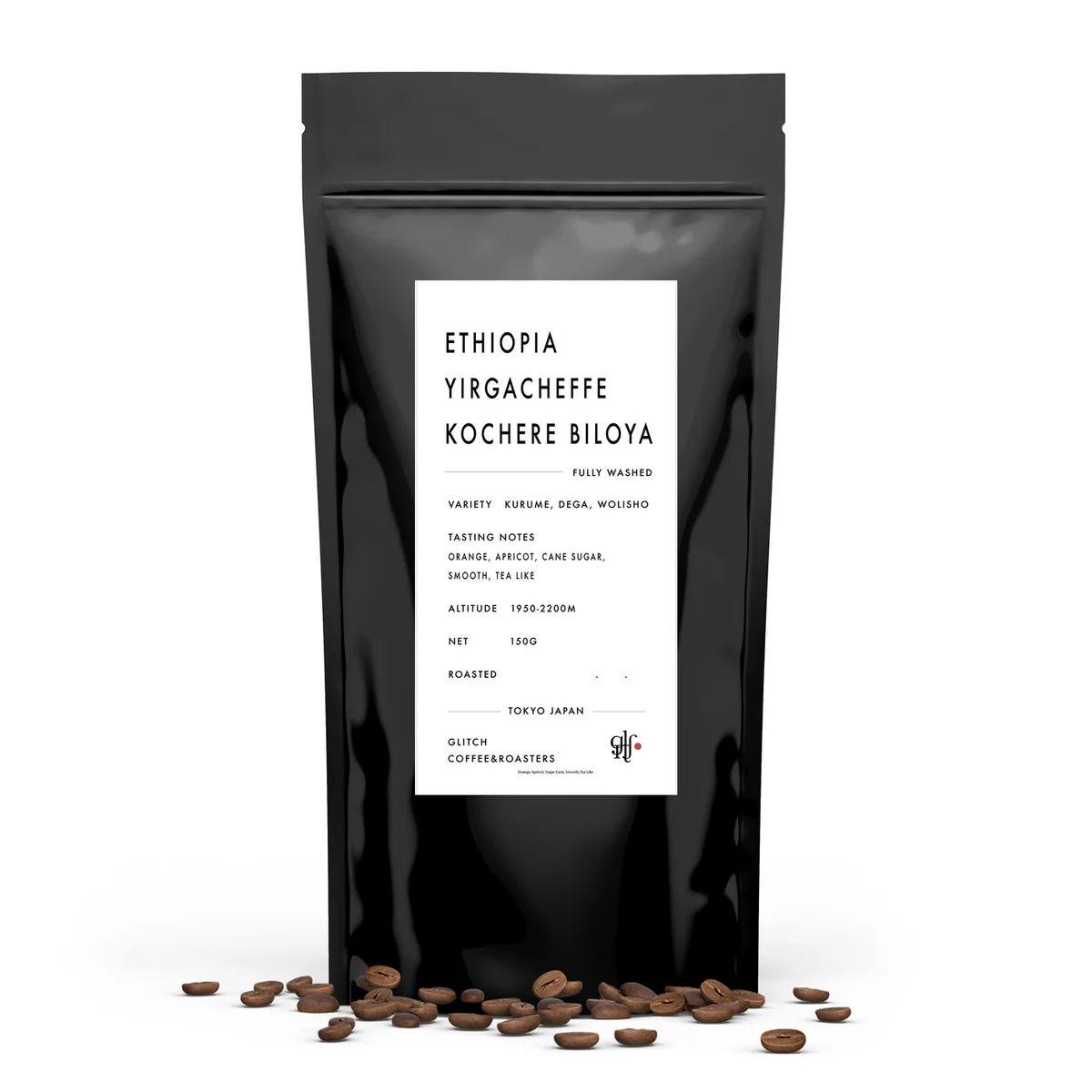
For a floral, tea-like introduction, a washed Ethiopian is hard to beat. This Yirgacheffe is light, citrussy and gently floral, the textbook example of what pour over does well, and it is unusually affordable for the quality.
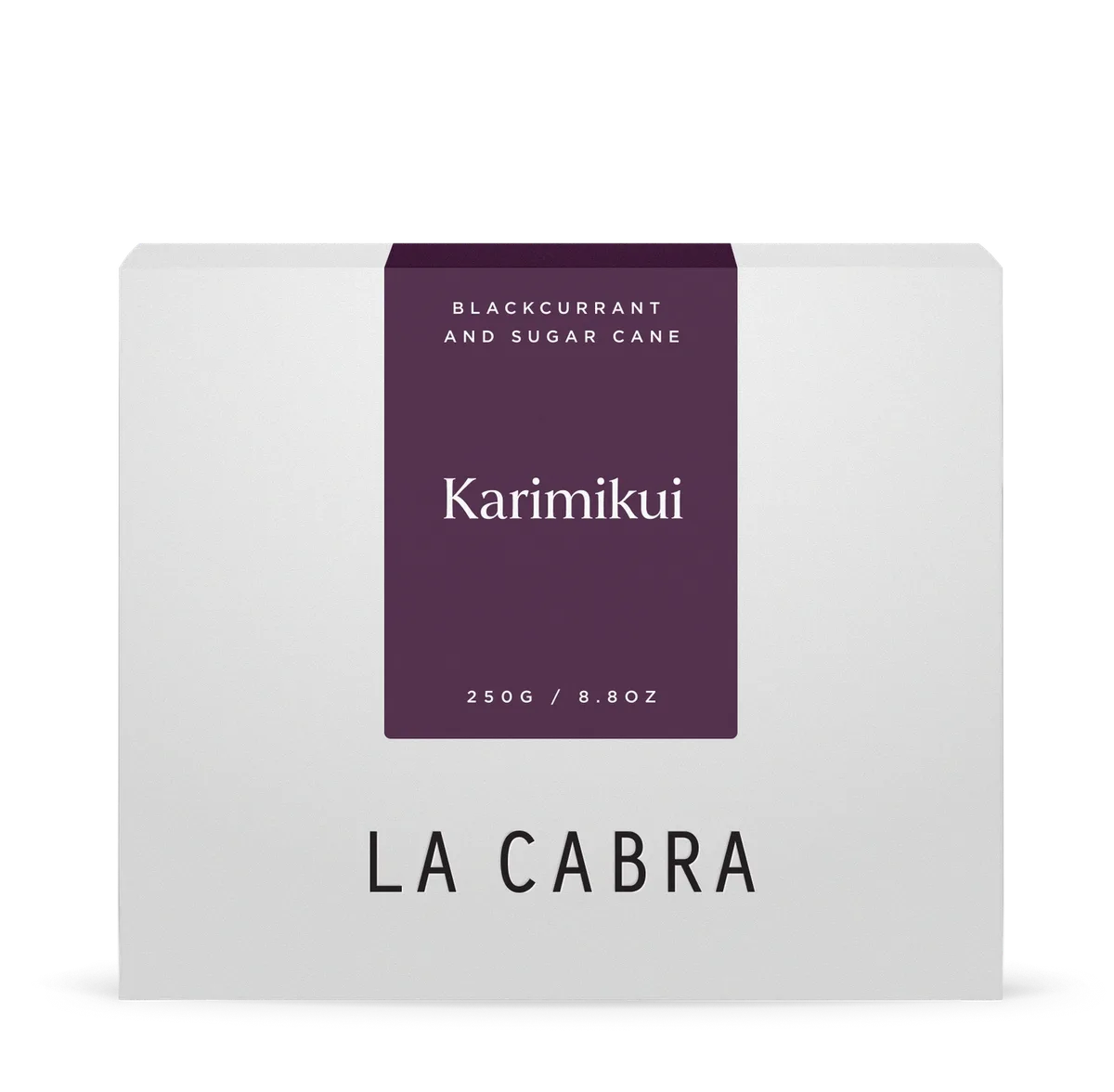
If you want the bold, fruit-driven end, go Kenyan. This washed lot leans into the blackcurrant and berry that the country is famous for, with the bright, structured acidity that makes a Kenyan cup feel so vivid.
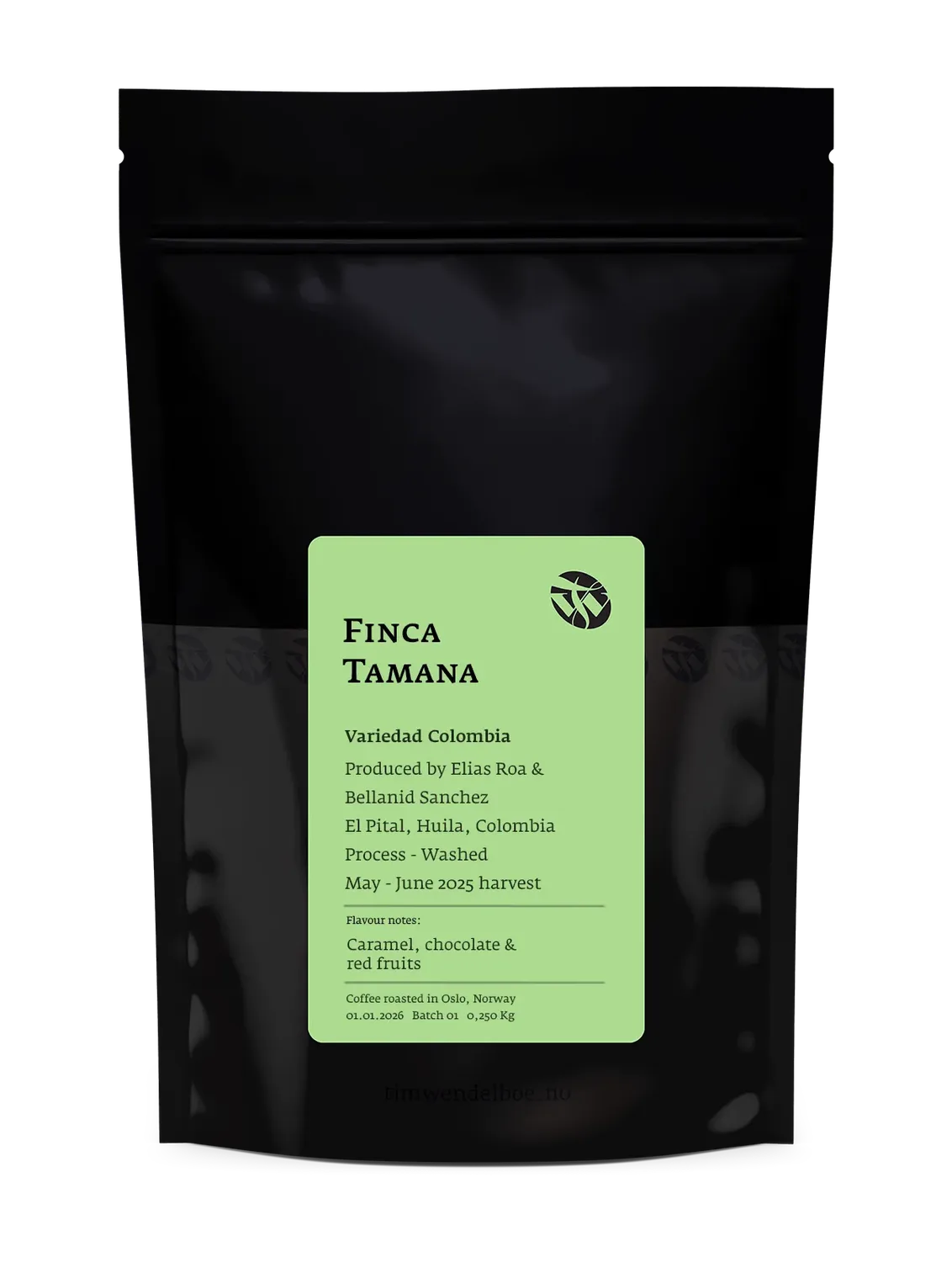
For an everyday, balanced bag that is easy to brew and easy on the wallet, a washed Colombian is the dependable pick. Expect gentle chocolate and nut with a lift of citrus, forgiving if your technique is still settling.
All three are light roasts, single origins, and cleanly processed, exactly the profile this method rewards. Stock and prices change, so if one has sold through, the type matters more than the specific bag.
Want the catalogue to narrow it for you? The decision helper filters by origin, process and flavour, or you can scan every filter-friendly bag in the coffees list.
Put it together
If you remember one thing, make it this: fresh, light-to-medium, high-grown, cleanly processed, single origin. That combination gives the paper filter something worth showing.
Start washed, from Ethiopia, Kenya or Colombia, rested at least a week past roast. Brew it around 1:16 at a medium-fine grind, taste, and move the grind one notch to fix sour or bitter.
Once you know what a clean washed cup tastes like, branch out: try a natural for jammy fruit, a honey for syrupy sweetness, or a different origin from the flavours index. The whole point of pour over is that you will taste the difference.