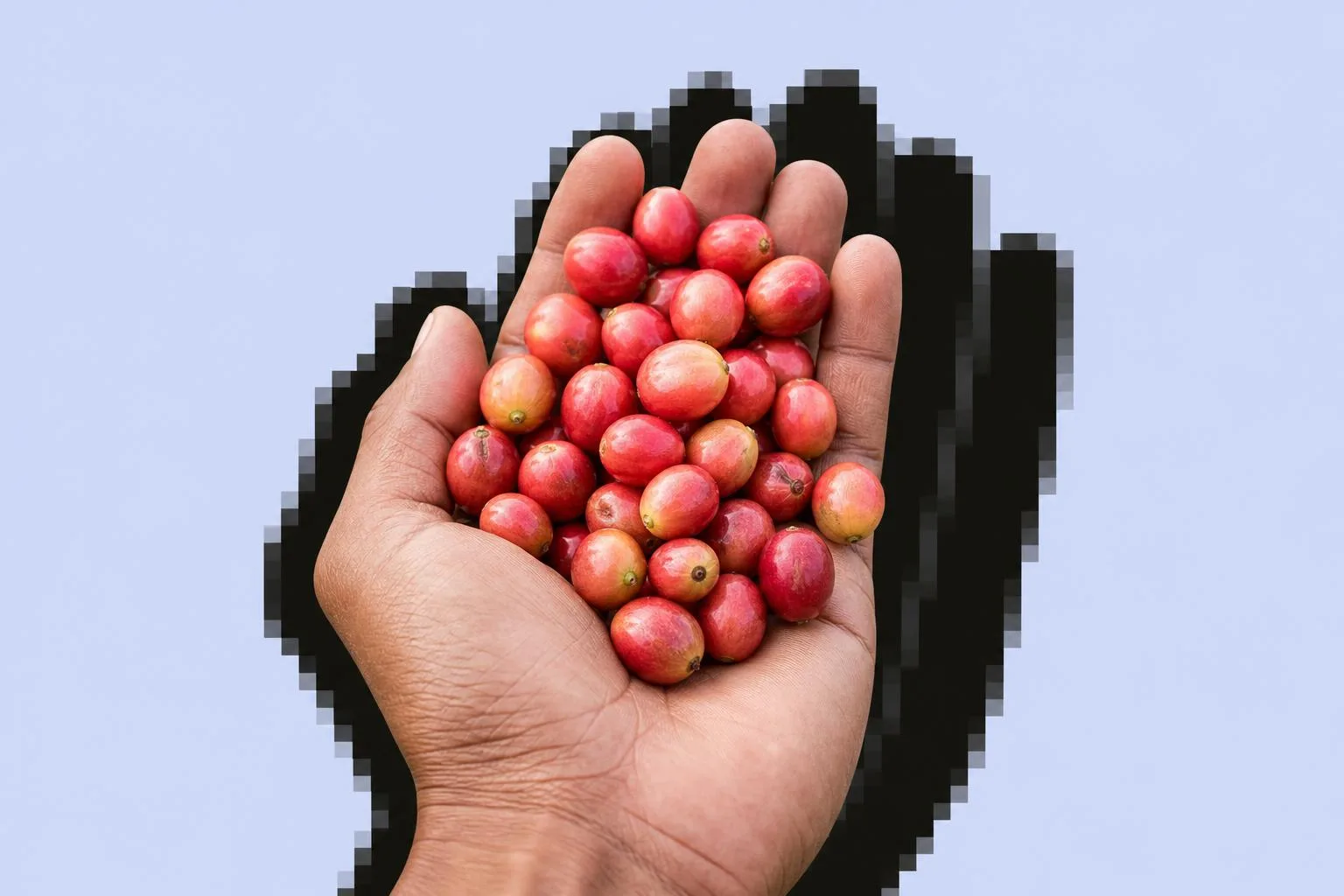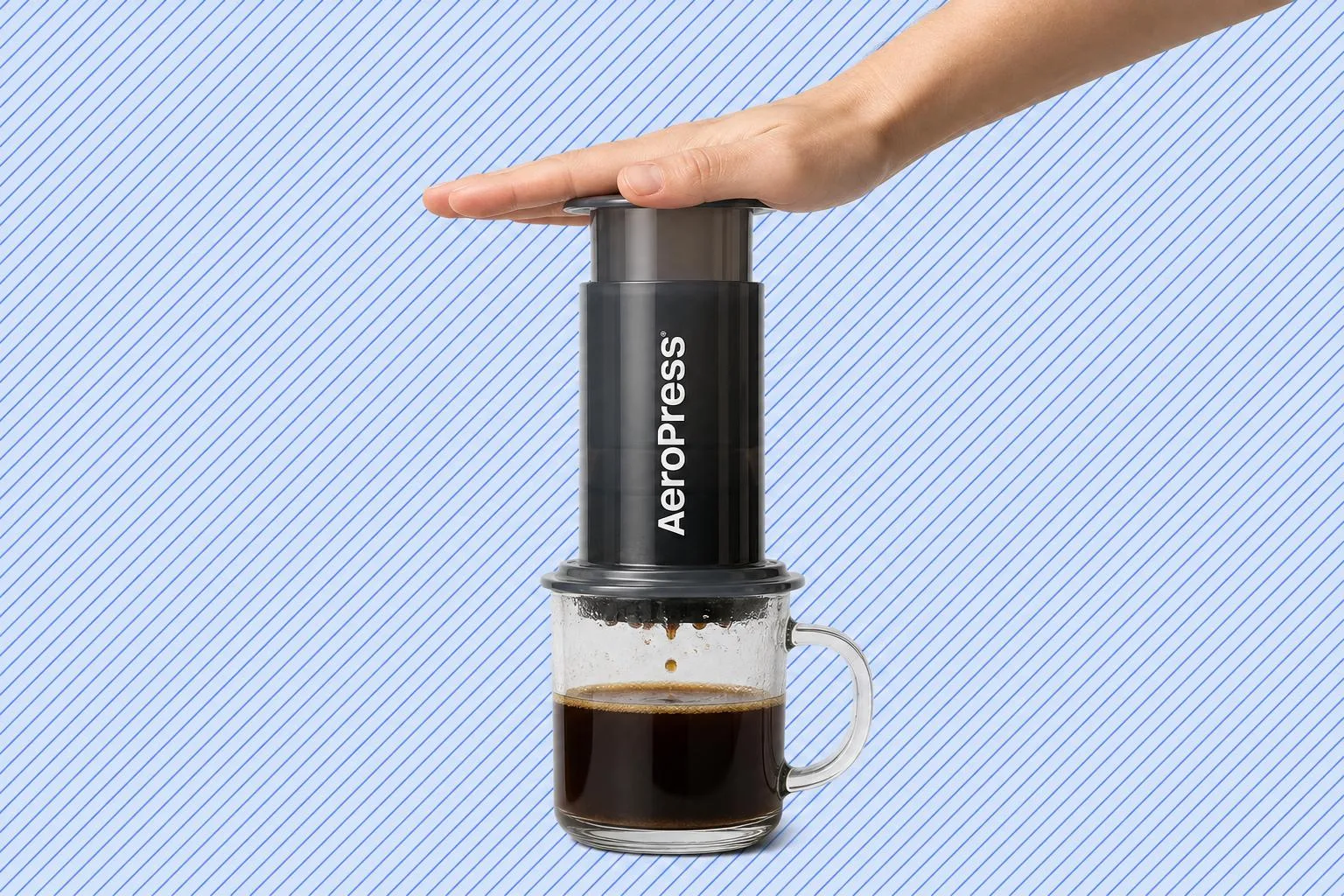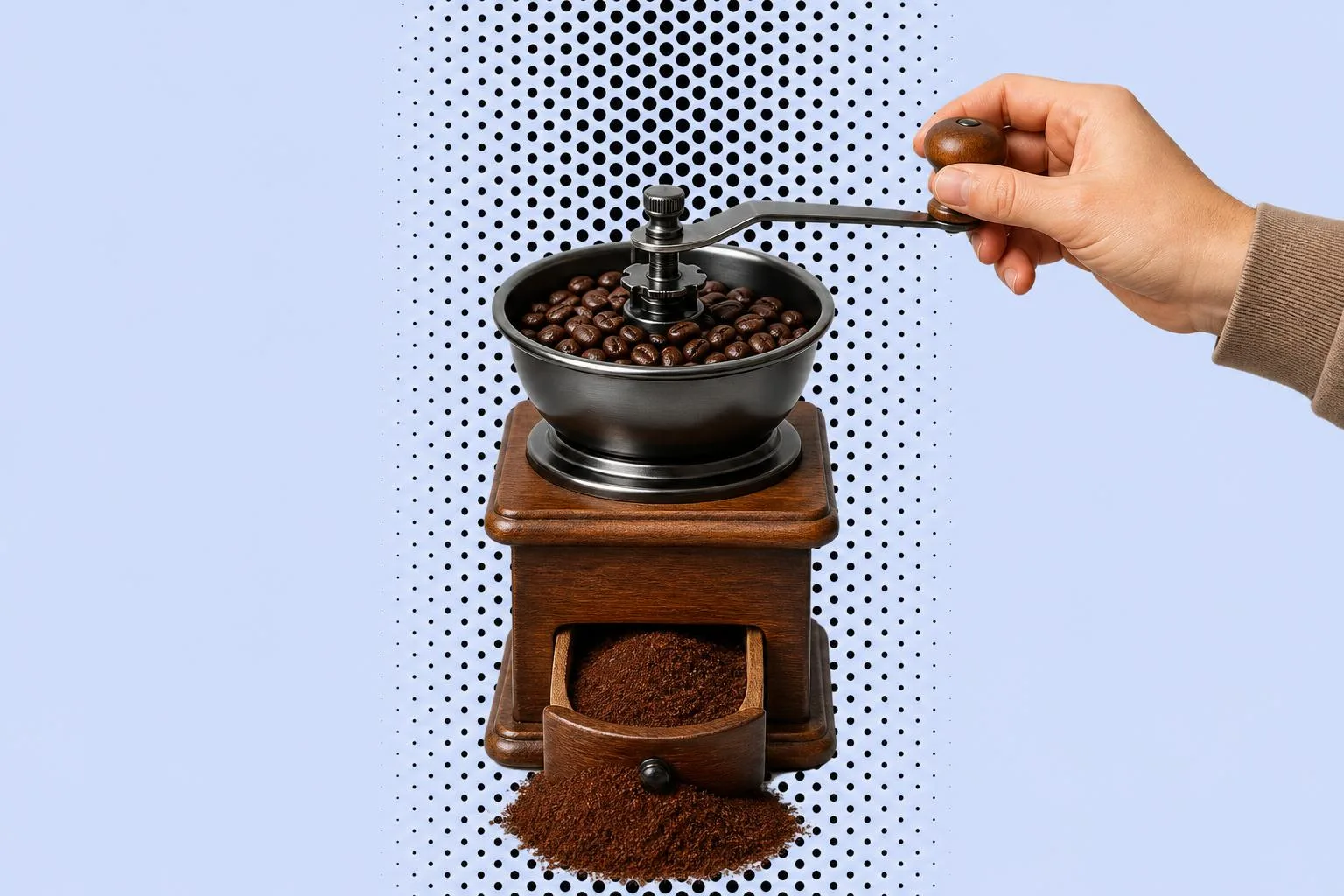
If you care about how your coffee tastes, buy whole bean and grind it yourself. Fresh-ground coffee holds its aroma, its sweetness and its brightness far longer than pre-ground, and a single bag of beans can serve every brew method you own.
That is the honest headline. But pre-ground is not ruined coffee, and there are real situations where it is the sensible choice. Here is what changes in the cup, and how to decide.
What grinding actually does
A whole bean is a sealed package. Only its outer layer meets the air, so it stales slowly. The moment you grind it, you shatter that structure into hundreds of tiny particles, each exposing fresh, reactive surfaces to oxygen at once.
The scale is startling: grinding multiplies the surface area by 500 to 1,000 times. Oxidation, evaporation and staling go from a crawl to a sprint, and ground coffee can lose its edge in minutes to hours.
There is a second, less obvious loss. Roasted coffee traps carbon dioxide, and that gas acts as a carrier for the volatile aroma compounds you actually smell and taste. As the CO2 escapes, it drags those aromatics out with it.
How much CO2 is in there? A peer-reviewed study measured initial contents of 4.0 to 8.6 mg per gram of coffee, averaging 5.7 mg/g. That is the reservoir of aroma the bean is slowly releasing from the day it is roasted.
Grinding blows off a huge slug of that gas immediately. Measured losses in the first few minutes run from 26 to 30% for a coarse grind up to 45 to 59% for a fine one, with some studies putting it even higher. Pre-ground coffee did that days or weeks ago, in a warehouse, before you ever opened the bag.
The freshness numbers, plainly
Stored well, cool, dry and in a sealed bag with a one-way valve, whole beans hold their peak flavour for about two to four weeks after roasting. Ground coffee stales roughly 15 times faster.
That multiplier is worth sitting with. A bag of pre-ground that has sat on a shelf for a month is, chemically, about where a whole-bean bag would be more than a year after roasting.
Staling is not only oxygen. Three mechanisms overlap: lipid oxidation, which turns the bean's oils rancid; CO2 loss, which carries aroma away; and moisture absorption, which speeds everything up. Roasted coffee is 10 to 17% oil by weight, and grinding lays all of it bare to the air at once.
Packaging changes the maths too. Research reviewed by the Specialty Coffee Association found that vacuum-packed whole bean coffee stales at roughly one-fifth the rate of coffee packed in ordinary air. Sealed whole beans are the slowest to fade; loose grounds in a torn-open bag are the fastest.
Grind control: one bag, every brew
The second big win has nothing to do with freshness. It is control. Different brew methods need very different grind sizes, and pre-ground locks you into exactly one.
A grind fine enough for espresso will over-extract and turn bitter in a French press. A grind coarse enough for a French press will taste thin and sour pulled as espresso. Whole bean lets you dial the grind to the method on the day; a single "medium" bag is a compromise for all of them and ideal for none.
Grind size also controls how the coffee behaves in the cup. Finer grinds degas faster, which is why fresh-ground coffee blooms, puffing up when hot water hits it, and why stale pre-ground barely reacts. That bloom is the visible sign of the aroma you are about to drink.
If you use a pour over one morning and a French press the next, whole bean is not a luxury. It is the only way to get both right, and it means you never buy two separate bags to cover two machines.
When pre-ground is a fair choice
None of this means ground coffee is undrinkable. Buy a good bag, keep it sealed in an airtight canister, and drink it reasonably quickly, and you can still make a genuinely good cup.
Pre-ground is the honest answer when a grinder will not happen: a shared office, a holiday rental, a family member who will never fuss with a machine, or a budget that has to go on beans first. A grinder you resent using helps no one.
If pre-ground is your reality, tilt the odds. Buy smaller bags more often rather than one big one, keep them sealed between uses, and store them cool, dark and dry. That meaningfully slows the damage even if it cannot stop it.
One more nuance: pre-ground coffee has already done most of its degassing, so it will not bloom and does not need resting. What it needs is to be used soon, ideally within a couple of weeks of opening.
What to buy first
If you are moving from pre-ground to whole bean, the grinder matters more than the beans. A burr grinder is the single highest-impact upgrade in home coffee, and roughly 100 to 150 US dollars buys a meaningfully better cup for years. Spend there before you chase rare lots.
Then buy beans that actually reward the effort. Light-roast, aromatic coffees have the most delicate top notes to lose, so they are where fresh grinding shows off hardest. Prices below move and stock turns over, so treat these as examples of the type, not a fixed shortlist; our decide tool can match your kit if any have sold out.
For a low-risk first bag, this natural Ethiopia is floral and forgiving, and at its price it is an easy way to taste what fresh grinding does to aroma.
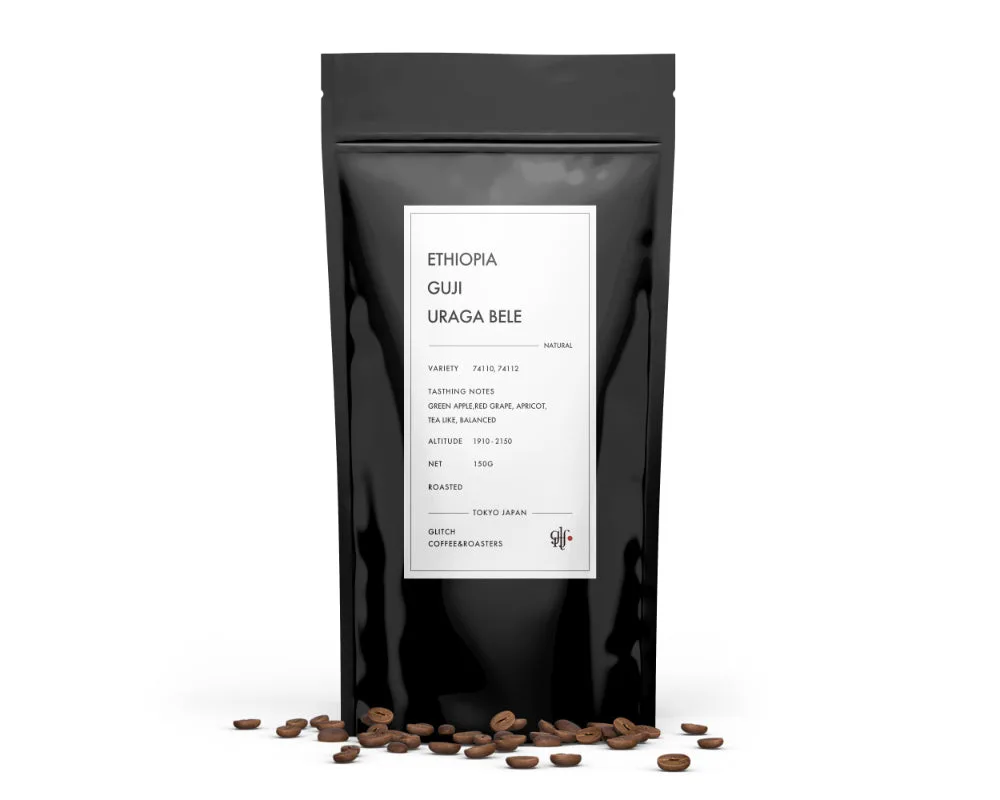
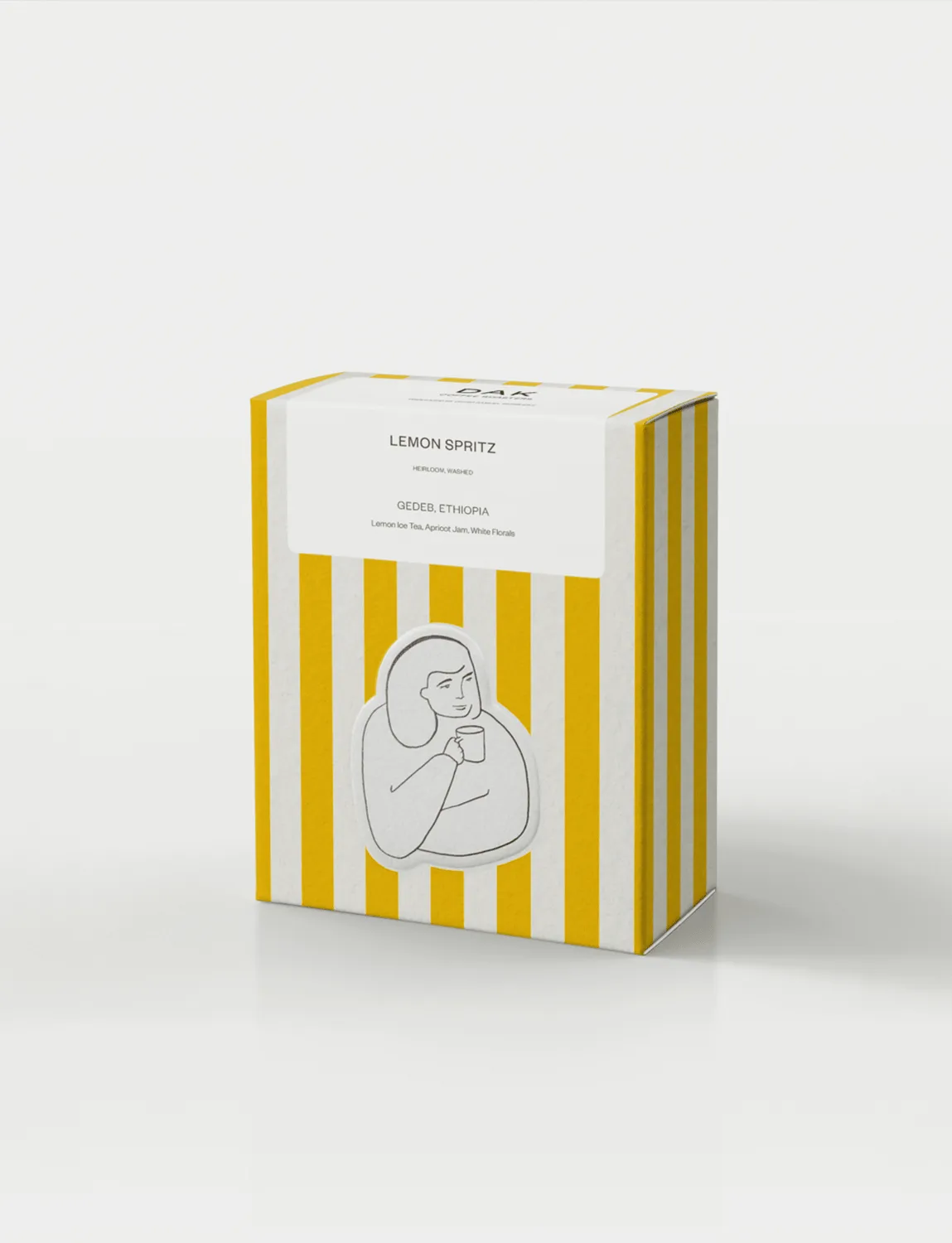
If you brew filter and want the clarity of a washed coffee, this Ethiopian is bright with citrus and blossom, exactly the kind of cup that goes flat fast once ground and sings when it is fresh.
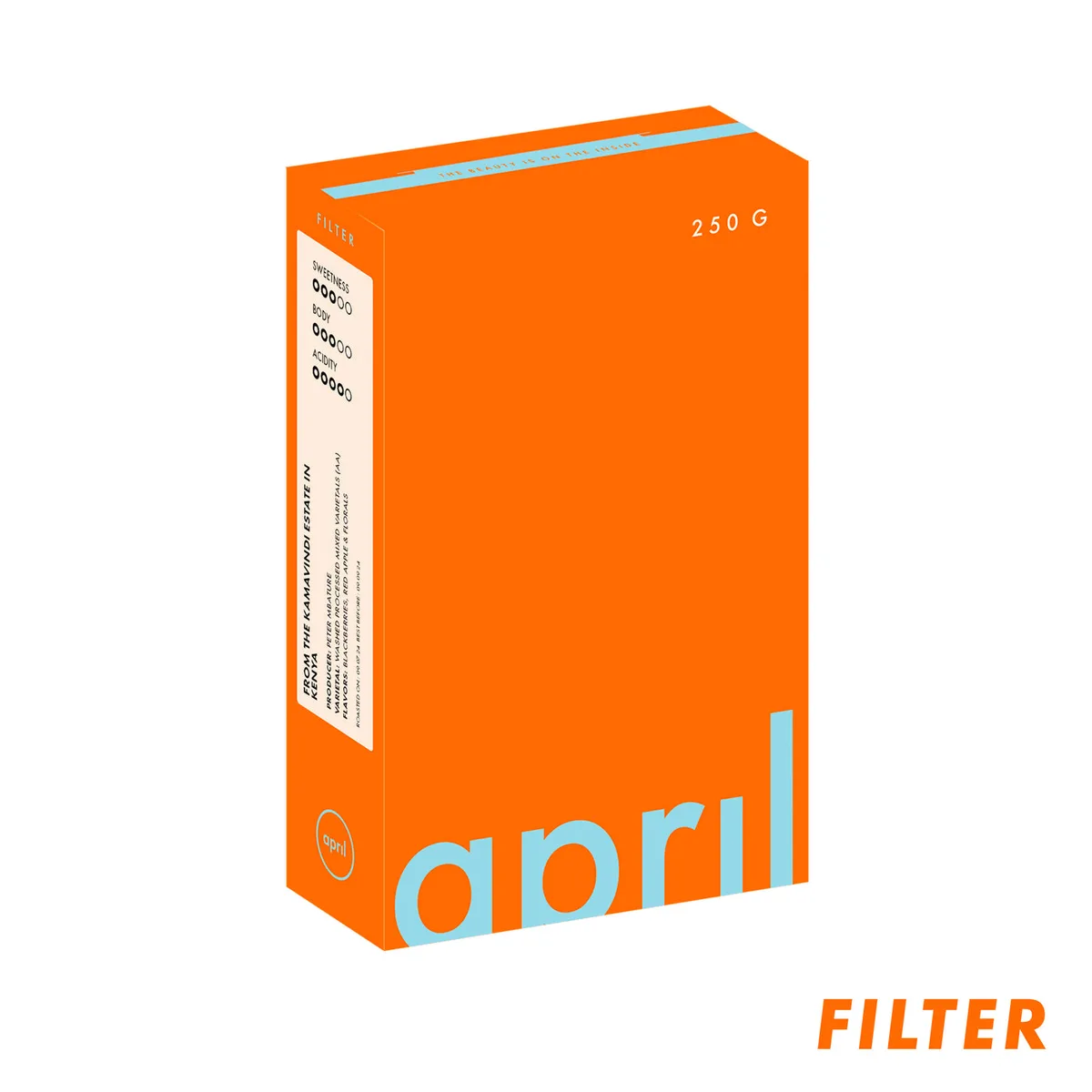
And if you want structure over prettiness, a washed Kenya built on SL28 delivers deep blackcurrant and berry with a firm backbone. It is a coffee whose acidity is the whole point, and stale grounds are where that acidity dies first.
Storage rules for both forms
Whether you grind or not, the same four enemies apply. Oxygen is the main one, but moisture activates chemical reactions in the bean, heat speeds every breakdown up, and light damages aroma compounds directly.
So keep coffee cool, dry, dark and airtight. Skip the clear jar on a sunny counter and the cupboard above the oven. An opaque, sealed container away from heat is doing more for your cup than most people realise.
A common mistake is the fridge. It is cold, but it is also damp and full of odours, and every time you open the container warm air condenses on the beans. A dark cupboard at room temperature beats it easily.
One detail whole-bean buyers should know: freshly roasted beans need a short rest before brewing, because they are still degassing. Darker, more porous roasts can be ready in three to four days, while very light, dense high-altitude beans may want seven to ten. If a light roast tastes gassy and hollow, give it a few more days.
The verdict
For flavour, whole bean plus a decent burr grinder wins clearly, and it is not close. You keep the aroma, you get to match the grind to your brew method, and one bag serves everything.
Pre-ground earns its place only when a grinder genuinely is not workable, and even then, small bags bought often and sealed tight will carry you a long way. Start with the grinder, buy fresh light roasts, store them properly, and dial your recipe in with the brew calculator. That order of operations is where the biggest jump in your cup is hiding.