The short answer: match the grind to how long the water and coffee stay in contact. Fast methods need a fine grind, slow methods need a coarse one.
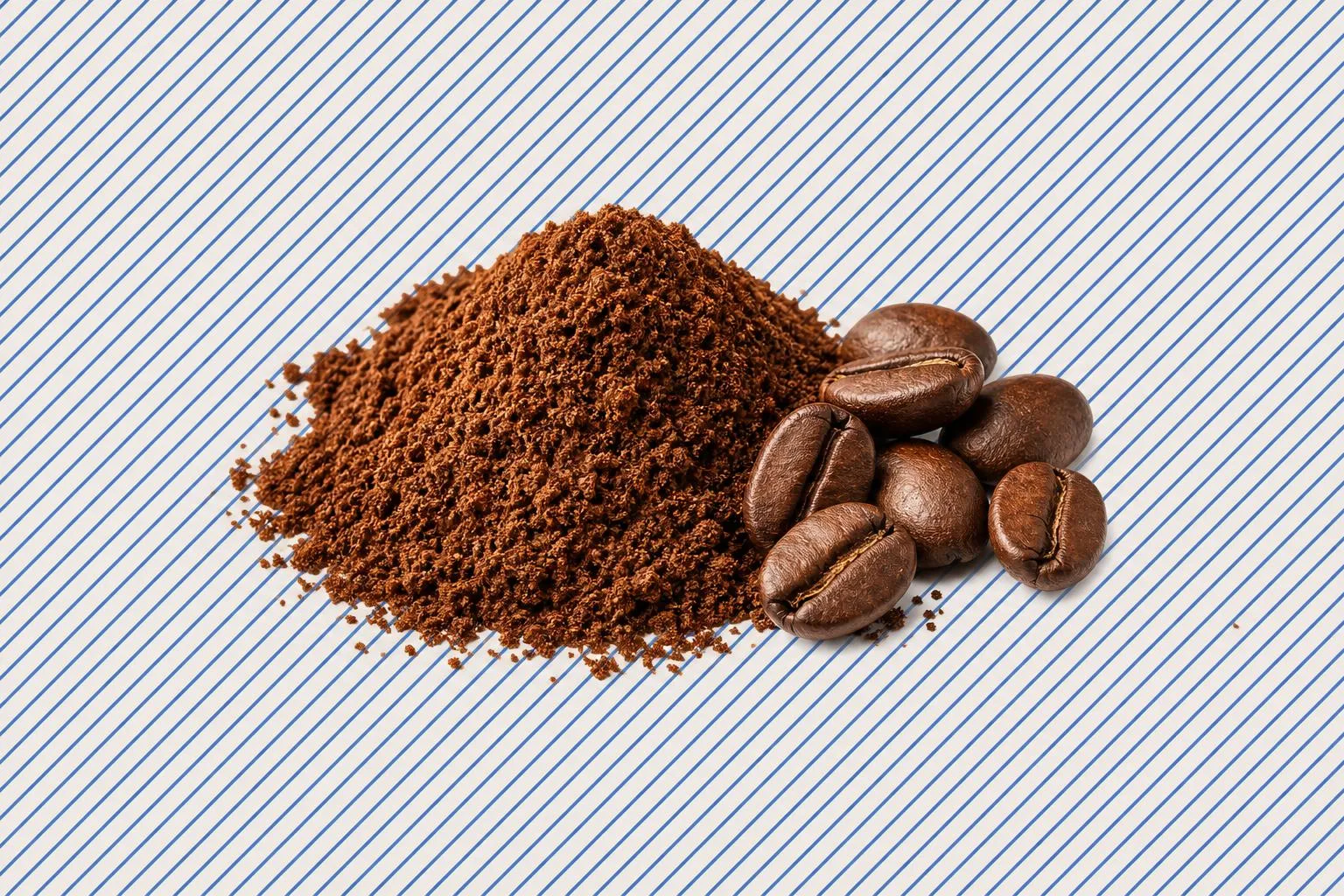
Espresso is the finest, around table salt. Pour over sits in the middle, like fine beach sand. French press and cold brew go coarse, like kosher salt or bigger.
Here is the whole chart in one breath. Espresso: fine, roughly 180 to 380 microns. Moka pot: fine to medium-fine, roughly 360 to 660 microns.
Pour over: medium to medium-fine, roughly 410 to 930 microns. AeroPress: forgiving, anywhere from about 320 to 960 microns.
French press: coarse, roughly 690 to 1,300 microns. Cold brew: extra coarse, around 820 to 1,270 microns. Keep that range in mind as a starting point, then taste and tune.
Why grind size is the dial that decides everything
Grind size controls how fast your coffee gives up its flavour. Smaller particles have more surface area, so water pulls out the good stuff quickly. Larger particles have less surface area and extract slowly.
The logic linking grind to method is total contact time. Espresso finishes in 25 to 40 seconds, so it needs a fine grind to extract enough in that flash. Filter coffee takes three to four minutes, so it uses a coarser grind that would otherwise over-extract.
Get this wrong and the cup tells you straight away. Too fine for the method and water lingers too long, pulling out bitter, dry, astringent compounds. Too coarse and water rushes through, leaving a sour, thin, underdeveloped drink.
Surface area is the mechanism under all of it. Extraction also depends on temperature and water chemistry, but grind is the one lever you can move by a notch between brews and taste the result.
Espresso: fine, and consistent
Espresso forces hot water through a compressed puck at roughly 9 bars of pressure in 25 to 30 seconds. To build enough resistance in that time, the grind has to be fine, near table salt.
But there is a limit. Grind too fine and the particles pack so tightly that water cannot flow evenly through the bed. It carves a channel through the path of least resistance, which gives you a sour, weak shot from one part of the puck and a bitter one from another.
Espresso is the least forgiving method for this reason. You dial it in by watching the shot time: too fast means grind finer, too slow means grind coarser. A dedicated espresso grinder earns its keep here because small adjustments matter.
Pour over: medium-fine, the clarity method
Pour over through a paper filter wants medium to medium-fine, like fine beach sand. This suits a V60, Kalita or Chemex, where water drips through in two to three and a half minutes.
This is the setting that flatters bright, delicate coffees. A clean washed Ethiopian or a Kenyan lot comes alive with the transparency a paper filter gives. If the brew tastes thin and sour, nudge finer; if it tastes dry and bitter or stalls in the filter, go coarser.
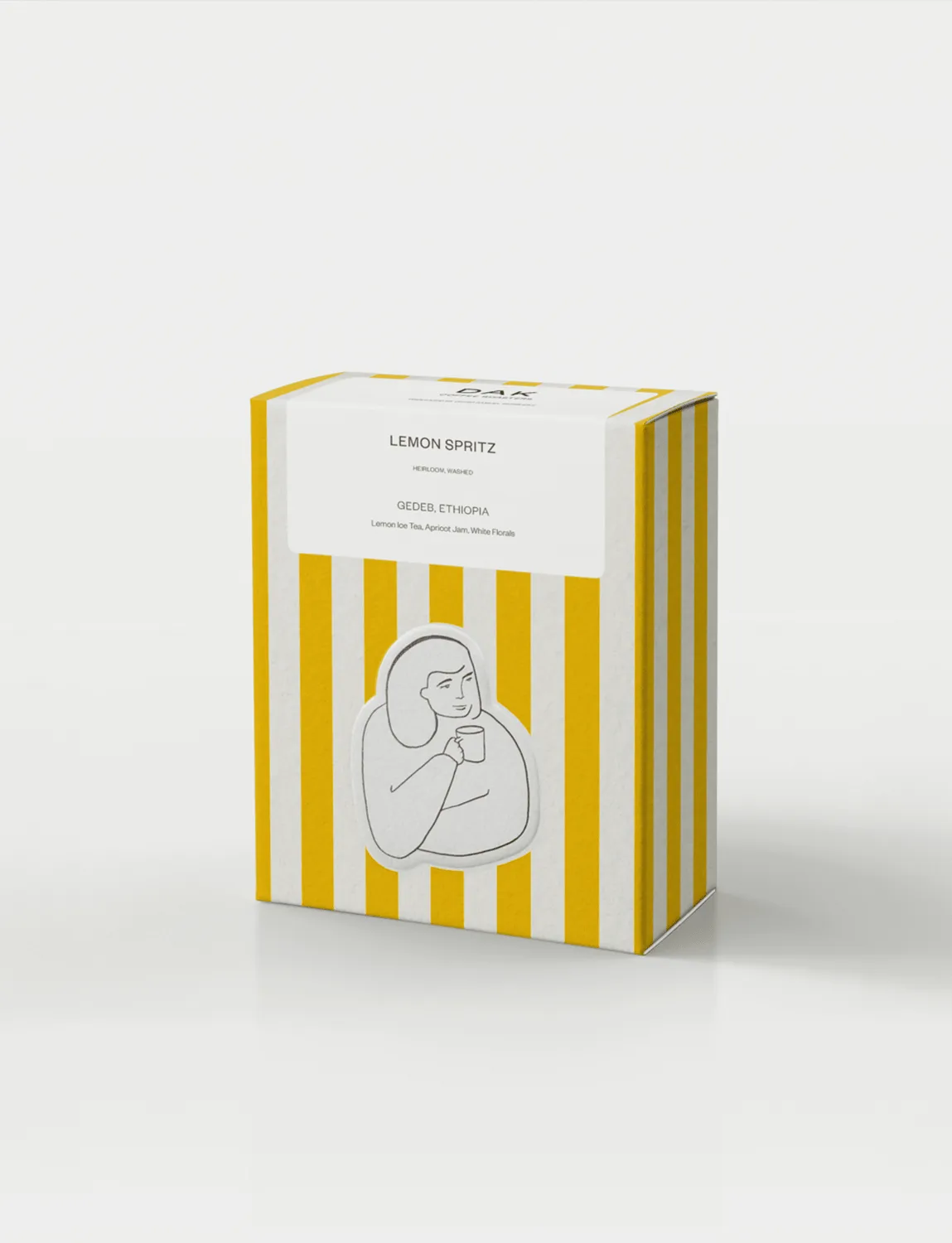
A washed light roast is the natural home for pour over, and this bright Ethiopian is an easy one to practise on.
AeroPress: the most forgiving of all
The AeroPress works across a huge range, roughly 320 to 960 microns, because the sealed cylinder and plunger add a little pressure that helps extraction along. That means a grind slightly off target still makes a decent cup.
In practice, a medium-fine grind near the pour-over range is a safe default. If you want more body and a quicker plunge, go a touch finer; if you want a cleaner, lighter cup, go coarser.
This forgiveness makes the AeroPress the best place to learn how grind changes a cup. Brew the same coffee twice, one notch apart, and taste the difference without the fuss of a dialled-in espresso.
French press: coarse, by design
The French press is full immersion with a metal filter, so the grounds steep in the water for around four minutes. A coarse grind, like kosher salt, keeps extraction gentle over that long soak.
Go finer and two things go wrong. The cup over-extracts into bitterness, and the metal mesh lets a cloud of fine particles through, leaving grit and a muddy, heavy texture.
French press rewards sweeter, rounder coffees where body is the point. A chocolatey, caramel-leaning medium roast from Peru suits it well.

Moka pot: fine to medium-fine, not espresso-fine
The moka pot builds steam pressure on the stove, so it sits between filter and espresso at roughly 360 to 660 microns. Think fine to medium-fine, a little coarser than you would grind for an espresso machine.
Resist the urge to go espresso-fine. Too fine and the puck clogs, pressure spikes, and the coffee pushes through scorched and bitter. A slightly coarser grind lets the water move at a steadier pace.
If your moka pot coffee has been tasting harsh, grind is usually the first thing to open up. A steadier flow is the difference between gutsy and burnt.
Cold brew: extra coarse, with one honest caveat
Cold brew steeps grounds in cold water for many hours, so it wants the coarsest grind of all, around 820 to 1,270 microns. The long, cold contact time means a finer grind would over-extract and turn muddy.
Here is the honest caveat. One lab study found that for cold brew, grind size did not significantly change the caffeine or chlorogenic acid levels extracted, because surface area was not the limiting step for those compounds.
The same study found those concentrations reached equilibrium between 6 and 7 hours, far sooner than the 10 to 24 hours many recipes suggest. So a coarse grind still matters for clean texture and easy straining, but you may not need to steep as long as you think. If your cold brew tastes over-steeped, pull it earlier rather than only chasing the grind.
The one rule that fixes a bad cup
If you remember nothing else, remember this taste test. If your coffee tastes sour, weak, or drains too fast, grind finer. If it tastes bitter, dry, muddy, or drains too slowly, grind coarser.
Sour means under-extracted: the water left before it pulled enough out, so you tighten the grind to slow it down. Bitter means over-extracted: the water took too much, so you open the grind to speed it up.
Change one thing at a time and taste between adjustments. Our brew calculator handles the dose and water for each method, which leaves grind as the one variable you tune by mouth.
Resist the temptation to change ratio, temperature and grind all at once. If you move three things, you will not know which one helped, and you lose the thread entirely.
Consistency matters as much as size
Two grinders set to the same number do not always produce the same cup. A grinder that throws a wide spread of particles, lots of dust and big boulders at once, makes coffee that is bitter and thin at the same time: the fines over-extract while the boulders barely give anything up.
This is why a burr grinder beats a blade one. Burrs produce a tighter, more even spread, so the whole bed extracts at a similar rate and your grind setting actually means something.
Grind fresh, too. Grinding exposes far more surface area to air, which speeds up oxidation and flavour loss, so grind just before you brew rather than days ahead.
What to do first
Start by matching your grind to the chart above, then brew and taste. Sour, fix by going finer; bitter, fix by going coarser; adjust one notch at a time.
If you are choosing a method to suit the beans you already love, browse the brew guides and the full catalogue, or let the decision helper point you somewhere. Bright, delicate coffees reward pour over; sweet, round ones shine in a French press.