Bodum French press recall: is mine affected and what to do
Bodum has recalled 5.9 million glass-carafe French presses over burn risk, but the only remedy is a plastic spoon and a warning label. Here is how to check yours and brew safely.
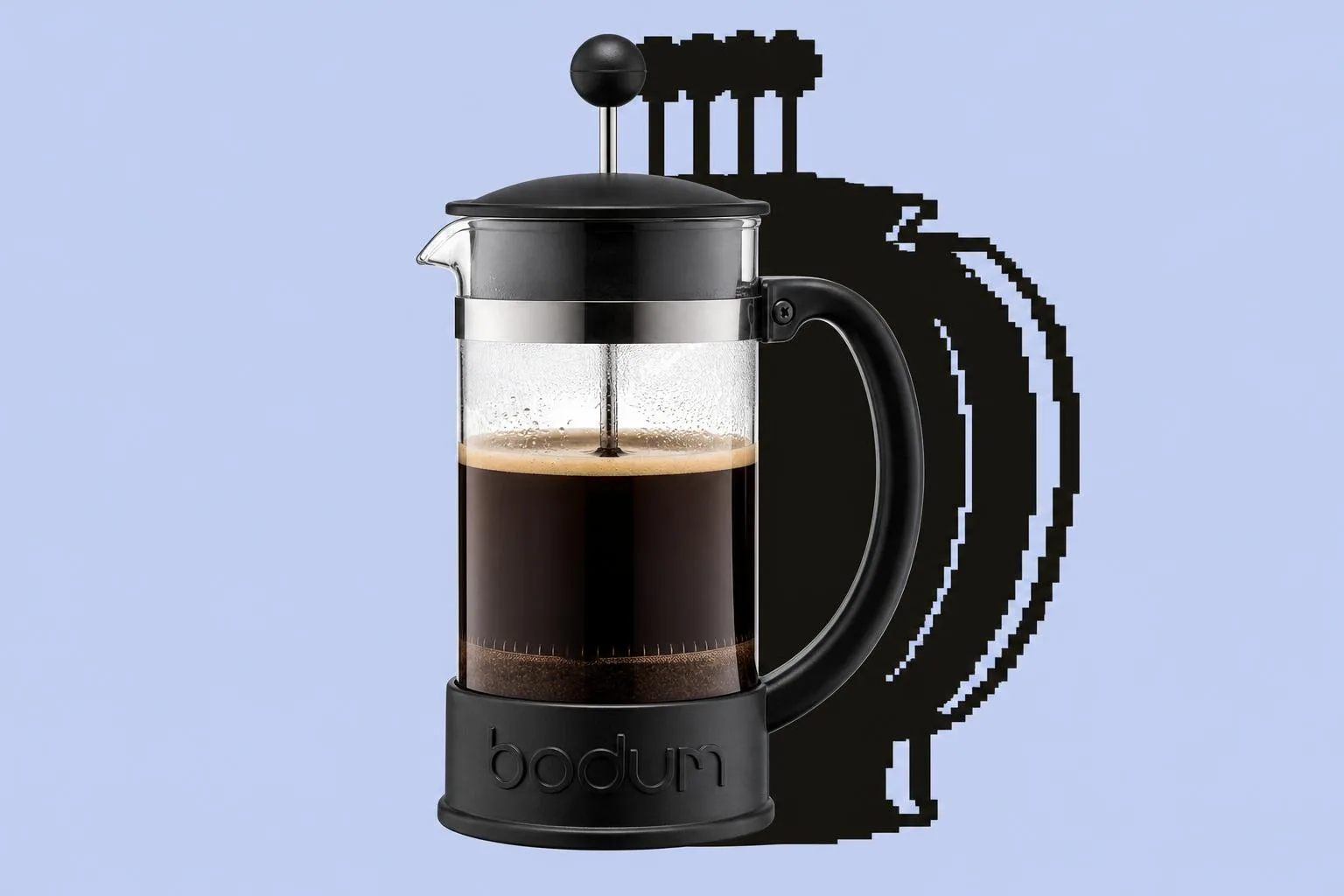
Bodum USA has recalled 5.9 million 8-cup and 12-cup French press coffee makers with replaceable glass carafes, over a risk of serious burn injury. The US Consumer Product Safety Commission announced it on 29 October 2026, recall number 27-055.
If you own one, the official remedy is narrow: stop stirring the coffee with any metal spoon or utensil immediately, then contact Bodum to receive a plastic Bodum stirring spoon and a warning label. There are no refunds and no replacement coffee makers in this recall.
That is the whole story in two paragraphs. The rest is working out whether your press is on the list, why the glass breaks, and how to keep brewing a safe, good cup regardless of which brand you own.
Is my Bodum French press recalled?
The recall covers 8-cup and 12-cup models with replaceable glass carafes. The named ranges are the Bistro, Brazil, Caffettiera, Chambord, Crema, Java, Jesper and Kenya.
Start by checking the size. Smaller 3-cup or 4-cup presses are not named, so a single-serve Bodum sitting by your kettle is likely outside the recall.
Next, look for the brand marks. The Bodum name appears on the frame and inner lid of most models, and it is engraved, along with product warnings, directly on the glass carafes.
The timeframe is wide. These presses sold at Target, Walmart and coffee and home goods stores nationwide and online from 1974 right through to October 2026, for roughly $15 to $65. The recalled units were made in Portugal and Thailand.
That date range matters because it is effectively every glass-carafe press Bodum has sold in the US for half a century. A press you inherited, or bought years ago and forgot about, is just as likely to be in scope as one from last month.
If your press matches a named range, is the 8-cup or 12-cup size, and has a glass carafe, treat it as affected and act on the remedy below. When in doubt, the CPSC listing linked in our sources is the authority, not a social-media post.
Why the glass breaks, and why it burns
The hazard is specific. The carafe can break unexpectedly during use if the glass is already damaged or cracked, and a hot carafe full of near-boiling water is a scald risk when it goes.
A French press is full immersion: ground coffee steeps in hot water inside the glass, then you press a metal mesh plunger down to trap the grounds. The glass is doing real work, holding a litre of water at brewing temperature.
The trigger the CPSC calls out is stirring with metal. Dragging a metal spoon around the inside wall can chip or score the glass, and a small flaw becomes a crack that fails later under heat and pressure.
Think of it the way a windscreen fails. A tiny chip sits harmless for weeks, then a jolt of stress turns it into a running crack, and here the stress is a sudden rush of hot water against scored glass.
The numbers behind the recall are small but real. Bodum USA has identified 70 reports of carafes breaking during use, including 48 reports of burns to consumers.
Bodum's own framing leans on scale. The company said the rate of reported breakage during use is extremely low given that it has sold millions of these products in the US for decades, and that the recall will further encourage safe use.
What the remedy actually gives you
Here is the honest part. The remedy does not include a refund or a replacement press. A Bodum USA customer service representative told CBS News the company was not offering refunds.
What you get instead is a plastic Bodum stirring spoon and a warning label, sent after you contact the company. The logic is that a plastic spoon cannot score the glass the way metal can.
That is a much thinner deal than Bodum's previous high-profile recall. The 2019 Starbucks co-branded press recall involved about 230,000 units and nine reports of a breaking plunger knob, and it ended in refunds.
The contrast is striking: that earlier recall was tiny by comparison yet gave money back, while this one, nearly twenty-six times larger by units, offers a utensil. The difference sits in how each hazard was framed, as a product defect versus unsafe use.
So set your expectations accordingly. If you were hoping to swap a decade-old press for a new one, this recall will not do that for you.
The practical upside is that the fix costs you nothing and the safe-use advice applies to any glass press, not just a Bodum. A plastic or wooden spoon, or a gentle swirl, is the right habit whatever brand you own.
Watch for the refund scam
Because there is genuinely no refund here, that absence is also your scam detector. Any message offering you a refund, or asking for card details or a fee to ship the free spoon, does not match what the CPSC published.
Bodum USA is the American subsidiary of a Danish-Swiss company that makes coffee hardware, and a recall this large is exactly the kind of event scammers piggyback on. Treat unexpected emails and texts about it with suspicion.
The spoon and label are free, and you request them by contacting Bodum directly. You should never need to enter payment information to receive a remedy in a safety recall.
A good rule of thumb: real recalls take money off your problem, they never add a fee. The moment a message asks for a shipping charge or a card number to process your free part, you are looking at a fake.
If a link looks off, go to the CPSC recall page or Bodum's own site yourself rather than clicking through. A minute of caution beats handing your card to a fake claims portal.
And there is no class settlement attached to this recall, so messages promising a payout from one are another red flag worth ignoring.
How to brew French press safely from here
The safest move with any glass press is to inspect the carafe every time you use it. Hold it to the light and check for chips, scratches or hairline cracks, especially around the base and rim.
If you find damage, stop using that carafe. On most of the recalled ranges the glass is replaceable, so a fresh carafe plus better habits is cheaper and safer than pressing on with a compromised one.
Stir with wood, silicone or plastic, never metal. If you like to break the crust during brewing, a gentle swirl of the whole press does the job without a spoon touching the glass at all.
Mind thermal shock too. Do not pour boiling water into a cold, empty carafe straight from the cupboard in winter; a quick warm-up rinse evens the temperature and is kinder to the glass.
Be just as careful at the other end of the brew. Setting a hot, full carafe straight onto a cold stone counter or into a sink of cool water is the same shock in reverse, so let it cool on a trivet or a folded towel.
The brew itself does not need boiling water anyway. For French press, water around 92 to 96 °C extracts well, and our brew calculator will scale a clean 1-to-16 ratio to whatever carafe size you have.
What to brew in it
A French press is an immersion brewer with a metal mesh, so it keeps body and oils that a paper filter strips out. That makes it forgiving and comforting, and it flatters rounded, sweet coffees over delicate, acidity-driven ones.
For an easy everyday cup, a Brazil natural with chocolate and nutty notes sits beautifully in the full body a press gives you. This one is a nutty, chocolatey Daterra lot that will not fight the method.

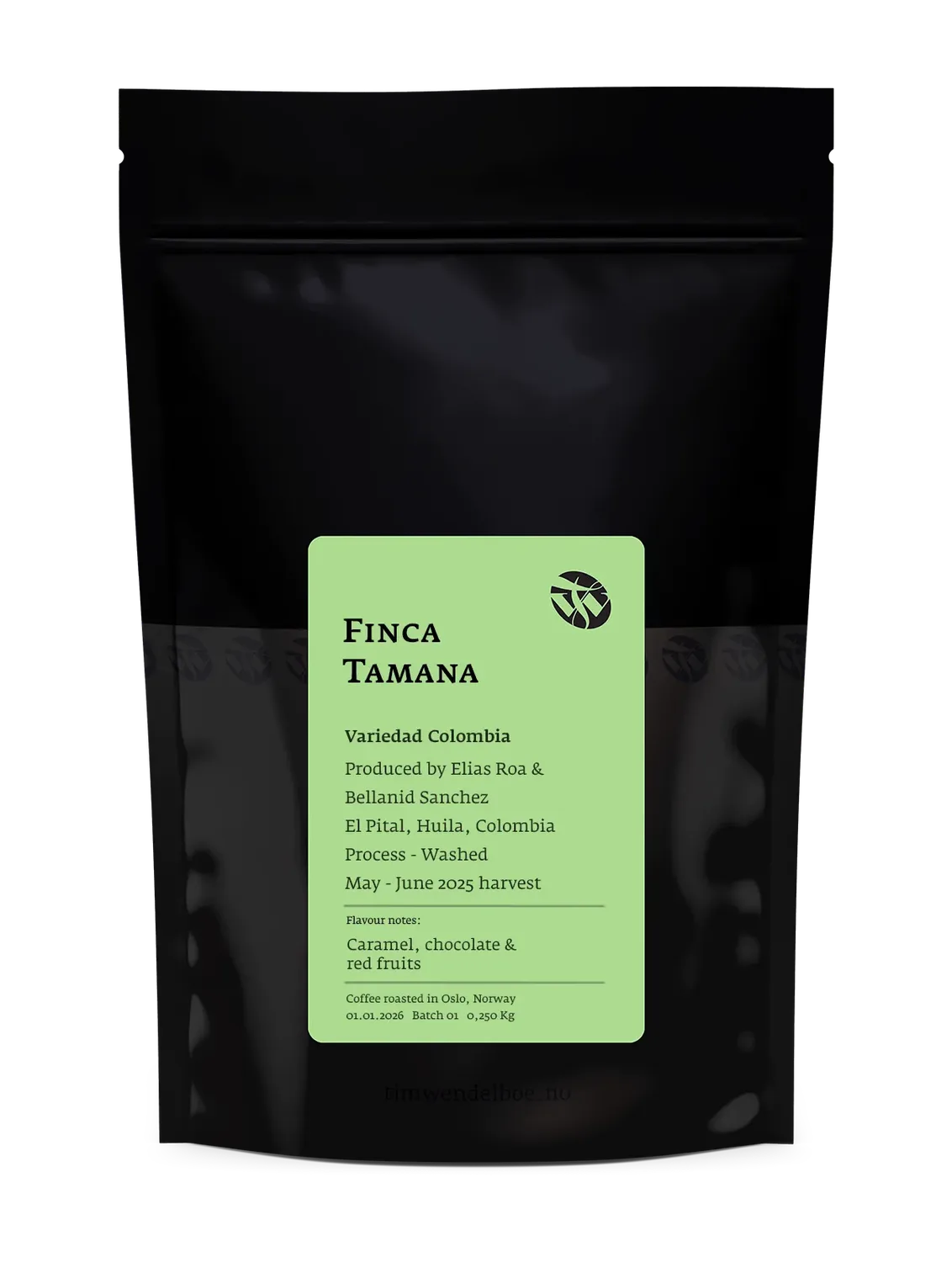
If you want more fruit without losing that comfort, a washed Colombia leans sweet and balanced and takes the press's heavier texture well. Clean, dependable, and happy at a coarse grind.
Either way, the method rewards patience over fuss, which is partly why it suits a cautious, inspect-first routine so well. There is no pressure gauge and no race against a shot timer, just a steep and a slow press.
Grind coarse, steep for about four minutes, press slowly, and decant off the grounds so the cup does not keep extracting. If you are new to the method, our French press guide walks the full weight-based recipe, and you can browse more brewers if a press no longer feels right for your kitchen.
The bottom line
If your Bodum is an 8-cup or 12-cup glass-carafe model from one of the named ranges, assume it is affected, stop stirring it with metal today, and request the free spoon and label from Bodum.
Do not expect a refund, and treat any message that offers one as a likely scam. Inspect the glass before every brew, replace a cracked carafe, and the method stays as safe and comforting as it has always been.
From there it is just coffee. Pick a sweet, full-bodied coffee you like, dial in the ratio, and enjoy the press for what it does best.