SL28 is a coffee variety selected in Kenya in the 1930s, and it is the plant behind the electric blackcurrant acidity that makes Kenyan coffee so recognisable. It was chosen for its ability to survive drought, not for flavour, yet it became one of the most distinctive Arabicas in the cup.
If you have ever tasted a bright, cassis-heavy Kenyan coffee and wondered what made it taste like that, SL28 is a large part of the answer. It is a hard, disease-prone, low-yielding plant that growers keep anyway, because nothing else tastes quite like it.
Where SL28 came from
Scott Agricultural Laboratories was established in 1922 at Kabete, near Nairobi, as part of British colonial agricultural research in Kenya. In 1931 the labs' senior coffee officer, A.D. Trench, toured Tanganyika, now Tanzania, and in the Moduli district he noticed a variety tolerant to drought, disease and pests.
Seed was collected and brought back to Scott Laboratories, where its drought resistance was confirmed. Between 1935 and 1939 the labs studied 42 individual tree selections for yield, quality and resistance, prefixing each with "SL" for Scott Laboratories.
SL28 was selected in 1935 from a single tree in a population called Tanganyika Drought Resistant. The "28" was simply its number in the selection sequence, nothing more romantic than that.
That single-tree origin is worth pausing on. Every SL28 plant alive today traces back to one selection, which is part of why the variety is so consistent in character wherever it is grown.
Genetically, recent tests place SL28 in the Bourbon group, the sweet, balanced family that parents a huge share of the cultivars you will meet. That heritage helps explain the sweetness sitting underneath all of that acidity.
Why it tastes the way it does
SL28 produces an intense, layered cup: vivid blackcurrant, or cassis, acidity, a savoury tomato-like complexity, a medium to full body with an almost wine-like texture, and a long, evolving finish. It is unlike anything else in the Arabica catalogue.
That blackcurrant note is the signature. It is not a flavouring or a processing trick; it comes from the variety itself, sharpened by Kenya's high altitude and meticulous washed processing.
The savoury edge is what stops the cup being simply fruity. Alongside the blackcurrant you often get something tomato-like and almost briny, and that tension between sweet fruit and savoury depth is what tasters mean when they call Kenyan coffee complex.
The accidental part is worth sitting with. The breeders never selected for taste, only for survival, and SL28 turned out to be extraordinary anyway. It is nearly the same story as Geisha, a variety collected for practical reasons whose flavour went unnoticed for decades.
That accident matters for how you shop, too. When a variety earns its place on flavour alone, the roasters who buy it tend to treat it carefully, which is why SL28 lots so often arrive light-roasted and clearly labelled.
A tough plant that is hard to grow
SL28 thrives at 1,500 to 2,100 m. It grows tall and spreading, with large leaves and an open canopy, and it carries deep roots that let it reach moisture during dry spells. That is where its drought tolerance comes from.
Its rusticity is remarkable. SL28 trees can be left untended for years, even decades, and then return to production, and there are trees in Kenya that are 60 to 80 years old and still bearing fruit.
The catch is disease. SL28 is susceptible to coffee leaf rust and coffee berry disease, both of which have caused significant losses in Kenya. Managing them means fungicide, monitoring and good field practice, which adds real cost for smallholders.
Yields are low to medium, too. So a farmer choosing SL28 is trading productivity and easy management for a cup that sells at a premium. That trade-off is the whole reason the variety survives at all.
It also explains why Kenya bred newer varieties alongside it. Disease-resistant plants like Ruiru 11 and Batian were developed to give growers a lower-risk option, though few match SL28's cup outright.
SL28 vs SL34
SL34 is the other famous Scott Labs selection, and the two are almost always spoken of together. They cup similarly, but they were bred for different jobs and they show different strengths.
SL34 was selected for higher yields and wetter conditions. SL28 was selected for drought tolerance and tends to give the more intense cup: the sharper blackcurrant, the fuller body, the longer finish. SL34 is similar in character but softer, with a lush body of its own.
Here is the honest complication: it is unusual to get a pure SL28 lot out of Kenya. Most Kenyan coffee is processed and exported blended with other varieties such as SL34, Ruiru 11 and Batian.
That means the classic "Kenyan" taste you love is usually SL28 and SL34 working together, graded by bean size into lots labelled AA and AB. A bag that names both varieties is telling you the truth about how these coffees actually come to market.
This blended SL28 and SL34 lot from Kamavindi is a clean way to taste that partnership at a fair price, roasted light to keep the fruit forward.
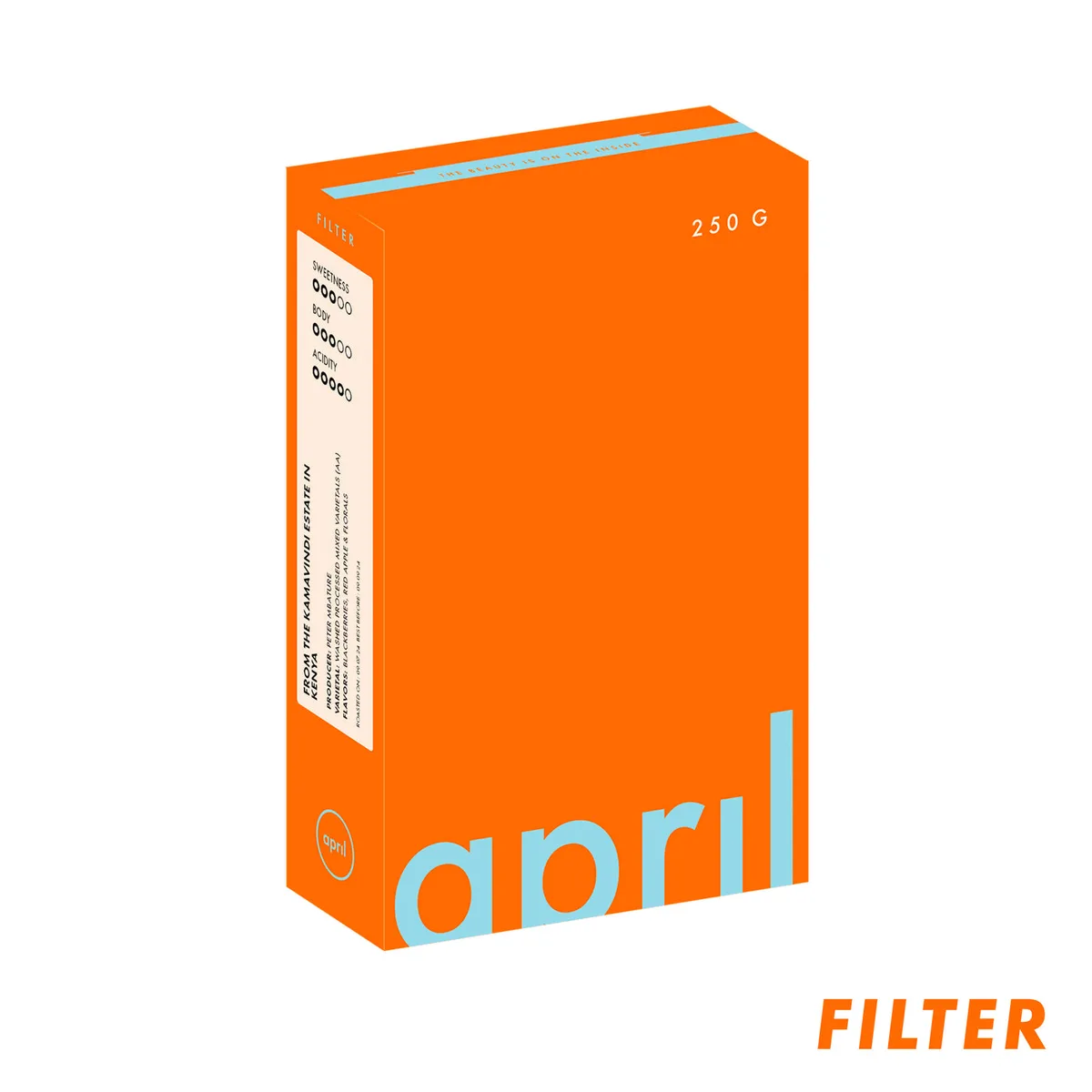
If you want to isolate SL34's softer side for comparison, the same producer offers an SL34-only lot. Tasting the two next to each other is the quickest way to hear where SL28's extra intensity comes in.
How processing changes an SL28
Washed processing defines Kenyan specialty, and it is where SL28's acidity is at its most transparent and electric. If you want to understand the variety in its purest form, start with a washed lot.
Honey-processed SL28 shifts things gently. It often keeps bright, crisp blackcurrant but adds a more syrupy body and a distinct sweetness, with the acidity softening towards something closer to tangerine.
Natural and anaerobic SL28 lots have emerged in Kenya over the past decade. The variety's flavour intensity holds up well: you still get blackcurrant and that savoury tomato edge, plus deeper fruit. These lots stay rare next to the washed production that made Kenya famous.
SL28 has also spread beyond Kenya. It is important in Uganda's Arabica regions and has moved into Latin America, where farmers grow it for the same reason Kenya does: the cup is worth the effort.
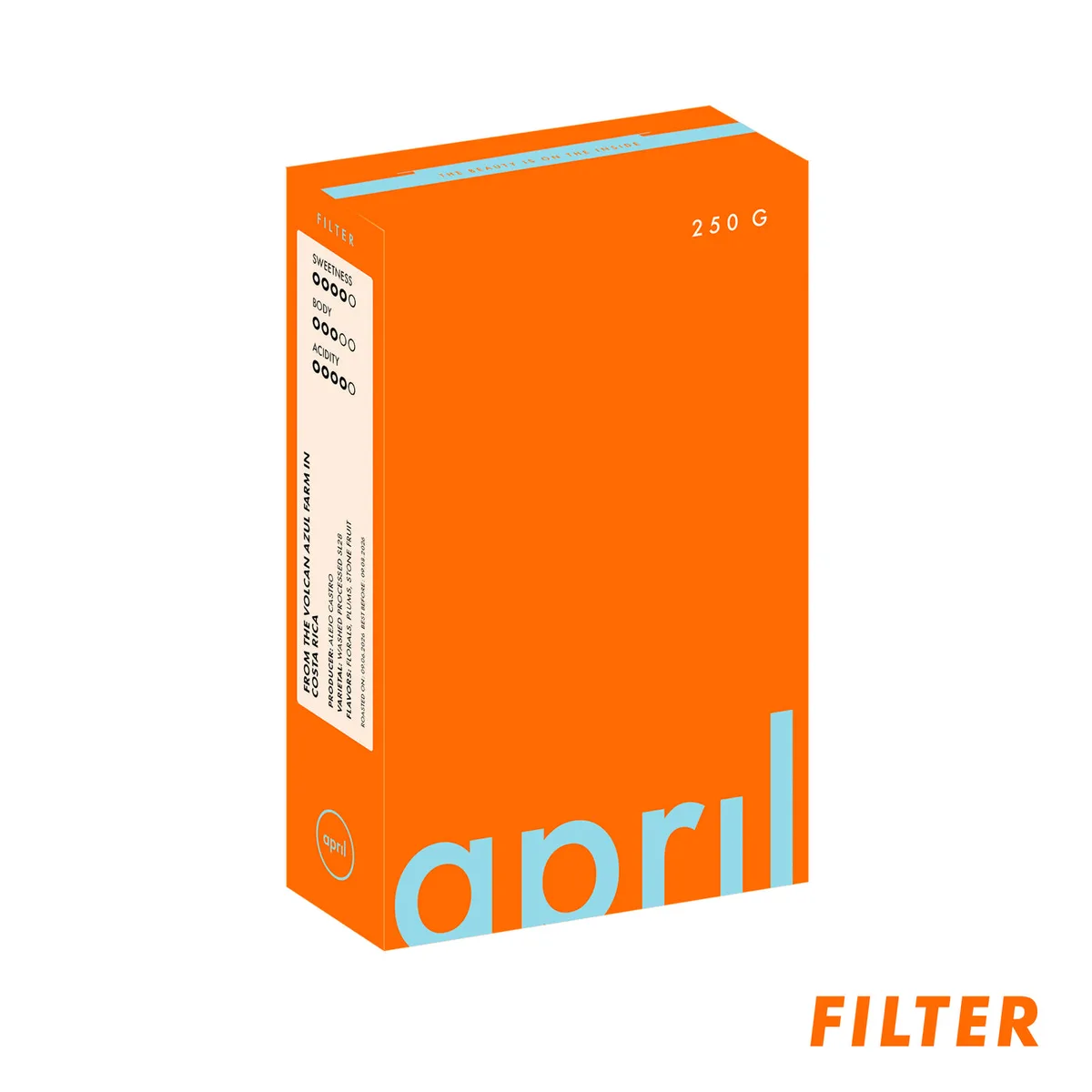
A washed SL28 grown in Costa Rica is a fascinating side-by-side with a Kenyan one. Same variety, different terroir, and you can taste how much of the blackcurrant is the plant and how much is Kenya.
How to taste it well
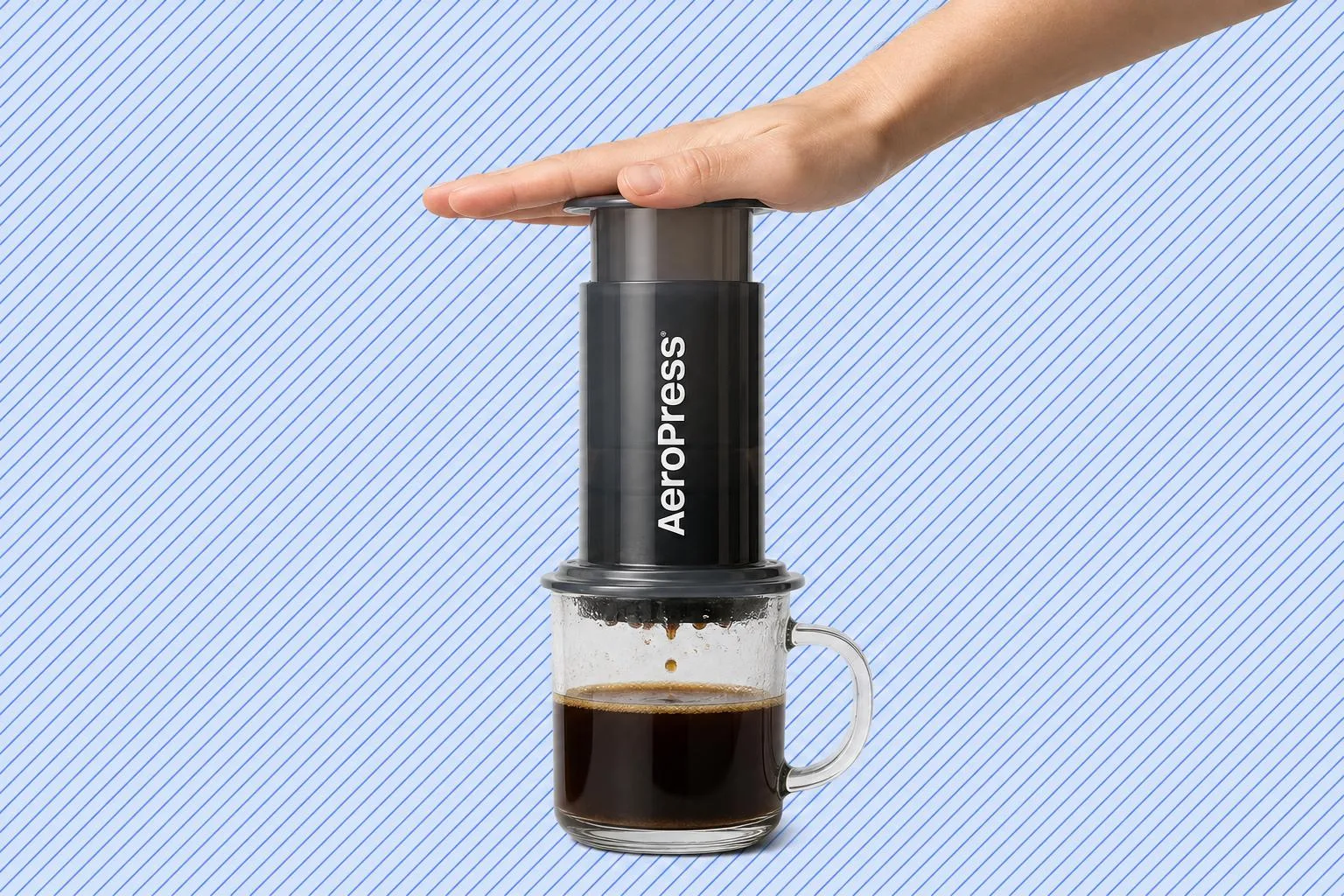
SL28's acidity is its whole point, so brew to show it rather than tame it. A clean pour over with a paper filter is the natural home for a Kenyan coffee, giving you the clarity to read the blackcurrant, the citrus and the savoury undertone separately.
Buy it light-roasted where you can. A lighter roast preserves the bright fruit acidity that the variety was accidentally gifted; push the roast dark and you sand off the very thing that makes SL28 special.
Drink it slightly cooler than you think. As a Kenyan cup drops from hot to warm, the blackcurrant tends to bloom and the acidity rounds out, so give it a few minutes in the cup before you judge it.
If you are dialling in a pour over, keep your ratio steady and let the grind do the work. The brew calculator will hold the numbers for you while you adjust to taste.
To go deeper, the SL28 variety page and the wider Kenya origin page connect to more lots as the catalogue refreshes. Prices and availability move, so treat any single coffee here as a starting point rather than the last word.
Start with a washed Kenyan lot that names SL28 on the bag, brew it as a pour over, and let it cool. That is the shortest path to understanding why one drought-hardy tree from the 1930s still defines an entire country's coffee.