Store roasted beans in an airtight, opaque container, away from heat and light, and use them within a few weeks of opening. That single sentence covers most of what matters. The rest is detail that stops good coffee going flat before its time.
The thing to unlearn is the calendar. A bag does not expire on a date so much as it degrades every time air, moisture, heat or light gets at it. Manage those four, and a fresh bag stays lively for weeks. Ignore them, and it turns papery in days.
The four enemies, ranked
Roasted coffee starts losing flavour the moment it leaves the roaster, pushed along by four things: oxygen, moisture, heat and light. Oxygen is the big one. When beans meet air they oxidise, the oils that carry aroma break down, and the cup drifts towards flat, then stale, then cardboard.
Moisture is the sneaky one. Coffee is hygroscopic, which just means it pulls in and holds water, along with odours and tastes, from the air around it. That is why a bag stashed near the kettle or in a humid cupboard fades faster than one kept dry.
Heat speeds every one of these reactions up, so a shelf above the oven or a sunny windowsill is a poor home. Light does its own damage through photooxidation, degradation driven by light rather than air. This is why you will never see quality coffee sold in clear glass jars. If your storage jar is see-through, keep it in a dark cupboard.
The container that actually earns its keep
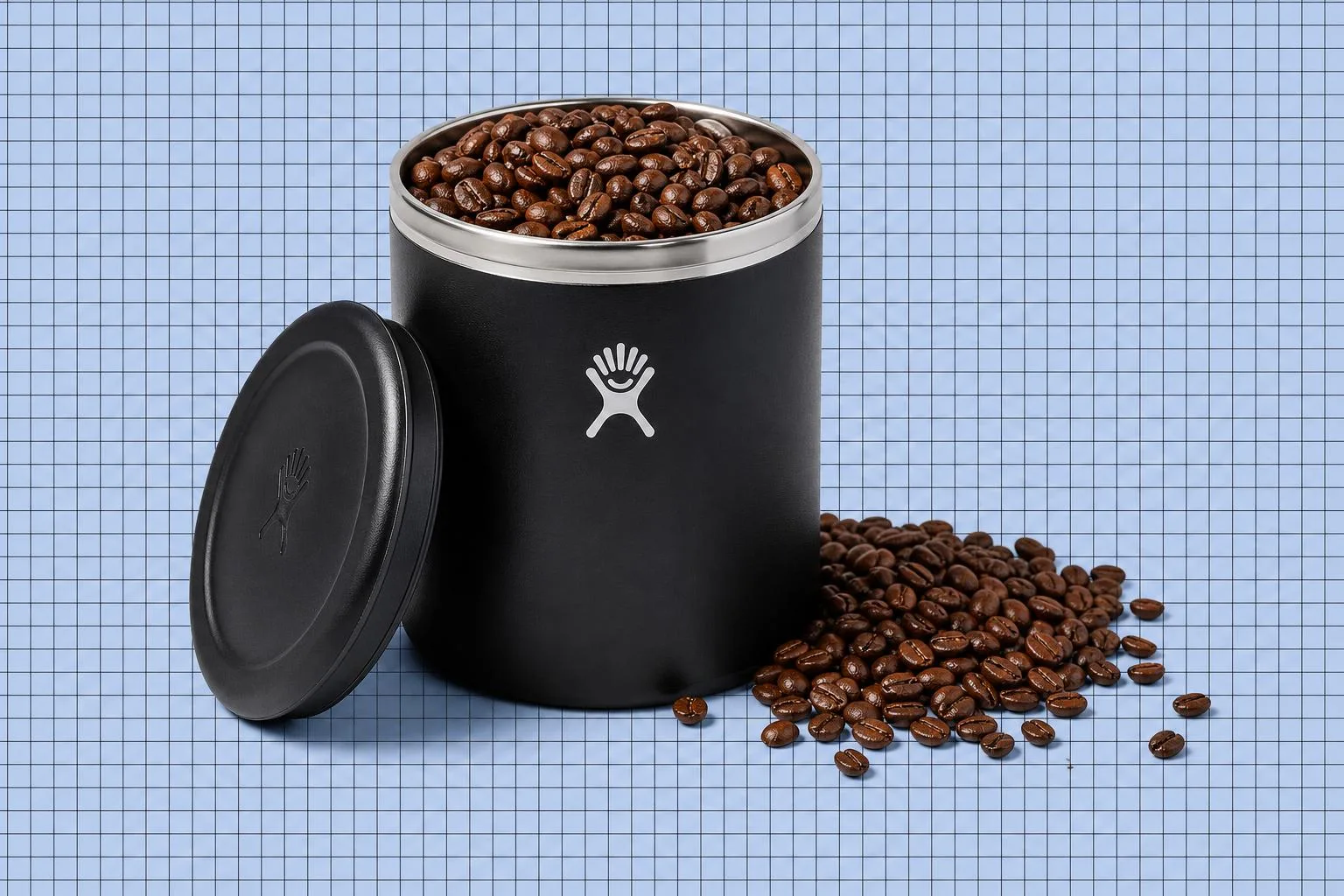
Airtight beats everything else you can do. An airtight canister is the single best way to protect the aroma and flavour, because it starves the beans of the oxygen that stales them. Opaque or kept in the dark is the close second.
Fresh coffee complicates this slightly, because it off-gasses. For several days after roasting the beans release carbon dioxide, which is why good bags have a one-way valve: it lets CO2 escape while keeping oxygen out. If your bag has a valve, it is a perfectly good short-term store on its own. Press the air out, roll it down and clip it tight.
Headspace is the detail most people miss. Every time you open the container, fresh oxygen rushes in to fill the empty space above the beans. Choose a jar close to the volume of coffee inside rather than a cavernous one, and reseal fast. As the bag empties, decanting into a smaller vessel is a genuine upgrade, not fussiness.
One habit does more than any gadget: buy whole beans and grind per brew. Ground coffee exposes vastly more surface to the air and stales in hours, not weeks. Grinding to order is the biggest freshness lever you have, whatever your brew method.
Skip the fridge
The fridge feels like the sensible move and is almost always the wrong one. Beans there absorb unwanted moisture and food odours fast, and within a couple of days they lose the original flavour and pick up whatever else is in the door. Cold, damp and smelly is the exact opposite of what beans want.
The temperature swings make it worse. Every time you take the container out, warm room air meets cold beans and condensation forms, feeding the moisture problem. A cool, dark cupboard beats the fridge every time.
Freezing, done right, is legitimate
Freezing has a bad reputation it does not fully deserve. It is a genuine tool for coffee you cannot get through quickly, as long as you obey one rule: eliminate every chance for moisture to reach the beans. America's Test Kitchen recommends portioning coffee into single doses and vacuum-sealing each one before freezing, which is the cleanest way to do it.
The logic is simple. Sealed in airless, moisture-proof portions, coffee in the freezer is paused rather than damaged. You pull out one dose at a time, so the rest of your supply never sees a temperature swing or a lungful of air.
There is a bonus for how the beans grind. A 2016 study in Scientific Reports found that grinding cold produces a narrower particle size distribution and a smaller average particle size, and that this held regardless of bean origin or process. More even grounds mean a more even extraction, which is why some competitors have leaned on it.
One of the study's co-authors frames it as a short-term trick as much as a storage method: freeze the beans for just a few hours before grinding to get the better grind, and you can also keep them longer. In his 2017 US National Coffee Championship routine, winner Kyle Ramage went as far as freezing beans with dry ice before grinding.
Two honest caveats. The cooling effect on grinding is reversible: coffee chilled to very low temperatures and warmed back to room temperature behaves just like coffee that was never cooled, so nothing is lost by thawing.
Then there is a hardware question. Grinding straight from frozen can attract condensation that may, over time, harm the burrs, though the evidence is inconclusive, and some grinder makers advise against it. If in doubt, grind frozen only for the odd dose, not daily, or let a portion come up to room temperature sealed before opening.
Buy small, buy often
All the storage in the world cannot rewind the clock, so the best freshness strategy starts at the checkout. Buy smaller batches of freshly roasted coffee more frequently, enough for one or two weeks, rather than a hoard that goes stale before you reach the bottom. Once opened, a bag typically holds its peak for about a week, then turns quieter and less aromatic.
That is not a reason to panic-brew, just a reason to size your order to your habit. A single person doing one V60 a day gets through a 200g to 250g bag comfortably inside two weeks. Bright, delicate light roasts show their age soonest, so they reward buying small most of all.
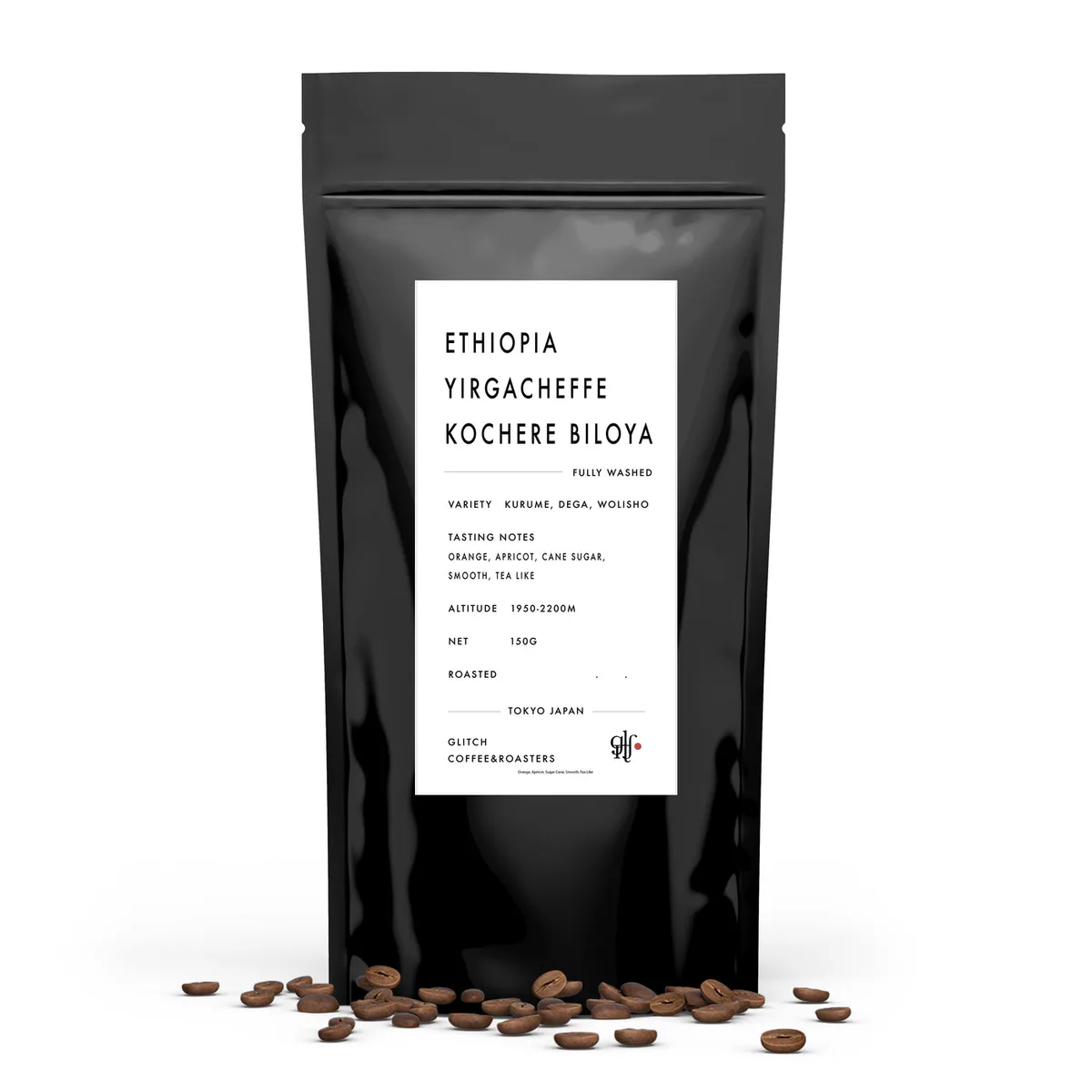
Delicate Ethiopian naturals are a good example: all florals and fruit when fresh, and among the first to fade. This washed Ethiopian lot from Yirgacheffe is a citrus-and-jasmine light roast at a friendly price, easy to finish while it still sings.
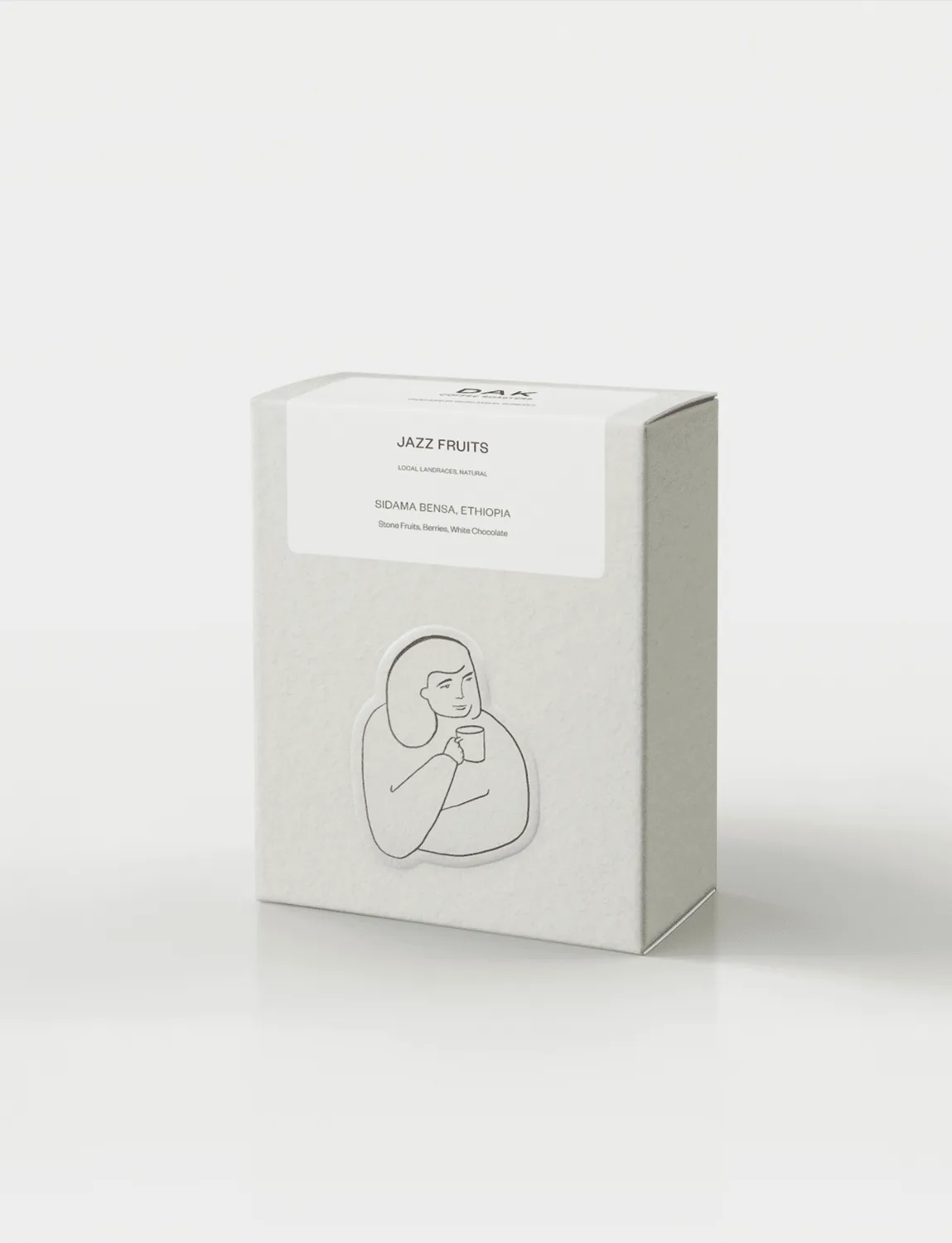
If you want fruit-forward and are the sort who brews daily, a fresh-harvest natural is a smart small buy. This one is tropical and chocolatey, light on the wallet, and clearly labelled as new-crop so you know the clock only just started.
For a slightly more forgiving cup that holds up well through a fortnight, a medium roast from a dependable origin drifts less dramatically as it ages. This washed Kenyan is blackcurrant-led and stands up to milk, espresso or filter alike.
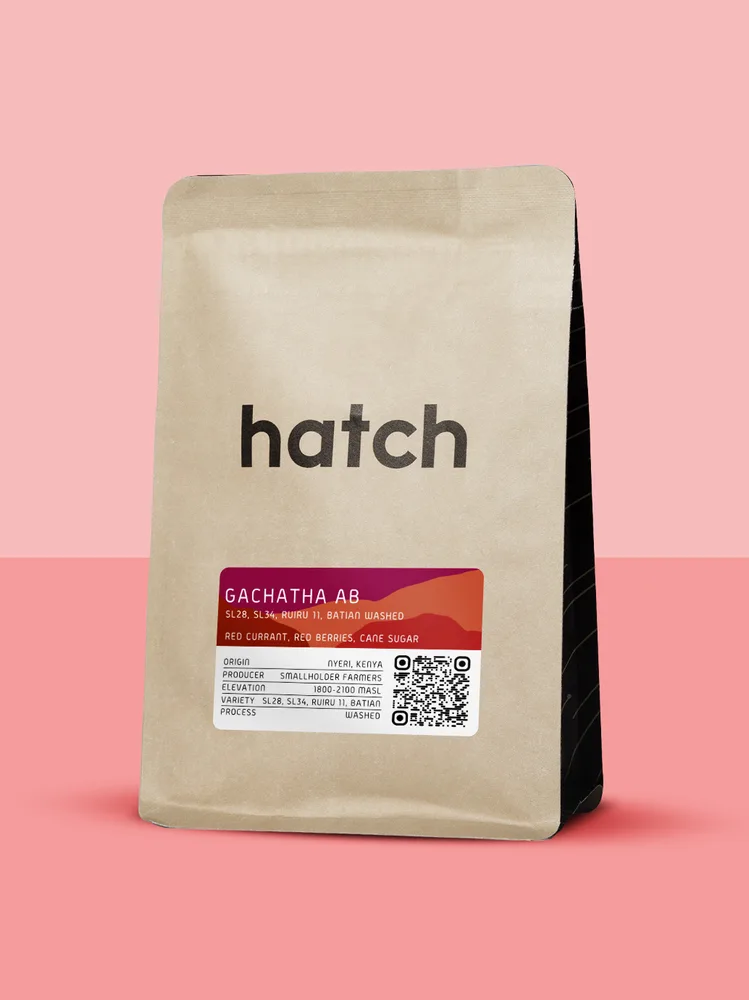
The catalogue refreshes and prices move, so treat these as examples of the right shape rather than fixed picks. If you would rather be pointed to something in stock right now, our decide tool narrows by roast, origin and process in a few taps.
What to do first
Tonight, move your beans out of any clear jar and off any warm or sunny shelf, into an airtight, opaque container in a cool cupboard. If the bag has a valve, just press the air out and clip it tight. That alone protects most of the flavour you paid for.
Then right-size your next order to what you will drink in two weeks, and grind per brew rather than in advance. If you regularly overbuy, portion the surplus, vacuum-seal it and freeze it, keeping your working supply in the cupboard.
From here, dial in the brew itself with the calculator for a ratio that suits your method, or browse the full range of fresh coffees and buy a size you can actually finish. Fresh beans, kept simply, are most of great coffee.