What coffee beans should I buy for a French press? A practical buying guide
The French press rewards fresh, coarsely ground medium roasts from chocolatey origins. Here is what to buy, what roast to pick, and the cafestol trade-off to know first.
If you want a short answer: buy fresh whole beans, roasted medium to medium-dark, from origins that taste of chocolate, caramel and nuts, and grind them coarse right before you brew. Brazil, Colombia and Guatemala are the easiest places to start.
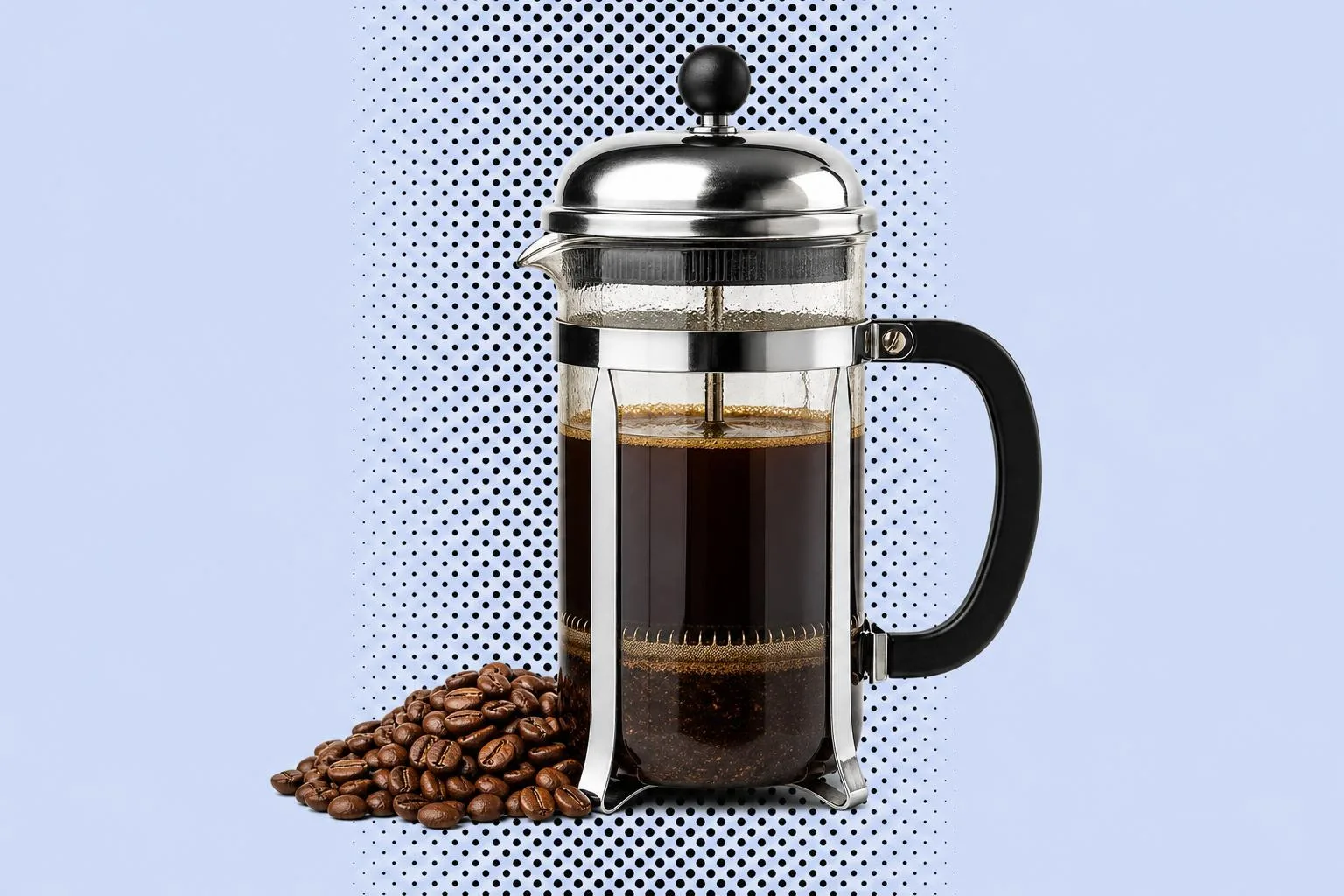
The French press is a full-immersion brewer with a metal mesh filter. The grounds sit in hot water for minutes, then a plunger pushes them down, and the metal screen lets oils and fine particles through instead of trapping them in paper.
That design shapes what to buy. It rewards body, sweetness and roundness over delicate aromatics, so a comforting medium roast beats a featherweight floral one here. Below is how to choose, plus one honest health caveat worth reading before you commit.
What roast works best in a French press
The reliable pick is a medium to medium-dark roast. It gives the press what it does best: a full, syrupy cup with cocoa and caramel sweetness and enough body to carry the metal filter's extra oils.
The mechanism is extraction time. A press steeps for around four minutes, which is long, so a darker roast that is already more soluble delivers sweetness and roundness without turning thin.
Light roasts can work, but they are the riskier buy. Over a long immersion steep they often read as overly acidic or sour, because the harder, denser beans give up their bright acids before their sugars.
Going too dark backfires in the other direction. A long steep pushes a very dark roast toward ash and char, so if you drink your coffee black and hate bitterness, pull back from the darkest roasts on the shelf.
Think of it as a middle lane. Medium-dark is forgiving, medium is clean and sweet, and the extremes at either end are where a French press starts to punish you.
If you drink your coffee with milk, you can afford to go a shade darker, since the dairy rounds off any edge the roast adds. Drink it black, and medium is the safer home: it keeps the sweetness honest and the bitterness in check.
Origins that flatter the brewer
Brazil is the natural home base. Natural-process Brazilian coffee leans nutty and chocolatey with low acidity, which is exactly the flavour a press amplifies, and it tends to be affordable.
Colombia is the dependable all-rounder: balanced, sweet, with caramel and gentle fruit. A washed Colombian at a medium roast is about as safe as a French press bean gets.
Guatemala adds a bit more structure, with chocolate and nutty notes over a touch of spice or citrus. It is a good step up when a straight Brazil feels too plain.
There is also the earthy outlier. A wet-hulled Indonesian coffee gives a heavy, savoury, low-acid cup that the press flatters beautifully, trading brightness for a dense, almost gravelly body that some drinkers love.
Fruit-forward natural coffees can work too, but go in with open eyes. The metal filter and fine sediment can make an intensely fruity lot feel muddier here than it would through paper, so it is a trade rather than a free upgrade.
The common thread across all the easy picks is low to moderate acidity and a chocolate-to-caramel backbone. Bright, high-acid origins like a classic Kenya are not wrong in a press, but their blackcurrant snap softens and blurs under immersion, so you pay for a cup that shines more through paper.
Grind and freshness matter more than the bean
Grind size is the single thing most people get wrong. The French press wants a coarse grind, like coarse sea salt, because the metal mesh cannot catch fine particles.
Grind too fine and those fines slip straight through the screen. You get a muddy, gritty, over-extracted cup that tastes bitter no matter how good the beans were.
Freshness is the next lever. Buy whole beans roasted within the last few weeks, and aim to use them inside two to four weeks of the roast date for most drinkers.
Grinding right before you brew matters more than any origin choice. Whole beans hold their aromatics; ground coffee goes flat within days, so a cheaper bean ground fresh usually beats a fancier bean ground last month. If you are still deciding between whole and ground, the trade-offs sit on our buying guides.
If you do not own a grinder yet, buy smaller bags more often rather than one big pre-ground sack. It is the cheapest upgrade to your cup you can make.
A burr grinder earns its keep here more than anywhere, because the press is unforgiving of uneven grounds. A cheap blade grinder throws off both dust and boulders at once, and the dust is exactly what sails through the mesh and muddies the cup.
The cafestol trade-off you should know before buying
Here is the honest caveat. The same metal filter that gives a French press its body also lets through cafestol, an oily compound that filtered brewing largely removes.
Cafestol raises LDL cholesterol, and it does so in a dose-dependent way: more unfiltered coffee means more effect. A French press cup carries roughly 4 mg of cafestol, which is a meaningful amount rather than a trace.
The word to hold onto is dose-dependent. One press cup now and then is a small thing; several large unfiltered cups a day is where the effect becomes worth weighing, especially if your cholesterol already runs high.
There is an easy fix if you want the body without the compound. Dropping a paper filter into the press, or using a paper pour-over or drip machine, captures nearly all the cafestol.
One more note for decaf buyers: decaffeinated coffee still contains cafestol, so a decaf press still nudges LDL. That said, decaf brews well here, because the heavy body makes it taste fuller than it does from a drip machine.
None of this is a reason to avoid the press. It is a reason to be honest about how much you drink and how you brew, and to know that the body you love and the compound you may not want ride through the same mesh.
Three French press coffees worth buying now
The catalogue leans toward light roasts, so the classic medium-dark press picks are a smaller set. These three cover the main styles, from cheap-and-chocolatey to dark to earthy.
Start with the obvious crowd-pleaser: a dark-roasted natural Brazil. It is nutty, chocolatey and cheap, which is exactly what the French press was built to flatter, and it is forgiving if your grind or steep drifts.
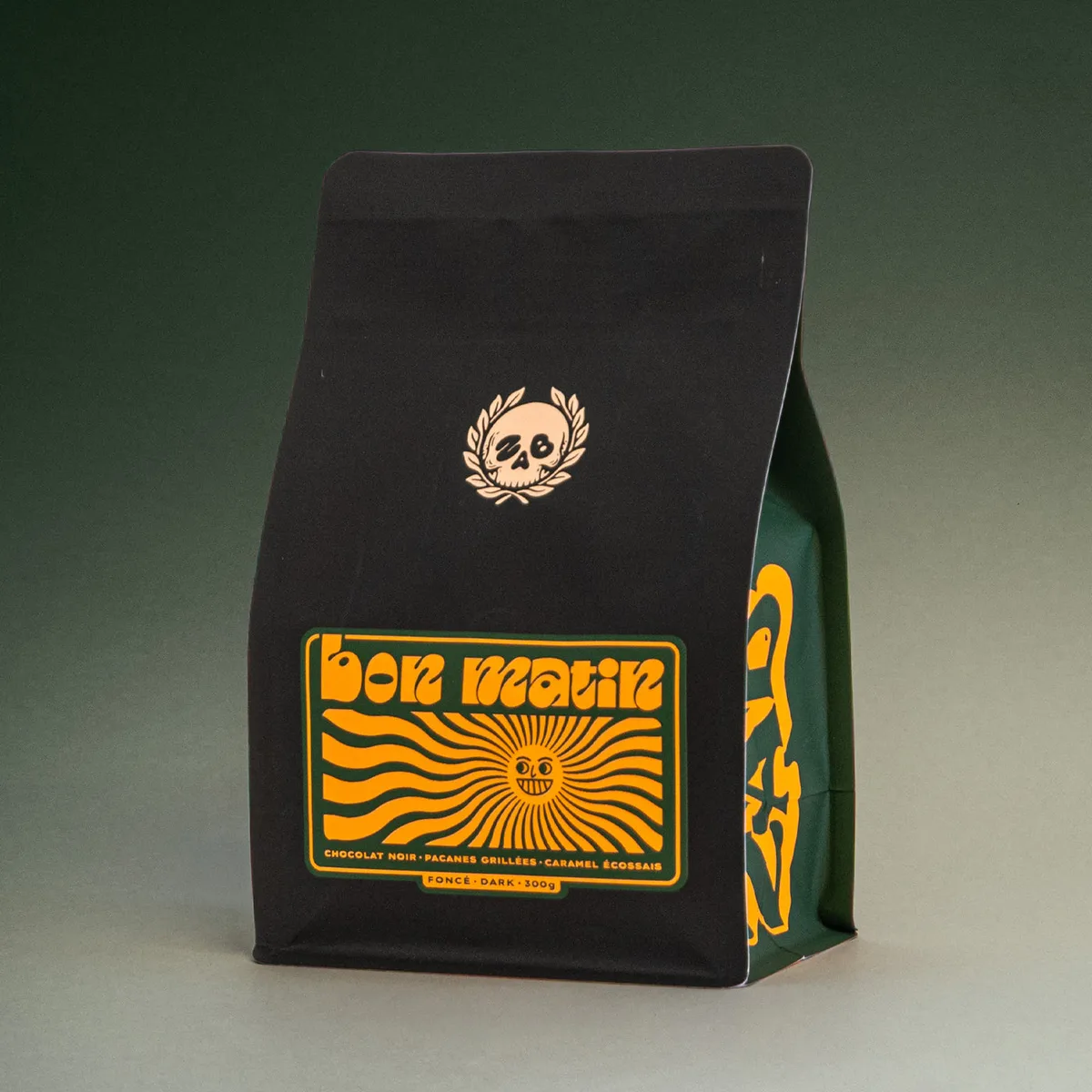
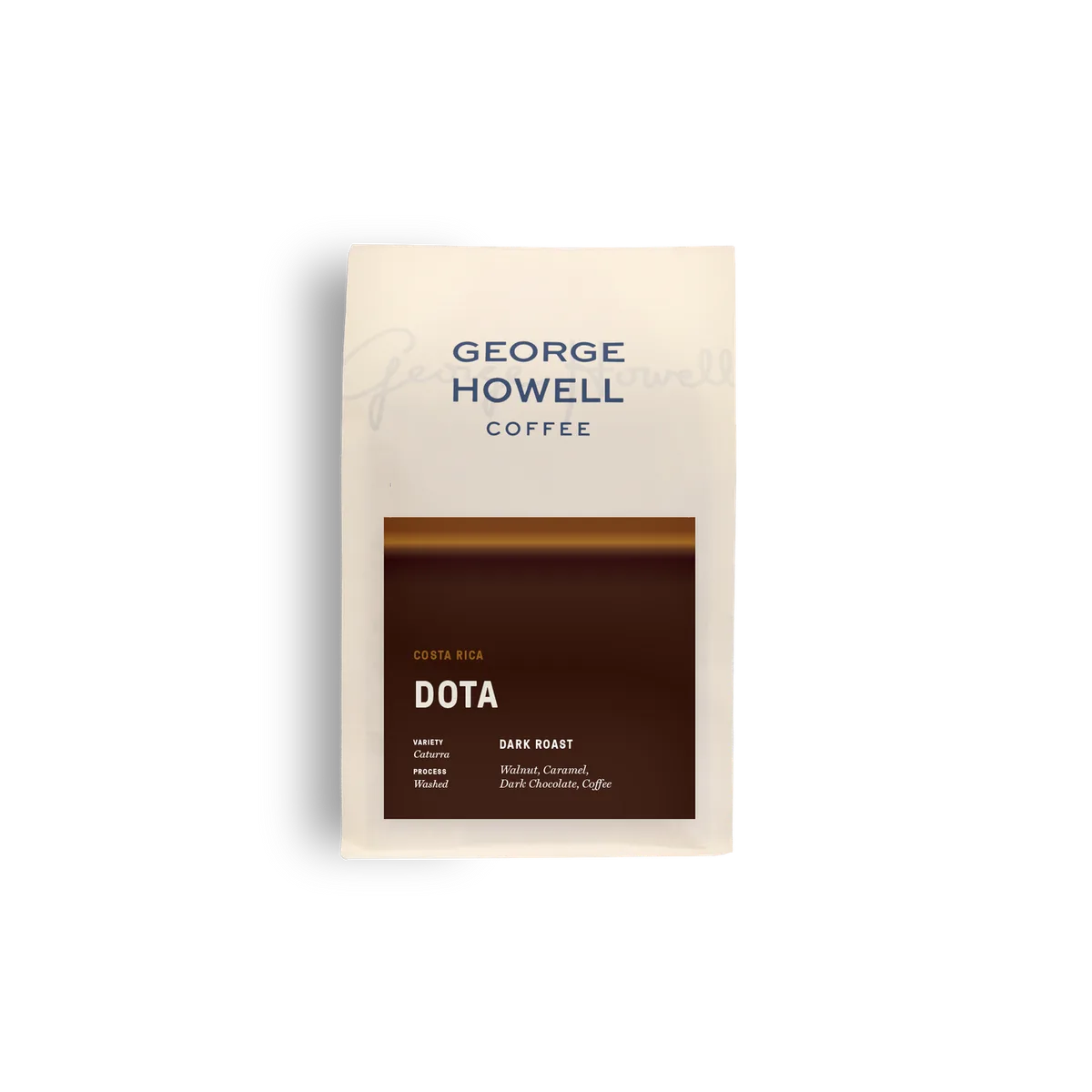
If you want more polish, step up to a dark-roasted Costa Rican. It keeps the chocolate and caramel but adds a cleaner nutty finish, and the darker roast stands up to the long immersion steep without going thin.
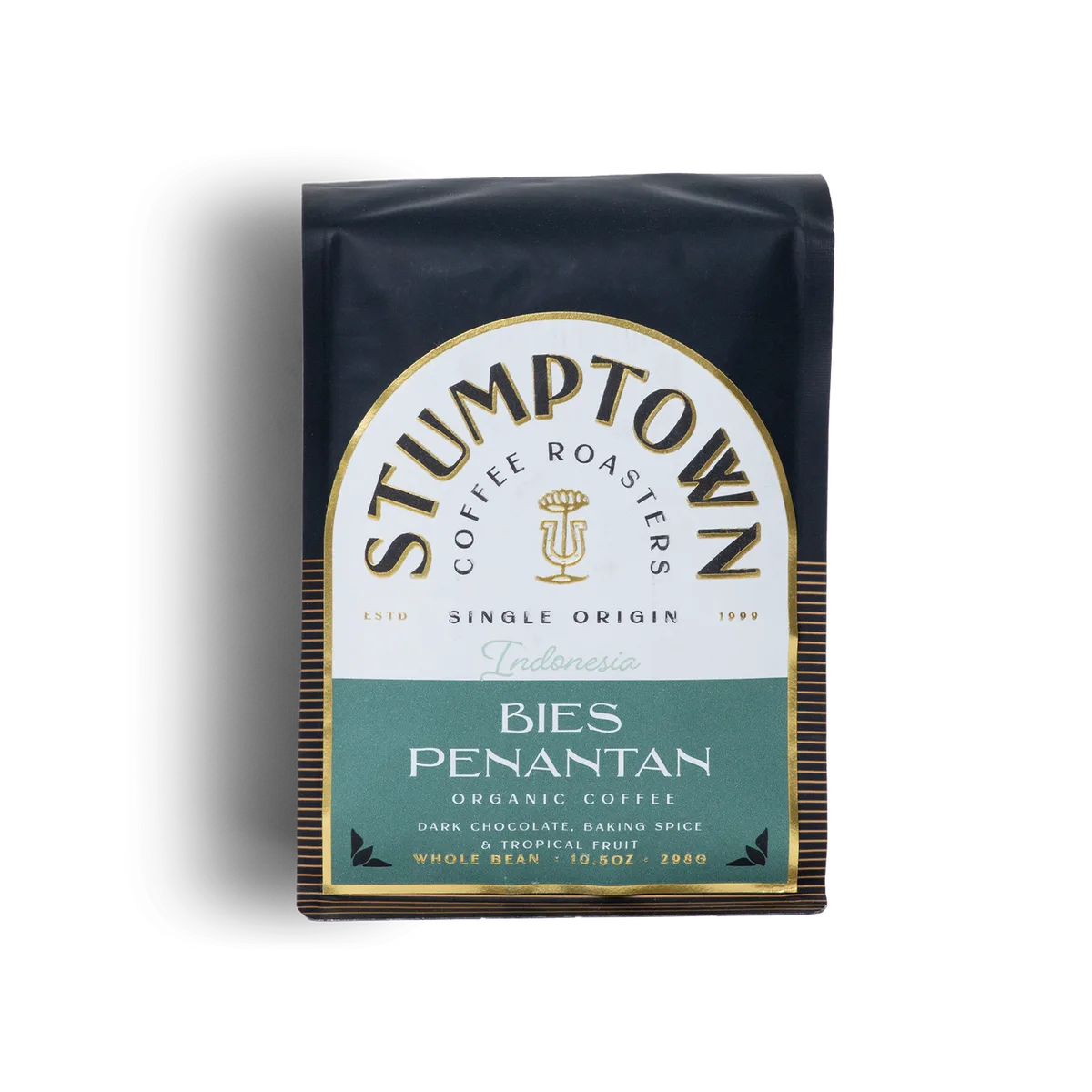
For the earthy, full-bodied camp, reach for a wet-hulled Indonesian. It trades brightness for a dense, savoury, chocolate-and-earth cup that the metal filter makes even rounder, and it is the closest thing here to the classic dark Sumatra press.
If you prefer to stay lighter, a nutty, chocolatey natural Brazil at a medium roast still works, as long as you grind coarse and keep the steep near four minutes. The point is matching the bean to the brewer, not chasing the darkest bag on the shelf.
One caveat on all of these: the catalogue refreshes and prices move, so stock and cost will shift. If none of the three is available when you look, use the decision helper or browse the full coffee list and filter for medium or dark roasts from Brazil, Colombia or Guatemala.
How to brew what you buy
Good beans only pay off with a sane recipe, so keep it simple. A ratio around 60 to 70 grams of coffee per litre of water is a solid start, which works out to roughly 30 grams for a two-cup press.
Use water just off the boil, around 92 to 96 °C, and pour it over the coarse grounds all at once. Give it a gentle stir after about a minute to sink the floating crust.
Let it steep for about four minutes total before you plunge. Press slowly and steadily; if it takes real force, your grind is too fine for next time.
One trick cuts the sediment that makes press coffee feel muddy. Skim the foam and floating grounds off the top before plunging, then pour gently and leave the last centimetre of sludge behind in the pot.
If the cup still tastes bitter, coarsen the grind before you touch anything else, then shorten the steep by thirty seconds. If it tastes thin and sour, the fix is the reverse: a slightly finer grind or a longer steep pulls more sweetness through.
For exact weights scaled to your press and your taste, run the numbers through our brew calculator, and if you want the step-by-step method it lives on the French press page. Buy fresh, grind coarse, and the rest is easy.