Coffee this week: robusta crashes 10% to a three-year low as Vietnam's crop lands
Robusta fell nearly 10% to its lowest in almost three years as Vietnam's new harvest arrived, arabica slipped despite a 27-year low in ICE stocks, and Luckin, Starbucks and Dunkin' all made moves.
Robusta was the headline this week, and the direction was straight down. Prices for the cheaper, robusta bean fell by nearly $100 a tonne to their lowest level in almost three years, a drop of around 10% across the week, as freshly harvested coffee from Vietnam began arriving in volume.
Arabica drifted lower too, even though the stocks picture stayed tight. For anyone buying coffee, this is the second force in a long tug of war: ample new supply pulling prices down, thin certified inventories holding them up. The supply side won this week.
The market
| Market | Price | This week |
|---|---|---|
| Arabica (ICE Mar) | 268.50 ¢/lb | -1.80% |
| Robusta (ICE Jan) | $2,881/tonne | -3.30% |
| ICO Composite | 246.56 ¢/lb | -1.02% |
| Colombian Milds (ICO) | 343.64 ¢/lb | +1.16% |
| Other Milds (ICO) | 324.63 ¢/lb | +1.13% |
| Brazilian Naturals (ICO) | 281.74 ¢/lb | +0.83% |
| Robustas (ICO) | 145.25 ¢/lb | -7.65% |
The ICO rows compare Thursday 19 November with Thursday 12 November; the ICO posts each day's prices on the next working day, and the Market page charts every series day by day. Source: International Coffee Organization (ICO) indicator prices.
Robusta did the heavy lifting on the downside. January 2027 robusta closed the week down $97, equal to 3.3%, at $2,881 a tonne, reaching its lowest in about two and three-quarter years and marking a tenth straight down session on Friday. The ICO's own robustas indicator fell 7.65% over its weekly window, the biggest move on the board.
The cause is the harvest. Newly picked coffee from Vietnam, the world's largest robusta grower, is coming to market in greater quantities and is expected to pick up pace by the end of this month. A weaker Brazilian real has also nudged exporters there to sell, adding to the flow.
Funds piled onto the move. The Commitment of Traders report released Friday showed money managers added 9,676 short positions in robusta in the week to 17 November, lifting the net short to 24,069 contracts, the most in nearly four years. That is a crowded bet on further falls.
Arabica was more of a round trip. Midweek the front contract jumped to around $2.80, its highest since early November and supported by tight inventories, before fading back. ICE arabica stocks have trended lower for eight months and hit a 27-year low of 186,414 bags on Monday, with Brazilian coffee arriving at warehouses but not yet landing in significant certified volumes.
For the shelf, none of this shows up overnight. Roasters buy months ahead, so a single week of falling futures rarely moves the price of your next bag, but a sustained slide in robusta does eventually ease the cost of commodity blends and instant coffee. Specialty prices, set by farm and quality rather than the exchange, barely flinch.
The longer-term weight is Brazil. StoneX raised its 2026/27 Brazilian crop estimate on Thursday to a record 75.3 million bags, up from 70.7 million in November, a forecast that keeps pressure on prices into next year. Separately, Brazil asked for a WTO dispute panel over US Section 301 tariffs, to be discussed on 24 November; coffee itself stays exempt from the duties, so your cup is not directly in the firing line.
Luckin broadens beyond coffee
The week's biggest company story came from China. On Tuesday, reports highlighted that Luckin is expanding well beyond coffee, adding light milk tea, fruit tea, yogurt drinks and stewed milk to its menu.
That is a real departure for a chain built on cheap, fast coffee. It reported a 17% rise in revenue and a 55.1% jump in operating profit in the third quarter, but same-store sales slipped, which is the number pushing the diversification.
For drinkers, Luckin matters because of scale. The Starbucks challenger is closing in on 40,000 stores, so a shift in its menu says something about where mass-market coffee demand is heading in its home market.
The read-across is simple: when a coffee giant hedges into tea and dairy drinks, it is betting that pure coffee growth is slowing at the value end. That does not change what a specialty roaster puts in your bag, but it shapes the industry those roasters sell into.
It is also a reminder that most of the world's coffee volume is commodity-grade, price-sensitive and sensitive to fashion. The specialty corner, where single farms and named lots live, plays by different rules.
Starbucks: Red Cup Day and a union push
It was a loud US week for Starbucks. Monday 17 November was its annual Red Cup Day, the holiday promotion that hands out special reusable cups and reliably draws long queues.
Against that, a union coffee truck tour began on 15 November, with stops at New York's City Hall and the Empire State Building, following a barista boycott call. The two events landed in the same week by design, one promotional, one protest.
For customers, the practical effect is noise rather than shortage: expect busy stores and some picket-line attention, not empty shelves. Labour tension around the holidays is becoming a seasonal fixture at the chain.
None of this touches green coffee prices directly. But it is part of why the gap between a $6 seasonal drink and a bag of single-origin beans keeps widening in how it is made and who makes it.
If the queues put you off, home brewing is the cheaper and often better answer. A simple pour over setup and a good bag will beat a rushed holiday cup, and the brew calculator takes the guesswork out of the ratio.
Dunkin' lands in Central Asia
Dunkin' made its Central Asia debut this week with a launch in Kazakhstan, reported on 16 November. It is a modest headline next to the price moves, but a notable new-market expansion for the chain.
New-market openings like this are how the big names chase growth when home markets mature. They rarely move the green coffee needle on their own.
They do, though, slowly lift baseline demand for commodity coffee, which matters when supply is swinging as hard as it did this week. Every new region is another set of cups to fill.
The timing is also telling. Chains tend to expand hardest when green prices soften, because a cheaper bean makes the economics of a new store easier to justify, and this week handed them exactly that.
Elsewhere in coffee
Equipment had a moment. On Thursday, Italian espresso machine maker Rocket Espresso opened a new retail concept inside Chronic Coffee Roasters in Geneva, with modular fixtures designed to fit different store sizes.
At origin, the news was heavier. A Brazilian cooperative, Cooabriel, faced a 16 November hearing over allegations it failed to prevent labour abuses on member farms, after an October order required stronger monitoring.
That case is a reminder that low prices and labour pressure travel together. When commodity prices fall, as robusta just did, the squeeze lands hardest on the people picking the cherries.
It is one reason paying up for a traceable, named lot is not just snobbery. A transparent supply chain is what lets a roaster tell you who grew the coffee and what they were paid, which is hard to do at commodity prices.
In leadership moves, Scott Snyder stepped away from Bad Ass Coffee, selling his ownership stake, reported on 20 November. And in the UK, the Manchester Coffee Festival ran 20 to 22 November with record ticket sales and more than 60 exhibitors.
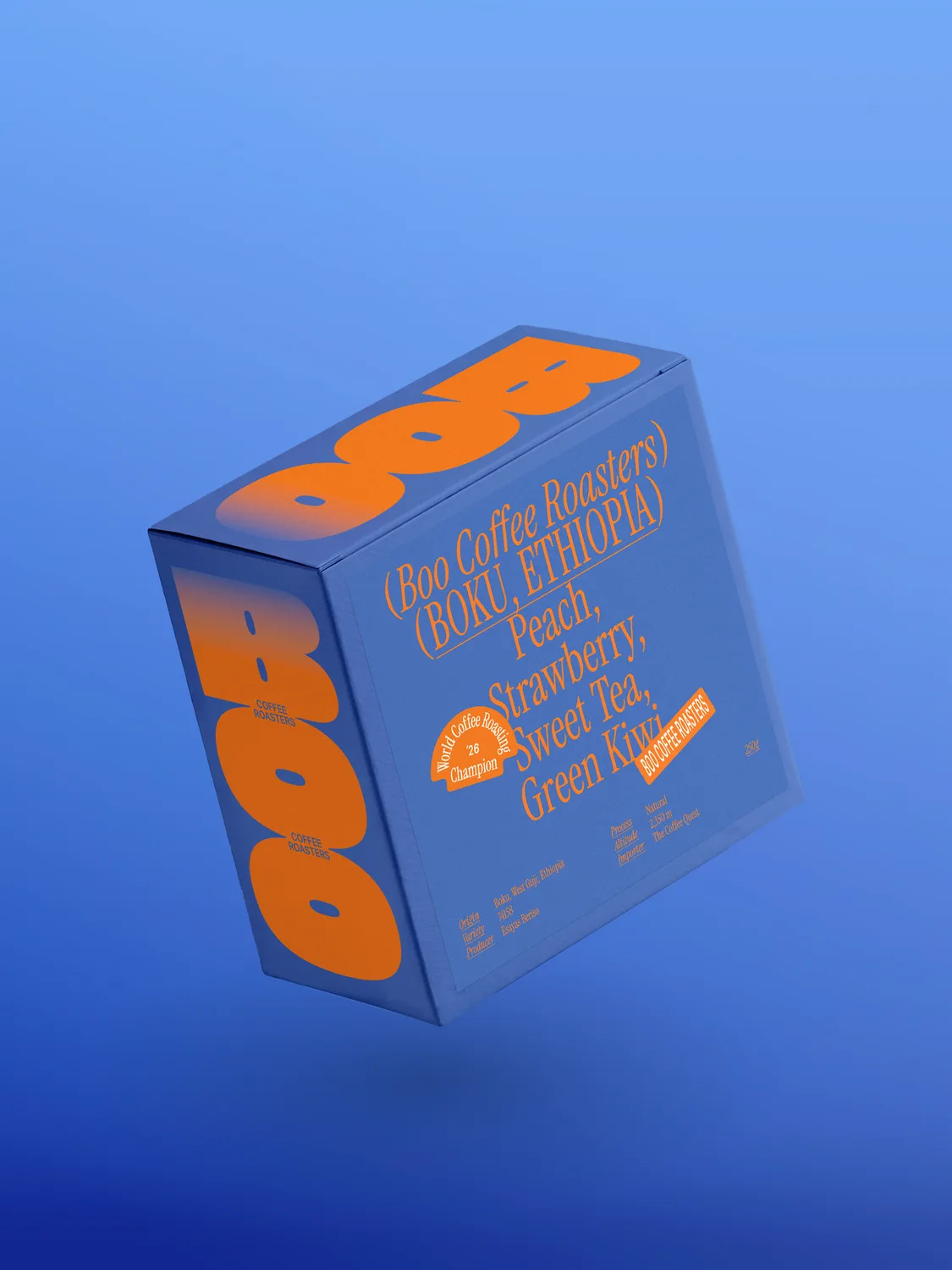
If the falling market has you curious about value, this is a good moment to explore clean, affordable lots rather than chasing trophy coffees. A bright, washed Ethiopia is a reliable place to start, and this natural-process bag is a friendly, fruit-forward example of what a modest budget buys right now.
What to watch next week
Two things. First, whether robusta's slide extends once Vietnam's harvest fully accelerates, and whether that near-record fund short unwinds in a snap-back rally.
Second, the WTO Dispute Settlement Body meeting on 24 November, where Brazil's tariff panel request is due to be discussed. Coffee stays exempt from the duties, so for drinkers the story is about trade friction, not your morning cup.
Keep half an eye on ICE arabica stocks, too. A 27-year low is a tight cushion, so if certified inventories keep draining while the Brazilian crop stays stuck outside warehouses, arabica could snap back even as robusta sinks.
For now, the takeaway is calm: supply is arriving, stocks are thin, and prices are caught between the two. Browse the catalogue or let the decision helper narrow it down while the market sorts itself out.