What is Sidra coffee? The variety that keeps beating Gesha
Sidra is a rare, competition-winning arabica from Ecuador with a cup as dazzling as Geisha. The catch: nobody quite agrees on what it genetically is.
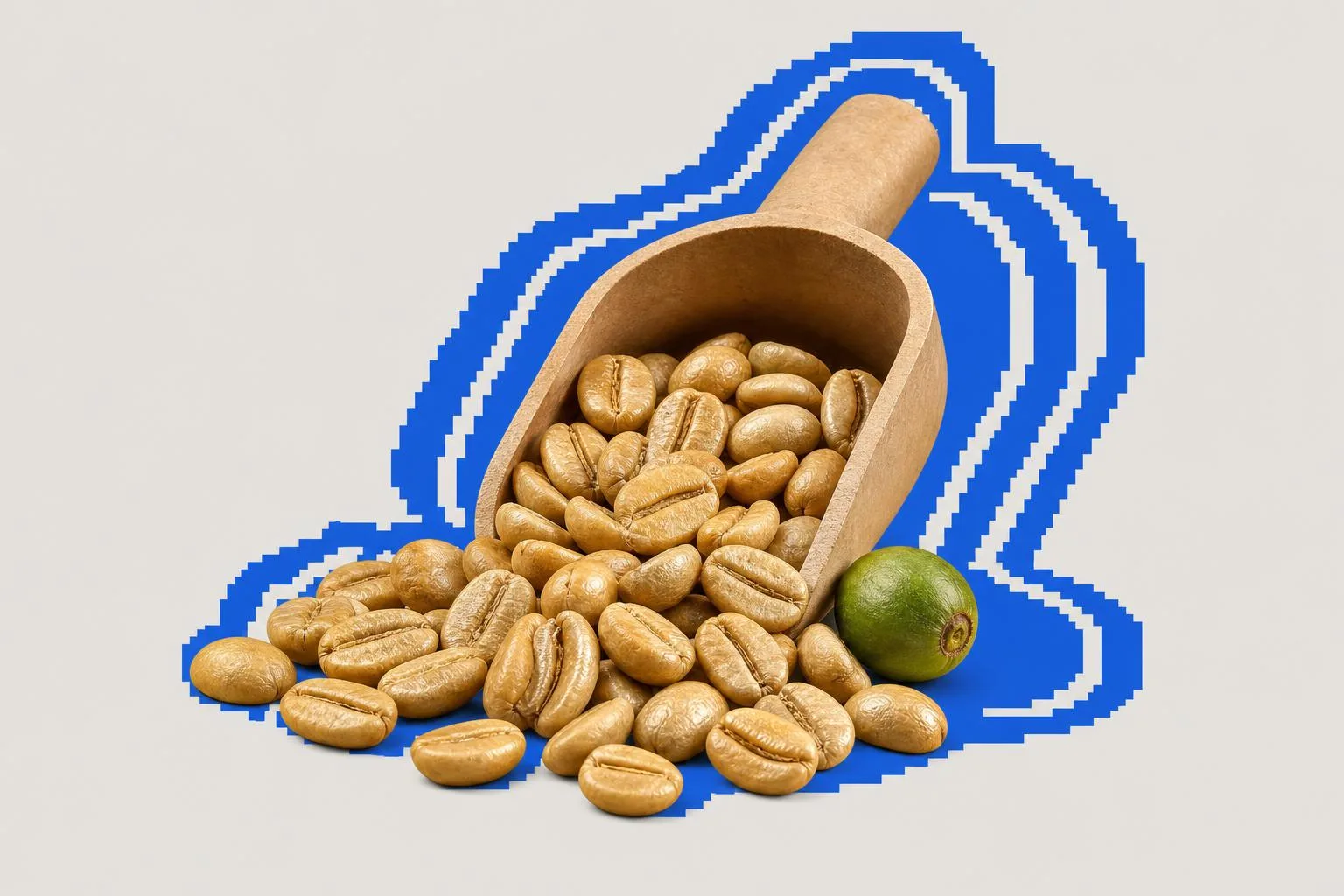
Sidra is a rare arabica variety that first appeared on farms in Ecuador and later spread to Colombia. It is prized for a cup that rivals Geisha: intensely floral, sweet and complex, often tasting like a very good washed Ethiopian coffee.
It has won the World Barista Championship twice, which is why some people call it the Gesha slayer. And here is the twist that makes it so interesting: nobody is entirely sure what Sidra actually is.
The popular story is that it is a cross of Red Bourbon and Typica. Genetic testing keeps pointing somewhere else entirely. That tension between a dazzling cup and a murky identity is the whole story of this coffee.
Where Sidra came from
Sidra, also written Bourbon Sidra or Sydra, first turned up on farms in the Pichincha province of Ecuador. From there it travelled north into Colombia, where much of today's celebrated Sidra is grown.
The origin legend ties it to a Nestle research lab and a field technician named Don Olger Rogel. The story goes that he spotted two seeds producing exceptional sensory profiles and helped distribute them to farms across Ecuador.
One of those seeds became Sidra. The other became Typica Mejorada, a sister variety that shares the same murky, improved-Typica heritage and shows up on a handful of Ecuadorian farms.
That lab-and-technician tale is worth holding at arm's length. Much of Sidra's backstory is oral history passed between farms and roasters, not documented breeding records, which is part of why the genetics are still argued over today.
One of the first farms to grow Sidra commercially was La Palma y El Tucan in Cundinamarca, Colombia. It planted around 1,800 trees in 2012, then added more than 4,000 more in 2015 as specialty interest grew.
Sidra thrives at altitude on volcanic soils, typically between 1,650 and 1,800 metres above sea level. That high, cool growing environment slows the cherries as they ripen, which is a big part of why the cup comes out so clean and perfumed.
The genetics mystery
The sweet-sounding origin story is a Red Bourbon crossed with Typica. In that telling, Sidra inherits Bourbon's sweetness and body and Typica's bright, high-toned acidity. It is a tidy explanation that fits the cup.
The problem is that genetic testing does not support it. When producers and roasters have sent Sidra samples to research institutions, results have consistently pointed to Ethiopian heirloom genetics rather than a Typica and Bourbon cross.
One roaster went further. Sey Coffee, working with producer Enrique Merino at Finca Lugmapata in Ecuador, stated flatly that their Sidra was an Ethiopian landrace variety, not a hybrid at all.
To complicate things, World Coffee Research has indicated that Sidra might encompass several different varieties travelling under one common name. That is a frequent occurrence in coffee, where a marketable label can get pinned onto more than one genetic type.
This matters more than it might sound. If two farms sell Sidra that are genetically different plants, the name on the bag stops being a reliable promise about what grew in the ground, and the cup becomes the only honest guide.
The cup itself quietly backs the Ethiopian theory. Sidra is routinely compared to high-quality washed Ethiopian coffees, all florals and delicate structure, which is exactly where the DNA keeps pointing.
Why it keeps winning championships
Sidra's reputation was built on a stage. At the 2019 World Barista Championship, Jooyeon Jeon placed first using a Sidra grown at La Palma y El Tucan in Colombia, with Cole Torode placing third on the same variety.
Three years later it did it again. When Anthony Douglas of Axil Coffee Roasters won the 2022 World Barista Championship in Melbourne, his team had tasted more than 100 coffees before settling on a Sidra.
That 2022 lot was an anaerobic natural from Nestor Lasso's Finca El Diviso in Huila, Colombia. Fermented for 80 hours before drying as a natural, it delivered intense cherry, blackberry and red wine notes that judges found unforgettable.
Its reach goes beyond the barista stage. World Brewers Cup 2023 winner Carlos Medina used a natural-processed Sidra from Cafe Granja La Esperanza in Colombia in his winning routine.
The pattern across those wins is telling. These are not casual choices: top competitors taste through dozens of coffees for a routine, and Sidra keeps surviving the cut because it reliably produces the kind of high-scoring cup judges remember.
Competitors reach for Sidra for the same reason they reach for Geisha: it gives them a cup that stops a judge mid-sip. The difference is that Sidra often does it with more body and a fuller, silkier texture.
How Sidra actually tastes
What makes Sidra special is how adaptable it is. Unlike Geisha, which tends to carry a very recognisable and consistent hallmark, Sidra responds much more to its environment and the way it is processed.
A washed Sidra from Ecuador leans towards clarity, floral lift and a clean citrus structure. It reads as elegant and almost tea-like, the quieter and more precise face of the variety.
A natural Sidra from Colombia is a different animal. It turns intensely fruity, sweet and almost jam-like, piling on berry and winey notes while keeping that underlying florality.
This is the real argument for Sidra over Geisha. Geisha hands you jasmine and bergamot almost regardless of how it is grown; Sidra is a blank, high-quality canvas that a skilled producer can push in several directions.
There is a flip side to that flexibility. Because so much of the final cup comes from processing, a lazily made Sidra can taste muddy or generic, where Geisha tends to show its class even in careless hands.
For a drinker, that means two Sidras can taste wildly different. Reading the process on the bag tells you more about what is in the cup than the variety name alone does.
The honest trade-offs
Sidra is not a free lunch for farmers. Its production is limited and demanding, because it is not a high-yielding variety and it needs specific care to perform.
That scarcity shows up in the price. Green micro-lots change hands at serious money: one current Ecuadorian Sidra, a natural from Finca La Comarca in Loja grown at 1,700 to 1,800 metres, carries a cupping score of 85.5 and a green price around 13 dollars a pound.
By the time a lot like that is roasted and bagged, you are paying competition-coffee prices. Sidra sits in the same bracket as Geisha and the rarest Panama lots, well above an everyday single origin.
Availability is the other catch. Because volumes are tiny and much of the best crop is bought up for competition, Sidra appears in roasters' line-ups in small, fast-selling drops rather than as a staple.
If you do find one, treat it as a special occasion rather than a daily driver. Brewing it badly wastes real money, so it rewards a careful, measured approach more than most coffees on the shelf.
There is also the honest uncertainty. When you buy Sidra you are buying a name whose exact genetics are still debated, so treat the cup, not the label, as the thing you are actually paying for.
What to drink while you track one down
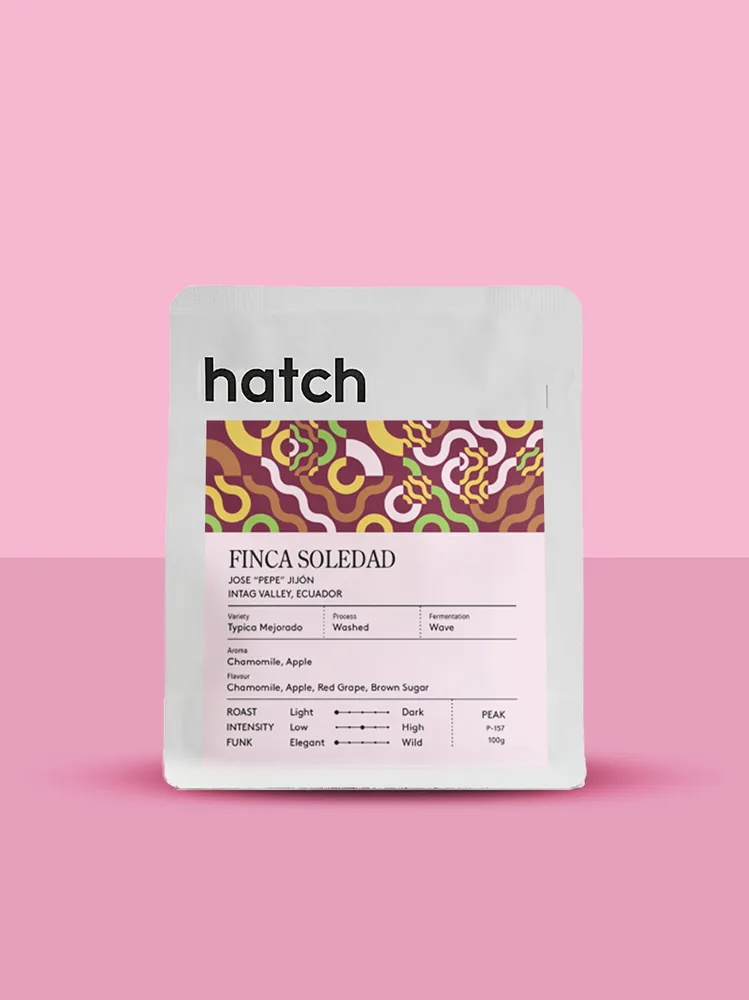
Sidra is rare enough that our catalogue does not have one in stock right now. The closest relative on the shelf is its sister variety, Typica Mejorada, from the same Ecuadorian legend and the same high volcanic ground.
This lot is grown at Finca Soledad in Ecuador and dried as a natural, and it shows the delicate, floral side of that improved-Typica family. It is the nearest thing to a Sidra preview we can point you at.
To understand the Gesha slayer nickname, it helps to taste the rival. A washed Geisha from Colombia gives you the jasmine-and-citrus hallmark that Sidra is measured against, and a clean benchmark for your own palate.
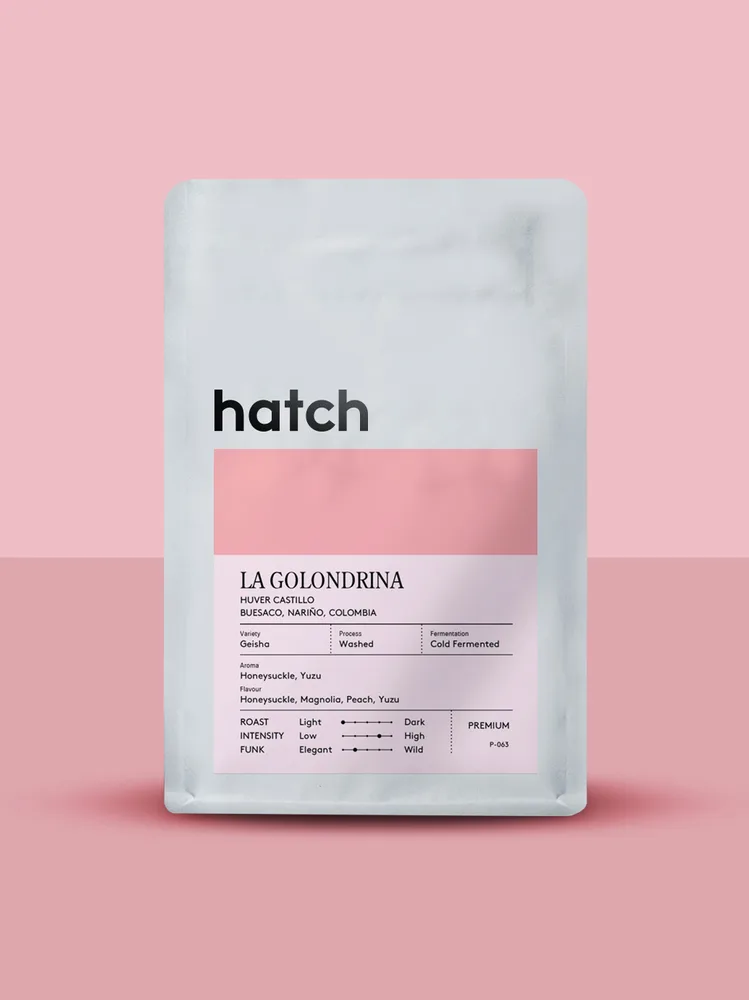
Tasting the two side by side is the fastest way to hear what people mean by the comparison. The Geisha will feel more fixed and perfumed; a Sidra, when you find one, often trades a little of that laser focus for extra body and sweetness.
If you want to chase a real Sidra, watch the small, high-end roasters and buy the moment one drops. Brew it on a pour over to keep the florals clear, start from our brew calculator for a clean ratio, and read the variety page before you commit.