Brew coffee with water between 90 and 96 °C, and aim for about 93 °C if you want one number to remember. That is the range the Specialty Coffee Association recommends, and it is where most beans give up their sugars and acids in balance without turning harsh.
Go much below 87 °C and you tend to under-extract: the cup comes out thin, weak and sour. Push past 96 °C, or straight to a rolling boil at 100 °C, and you start pulling bitter, acrid compounds and flattening the delicate acids that make good coffee taste alive.
That is the headline. The more useful truth is that temperature is a lever you tune, not a fixed rule, and it matters less on its own than most people assume. Let us unpack both.
Why temperature changes the cup
Hot water is a solvent, and heat speeds up how fast it dissolves flavour out of your grounds. The sugars, acids and aromatic oils in coffee come out at different rates, and temperature shifts the balance between them.
Cooler water is lazy. It pulls the bright, fruity acids first and struggles to reach the sweeter, heavier compounds, so an under-extracted brew reads as sharp and hollow.
Hotter water is aggressive. It keeps extracting past the sweet spot into the bitter, woody, drying compounds, which is why a brew made with boiling water can taste ashy even from good beans. The window between those two failures is your 90 to 96 °C target.
The official version is precise: the SCA Golden Cup standard lists 93 °C give or take 2 °C, and its certification asks brewers to reach 92 °C within the first minute, hold it, and never exceed 96 °C. That is a tight band, and it exists because the same coffee genuinely tastes different across it when nothing else changes.
Match the temperature to your roast
Roast level shifts where inside that window you should aim, and this is the single most useful adjustment you can make. It comes down to the physical structure of the bean.
Dark roasts are brittle and porous. They took more heat, and the carbon dioxide driven off during roasting leaves the cells riddled with holes, so water floods in and extraction runs fast. Brew them at the cool end, 90 to 93 °C, and they stay smooth; go hotter and they turn bitter quickly.
Light roasts are the opposite. They are dense, tight and slow to release their sugars, so they need the hot end, 94 to 96 °C, to extract fully and taste sweet rather than sharp. This is why a lot of specialty coffee tastes sour when people brew it too cool.
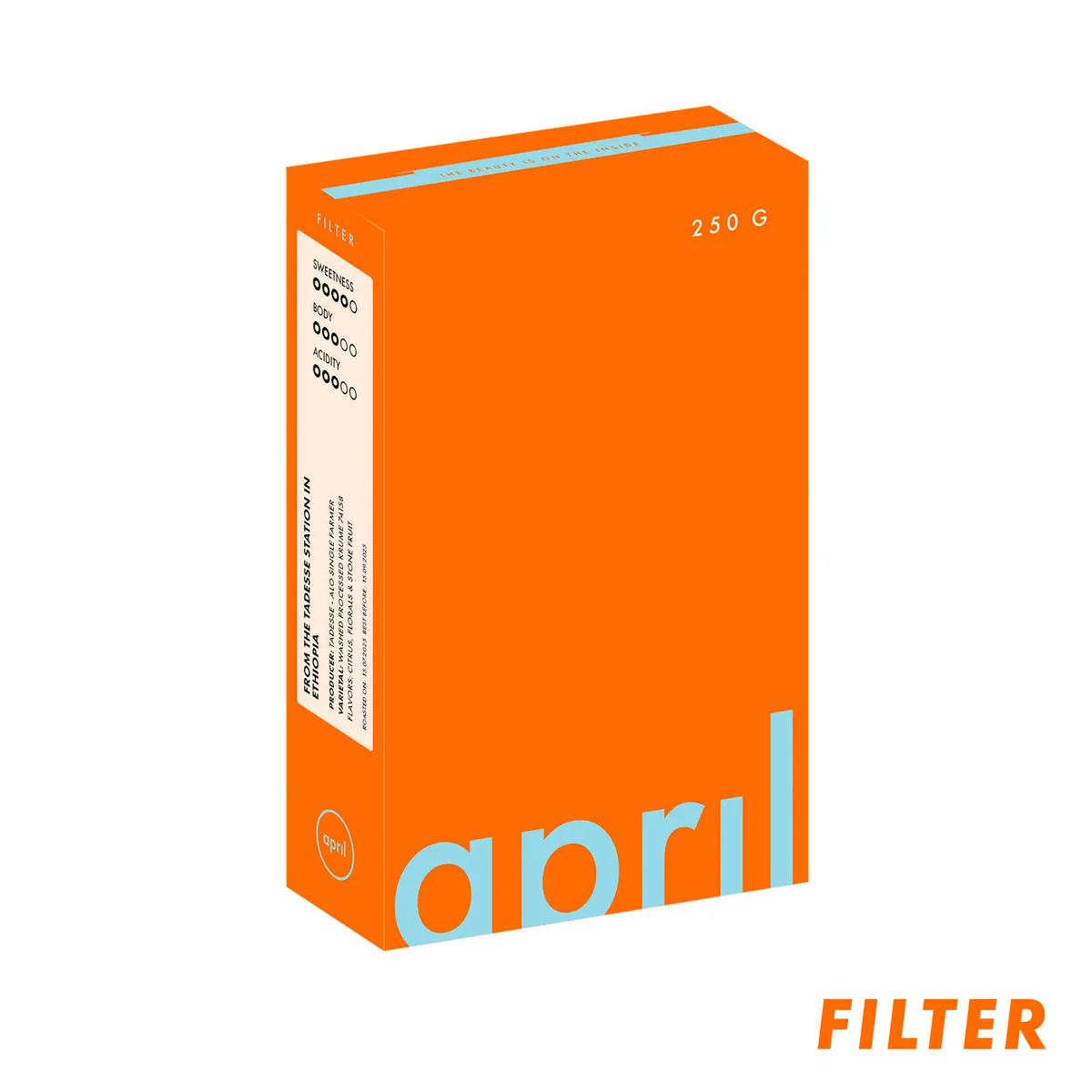
A dense light roast from a high-grown origin like Ethiopia or Kenya rewards near-boiling water. This washed Krume lot is exactly the kind of bright, tightly structured coffee that wants heat to bloom into its stone-fruit and floral notes.
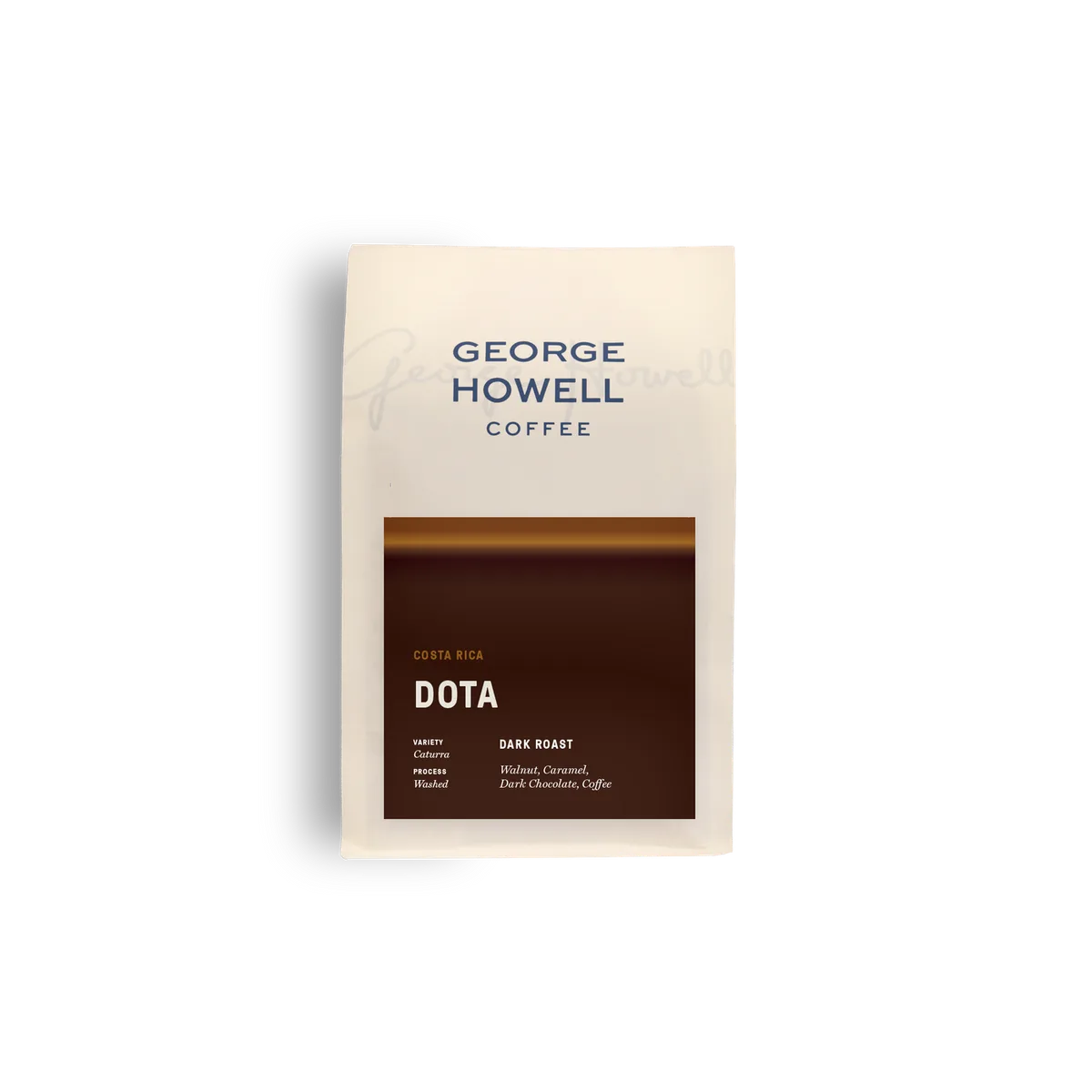
If you drink darker, a lower temperature keeps things gentle. A classic chocolatey dark roast like this Costa Rican stays round and sweet at the cooler end instead of tipping into bitterness.
The honest truth: it matters less than you think
Here is the part the internet often skips. In a peer-reviewed study, coffees brewed at temperatures as low as 87 °C were indistinguishable from those brewed at 93 °C, as long as the grind size, brew ratio and flow rate were adjusted to hold the strength and extraction constant.
That is the key phrase: held constant. Temperature is one of several dials that all push extraction in the same direction. If you cool your water, you can grind a touch finer or brew a little longer and land in the same place.
So if your coffee is already tasting good, do not obsess over a degree or two. Grind size and brew ratio do far more heavy lifting than the last few degrees on your kettle, and chasing an exact number is where a lot of home brewers waste effort.
The catch is when you change temperature without rebalancing anything else. In an espresso study that varied water between 88 and 98 °C with nothing else adjusted, hotter water predictably raised strength and extraction and produced more acrid, roasty, bitter and sour attributes. Temperature bites hard only when it is the sole thing moving.
Brew methods that break the rule
A few methods run outside the standard window on purpose, and it helps to know why.
Espresso is measured differently. The temperature at the puck is lower than the boiler setting: a machine set to 93 °C might deliver water at 88 to 92 °C at the group head, depending on design. That is normal, not a fault.
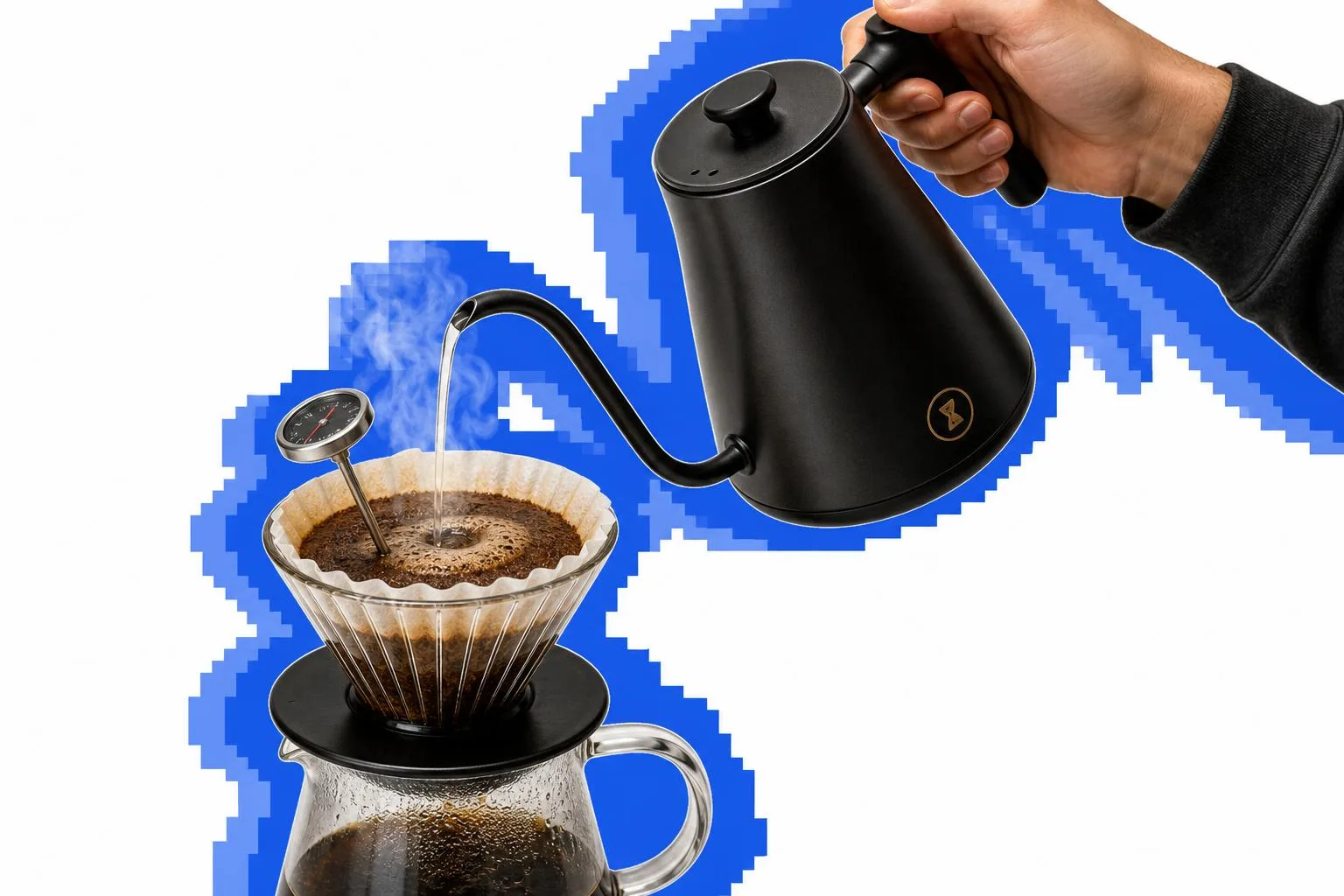
Pour over loses heat as you go. Each pour drops the brew water by roughly 2 to 3 °C as it hits the grounds and the cold vessel, so many baristas start at 94 to 96 °C to compensate. If you use a cool dripper and a slow pour, start hotter than you think you need.
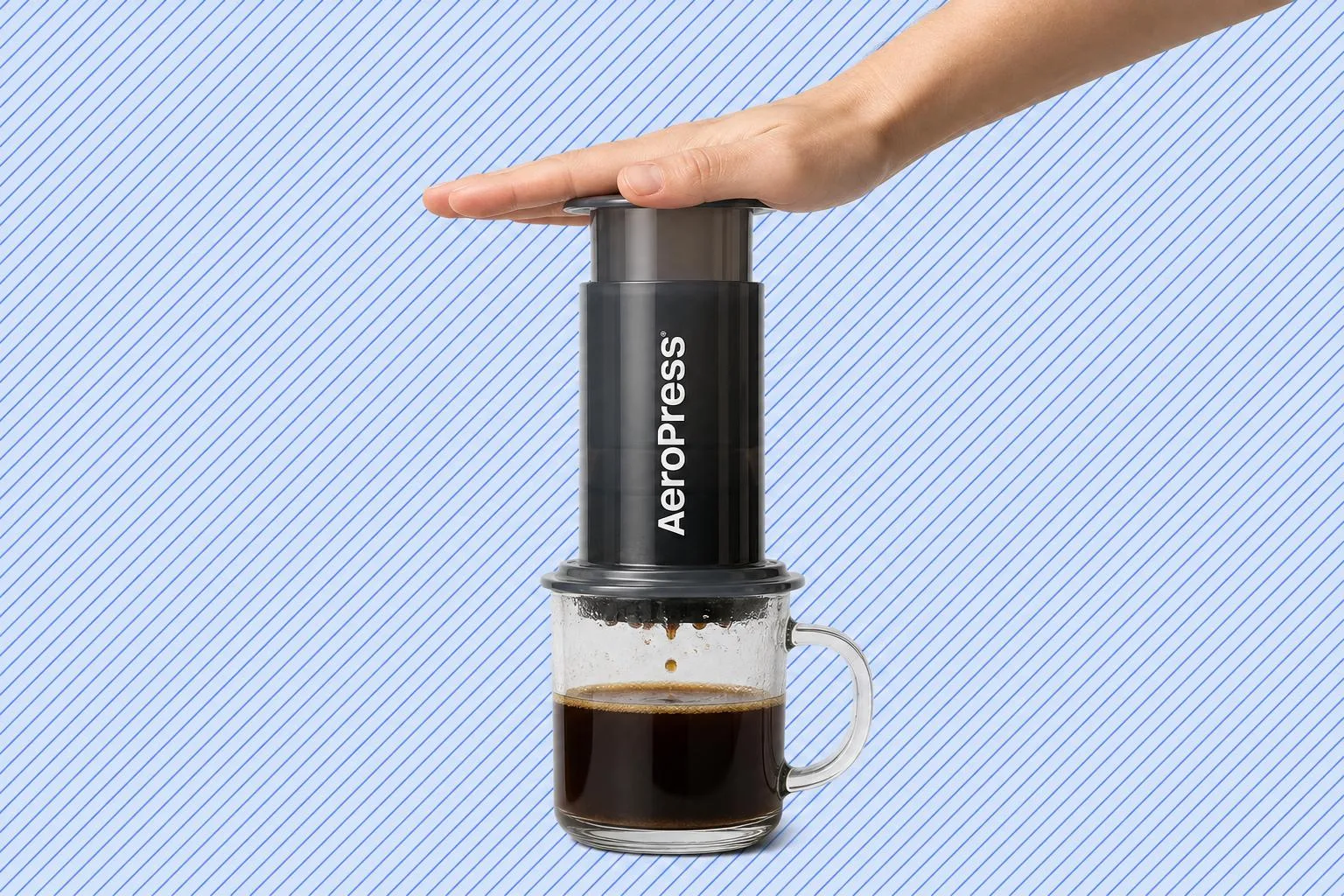
The AeroPress is the happy exception. Lower temperatures of 80 to 85 °C can produce genuinely interesting results with light roasts, exploiting selective acid extraction. Done deliberately and kept in balance, that is not under-extraction, it is a technique worth playing with once your standard recipe is solid.
Altitude changes the boiling point
One thing outside your control: where you live. Water boils cooler at altitude because there is less air pressure holding it in the liquid state, so "just off the boil" means something different up a mountain.
At around 4,300 feet, water boils near 205 °F (96 °C) rather than 212 °F (100 °C). One roaster at that elevation recommends brewing around 194 °F (90 °C) to account for it.
If you are high up, your kettle simply cannot reach the numbers a sea-level guide assumes. Brew closer to a full boil there, and lean on a finer grind or longer contact time to make up the extraction you lose to the lower ceiling.
No thermometer? Do this
You do not need a fancy kettle. Boil your water, then take the lid off and let it stand for about 30 seconds before you pour.
That short rest brings a rolling boil down into the 92 to 96 °C range for most kitchens at normal altitude, which is exactly where you want to be. It is the simplest fix there is, and it stops the harshness that neat boiling water causes.
If you brew light roasts, pour almost straight away while the water is still very hot. If you brew dark, let it rest a little longer so the water is clearly off the boil before it touches the grounds.
Troubleshoot by taste, not by numbers
Your tongue is a better guide than any gauge, because it tells you the result of everything at once. Use temperature as a corrective lever after you taste, not as a target to hit for its own sake.
- Bitter, dry, harsh? You are likely over-extracting. Drop your water temperature by a few degrees, or grind coarser.
- Sour, thin, weak? You are likely under-extracting. Raise the temperature, or grind finer and brew a touch longer.
Change one thing at a time so you can tell what did the work. A five-degree shift is enough to notice; you rarely need more than that in either direction.
And remember that temperature rides alongside grind, ratio and time. The brew calculator helps you set a sensible ratio first, so temperature becomes a fine-tuning tool rather than a rescue mission.
What to do first
Start at 93 °C, or boil and rest for 30 seconds if you have no thermometer. Nudge hotter for dense light roasts, cooler for dark roasts, and let taste settle the last few degrees.
Then stop worrying about it. Once your grind and ratio are dialled in, temperature is the smallest of your three levers, and a good cup lives comfortably within that 90 to 96 °C window. Browse the full catalogue to find a roast worth pouring over.