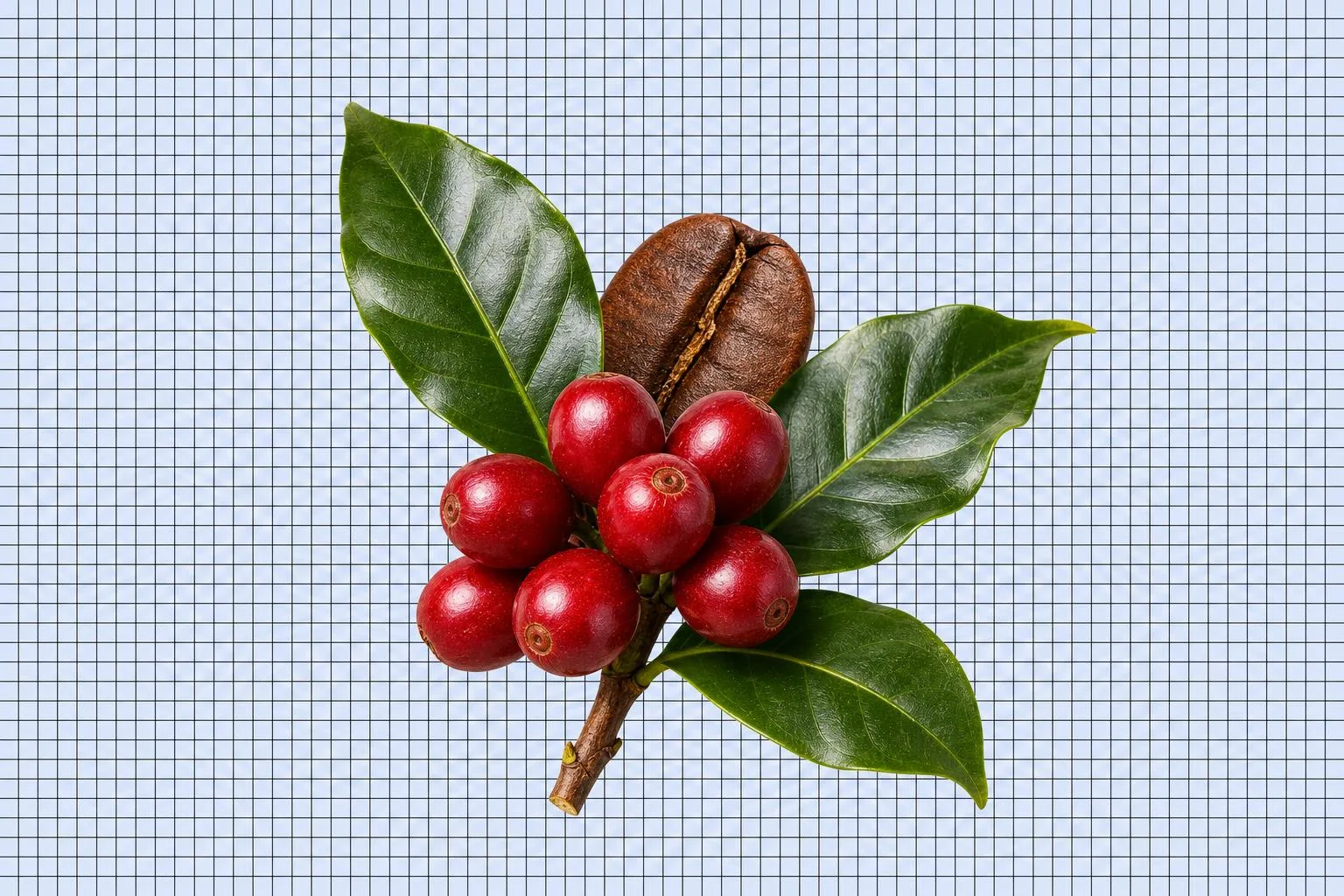
Yes, coffee is now being grown and harvested in Italy, for the first time. On the outskirts of Palermo, in Sicily, the Morettino family has produced Arabica beans that were grown, picked and processed entirely on home soil.
It is a tiny crop with an outsized story. Roughly 100 kilograms of cherries yielded just over 15 kilograms of roasted coffee, so nobody is about to find a Sicilian single origin on the supermarket shelf. What makes it matter is the reason it is possible at all: a climate warm enough, for long enough, to carry coffee trees through a Mediterranean year.
What actually happened in Palermo
The plantation sits in the San Lorenzo ai Colli area, a few hundred metres above sea level, on the Morettino estate. The family has roasted coffee in Palermo for a century, and the harvest was first reported by the Italian daily La Stampa.
The experimental field is small: about 300 square metres holding 25 Arabica trees of different ages and varieties. Among them are Ethiopian heirloom types alongside Caturra, Pacamara, Catuaí and both Red and Yellow Bourbon.
That spread of varieties is telling. Rather than betting on one cultivar, the family planted a small living laboratory to see which trees cope best with Sicilian heat, soil and seasons. It is the sort of trial you run when you genuinely do not know what will work.
This is described as the only European coffee, and the northernmost compared to the traditional Coffee Belt, the band of tropical latitudes where almost all Arabica is usually grown. The project involves the University and the Botanical Garden of Palermo, studying how tropical crops adapt to a shifting Mediterranean climate.
Why it only works now
The idea is not new. In the early 20th century, Palermo's Botanical Garden tried to cultivate Coffea arabica plants, but the harsh winters of the time killed them off.
Arabica is fussy about temperature. It dislikes frost, it dislikes sustained heat above its comfort zone, and it needs a long, mild stretch to flower, set fruit and ripen cherries. Sicilian winters used to be the problem.
That has changed. The Morettinos began planting Arabica seeds from the Botanical Garden in the 1990s, and as conditions warmed their yields climbed from a mere few kilograms to the 100 kilograms seen in 2023.
The backdrop is stark. The summer of 2021 set a record in Sicily, with the highest temperature ever measured in Europe: 48.8 °C in Syracuse. The same warming that stresses farms in the tropics is, for now, making the far edge of the Mediterranean just about habitable for coffee.
There is a hard limit lurking here, though. Push temperatures too high and Arabica stops being happy and starts being stressed, dropping flowers and ripening fruit unevenly. A record-breaking summer is a warning as much as an opportunity.
What the Sicilian coffee tastes like
Early reports give this coffee a distinctive character. The Palermo beans develop aromatic notes reminiscent of raisins, setting them apart from coffee grown in more conventional origins.
Tasting an earlier Sicilian crop, the Morettinos found Zibibbo grape and carob notes, with aromas of plumeria flowers and panela sugar. That is a cup that leans sweet, floral and dried-fruit heavy rather than bright and citric.
Treat those notes as early sketches, not a settled profile. With 25 trees of mixed varieties and ages, and only a handful of harvests behind it, the flavour will shift as the plants mature and the family learns how to grow and process on this terroir.
That is normal for any young origin. The first few harvests from a new growing region tell you what is possible, not what the coffee will eventually become once farmers settle on varieties, picking standards and a processing recipe.
A thousand euros a kilo, and why that is not a market
Scarcity has a price. Some buyers have reportedly offered up to a thousand euros for a single kilogram of the Sicilian coffee.
That number tells you this is a curiosity, not a commodity. A field this size, feeding into a crop measured in tens of kilograms, cannot supply a cafe, let alone a country. The value here is scientific and symbolic.
It is worth being honest about scale. Italy drinks enormous volumes of coffee and grows essentially none of it commercially; a 15 kilogram roast does not change that in any practical way. What it changes is the mental map of where coffee can physically live.
Heat is only half the problem: water
The easy headline is that warming lets coffee move north. The harder truth is that heat is not the only constraint, and water may be the one that bites.
Processing coffee after harvest is thirsty work. Depending on the method, it can take between 50 and 200 litres of water for every kilogram of green coffee, mostly in washing and fermentation.
The cleaner, brighter washed process is especially water-hungry, which is one reason dry natural methods appeal where water is scarce. If coffee growing spreads into regions where seasonal drought is becoming endemic, as it is across much of the Mediterranean, cutting water use in both farming and processing stops being optional.
So the same climate trend that opens a door in Sicily is quietly slamming others shut. A place can get warm enough for coffee and still be too dry to process it sustainably.
Sicily is not alone
The Palermo harvest fits a wider pattern of experiments at the edges of the coffee world. Before the Morettino project, a nearby farm in Terrasini, also in the Palermo area, grew coffee entirely inside greenhouses.
Further afield, traditional coffee-drinking regions with no growing history are trying their hand too. There have been research and development efforts in California and Florida, as a changing climate threatens to redraw agricultural maps everywhere.
None of these is going to replace established origins. Brazil, Colombia and Ethiopia remain the backbone of what ends up in your cup, and they will for the foreseeable future. The frontier experiments matter as evidence, not as supply.
What it means for your cup
In the short term, nothing lands in your grinder from Sicily. You will not be buying Palermo Arabica, and if you somehow could, the price would be absurd for what is still a young, experimental coffee.
The longer signal is the one to hold onto. Coffee is a climate crop, and the regions that grow it are already under pressure from the same warming that made a Sicilian harvest thinkable. That pressure is a big part of why specialty prices have climbed in recent years.
If the Sicily story makes you curious about the varieties on trial there, the most accessible way in is to taste them from origins that have grown them for decades. Pacamara, one of the varieties planted in Palermo, is a bold, oversized El Salvadoran bean that shows exactly how much personality a single variety can carry.
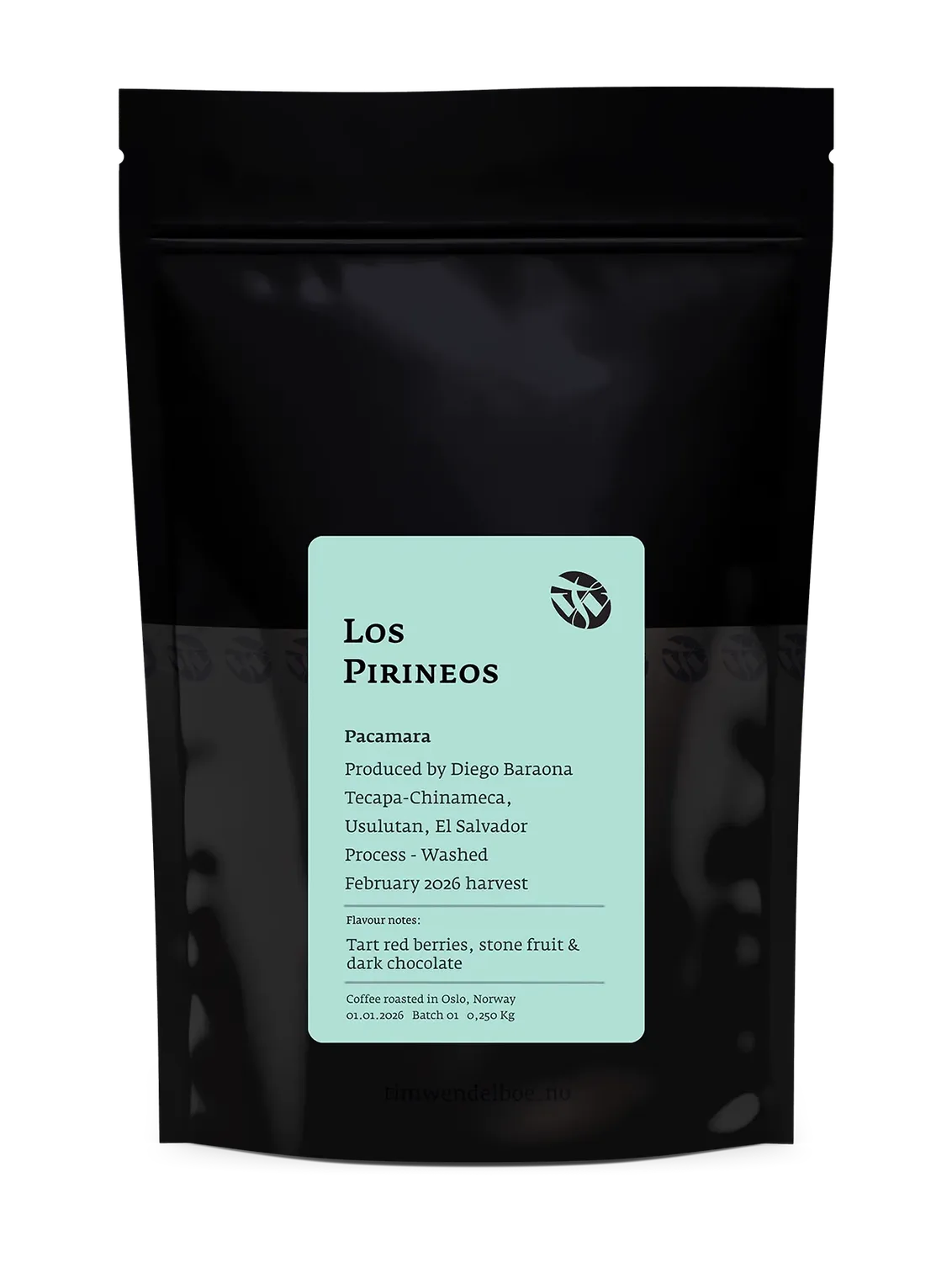
The heirloom types in that Sicilian field trace straight back to Ethiopia, and a natural Ethiopian is the clearest way to understand the dried-fruit, winey character the Morettinos described. That raisin and grape note is native territory for naturals from the birthplace of Arabica.

The bottom line
So, is coffee grown in Italy? Yes, now, in one small Sicilian field, and that is genuinely new.
It is a milestone worth noticing precisely because it is so modest. A century after Palermo's winters killed the first attempt, a warmer climate has let the trees survive, flower and fruit, and the harvest is real rather than theoretical.
Start by exploring the varieties and origins behind the beans in your own cupboard; that is where coffee's climate story is being written at scale. The Sicilian harvest is a fascinating footnote, and a reminder that the map we take for granted is already moving.