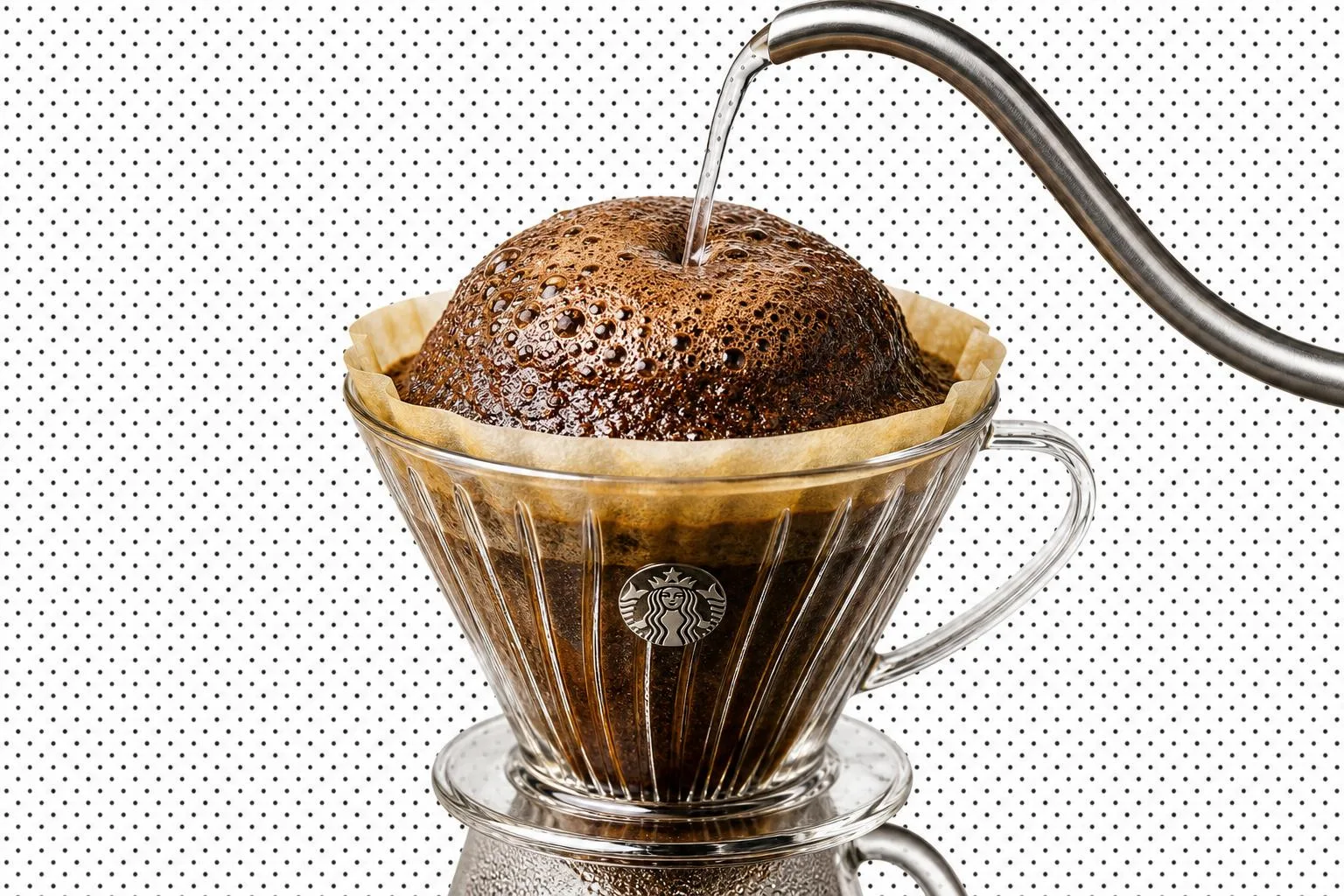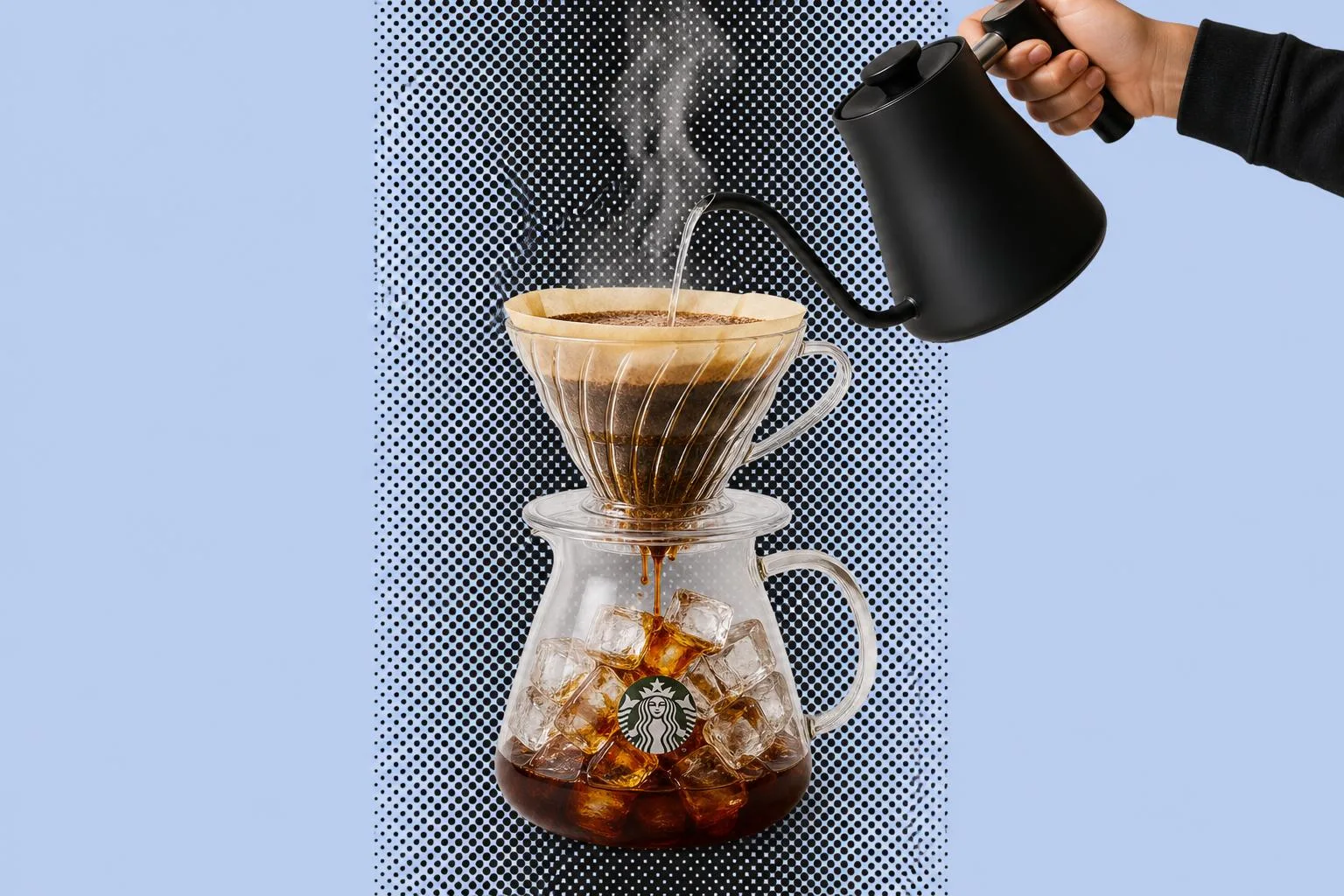
Japanese iced coffee, often called flash brew, is a hot pour over that drips straight onto ice instead of into an empty carafe. You brew with roughly half the usual water, and the ice makes up the rest as it melts.
That is the whole trick. The hot water pulls aroma, sweetness and acidity out of the grounds efficiently, and the ice chills the cup instantly, locking in the delicate notes that slow cooling would blur. The result is a clean, bright iced coffee ready in about five minutes.
The one rule that makes or breaks it: the ice is part of your water, not an extra on top. Count its weight, or you will over-dilute the cup.
The ratio, in plain numbers
Start from a normal pour-over ratio of 1:15, which means one gram of coffee to fifteen grams of water. For a 300 g iced coffee, that is 20 g of coffee and 300 g of total water.
Now split the water. Use 150 g as hot water poured through the grounds, and put 150 g of ice in the carafe underneath. Half liquid, half ice.
While it brews, the hot coffee is a concentrate at roughly 1:7.5, about twice the strength of a normal cup. That is deliberate. The meltwater dilutes it straight back to drinking strength.
If you prefer a quick rule for an existing recipe, replace about 40% of your usual water with ice placed in the carafe. The total of hot water plus ice weight should match what you would normally use for that dose of coffee.
A kitchen scale makes all of this painless, and the brew calculator will scale any ratio to the cup size you want.
A single-cup recipe to start with
For one mug, weigh out 15 g of coffee and grind it slightly finer than you would for a hot pour-over. The smaller water volume needs a little more surface area to extract well.
Put 100 g of ice in the carafe or mug before you start, directly under the dripper. Set your dripper and filter on top, rinse the paper, and add the grounds.
Heat 150 g of water to around 94 °C, which is just off the boil. That gives you 250 g total, a 1:16.7 ratio on paper, even though the hot phase only sees 150 g at a strong 1:10.
Bloom first. Pour just enough water to wet all the grounds, about twice the coffee weight, so around 30 g here. Wait 30 to 45 seconds while the bed puffs up and releases trapped gas.
Then pour the rest in slow, steady spirals, keeping the bed level, until you hit your target weight. The whole pour should finish in two to three minutes.
Finish by swirling
When the drip stops, swirl the carafe. The hot coffee is still melting the ice, and swirling speeds that along while cooling the brew faster.
Keep swirling gently until every piece of ice has gone. If a little ice stubbornly survives, that is fine: pour over a fresh glass of ice to serve, and the dilution is already accounted for in the recipe.
Taste before you add anything. A good flash brew is bright and juicy on its own, and often needs no milk or sugar at all.
Dialling strength up or down
The split between hot water and ice is yours to move, as long as the two still add up to your total. Want a stronger, more intense cup? Pour more hot water and use less ice.
For that stronger version at 300 g total, try 200 g of hot water over 100 g of ice. More of the extraction happens in the brewer, so the cup lands punchier.
Want it lighter and more refreshing? Flip it: 100 g of hot water over 200 g of ice gives a longer, more delicate drink.
A generous cafe-style glass works well at 20 g of medium-fine coffee, 180 g of hot water and 120 g of ice. The hot water extracts the aroma and sweetness while the ice cools it on contact.
If a cup tastes thin or sour, go a touch finer or slow the pour; if it tastes harsh or drying, coarsen up slightly. These are the same two dials as any pour over, just with ice waiting below.
Why it stays so aromatic
Hot water, somewhere around 195 to 205 °F, is simply better at dissolving the compounds that make coffee taste of something. It reaches acids, sugars and aromatic molecules that cold water struggles to pull out.
Those aromatic molecules are volatile, meaning they drift off as vapour. In a normal hot cup left to cool slowly, a lot of them escape before you drink it.
Flash brew cheats that loss. By chilling the coffee the instant it is brewed, the ice traps the volatiles in the liquid, preserving the floral, fruity and citrus notes you paid for.
That is why flash brew tastes closer to a great hot pour over than to any other iced coffee. It is the same extraction, just frozen in place.
Flash brew is not the same as cold brew
Cold brew steeps grounds in cold water for 12 to 24 hours. Flash brew is done in about five minutes, and you drink it the same day.
The flavour profiles diverge too. Cold brew is smooth, heavy and mellow; flash brew is bright, light and aromatic, with the acidity left intact.
One honest myth to retire: cold brew is often sold as dramatically less acidic. In a peer-reviewed study of the two methods, pH values were similar, ranging from 4.85 to 5.13, and the hot-brewed coffee actually had higher measurable acids and antioxidant activity.
So flash brew is not a harsh, acidic shock. It is simply a cup that keeps the lively acidity many specialty coffees are prized for. On caffeine, the two land in a similar place: a flash brew at 1:15 is about as strong as a standard drip coffee served over ice.
Which beans to use
Flash brew rewards light, fruity, single-origin coffees. The method keeps aromatics alive, so a coffee with jasmine, citrus or berry character will sing where a flat, dark blend would fall silent.
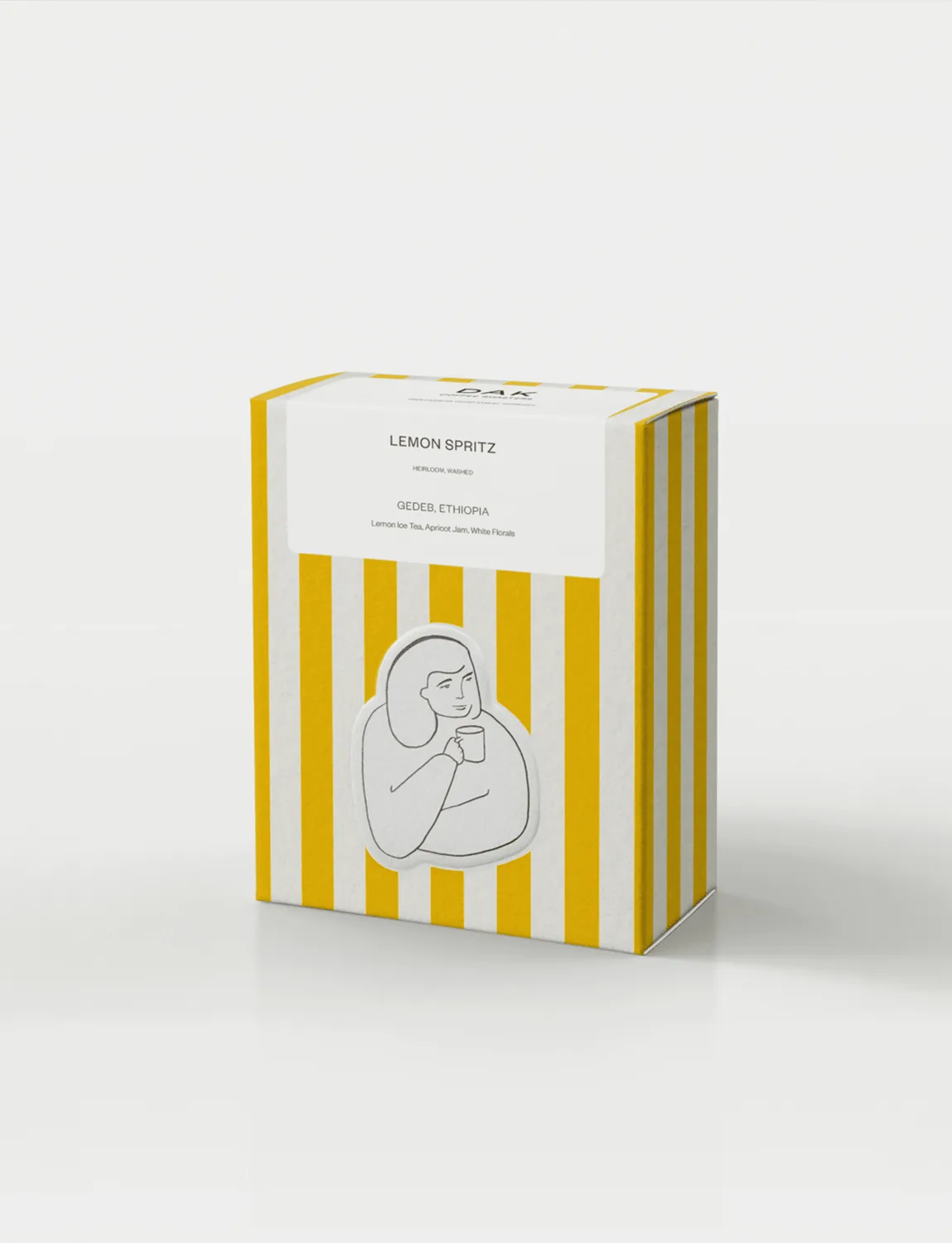
Washed Ethiopia is the classic pick: clean, floral and tea-like, exactly the kind of delicacy flash brew protects. This bright, lemony washed lot is built for it.
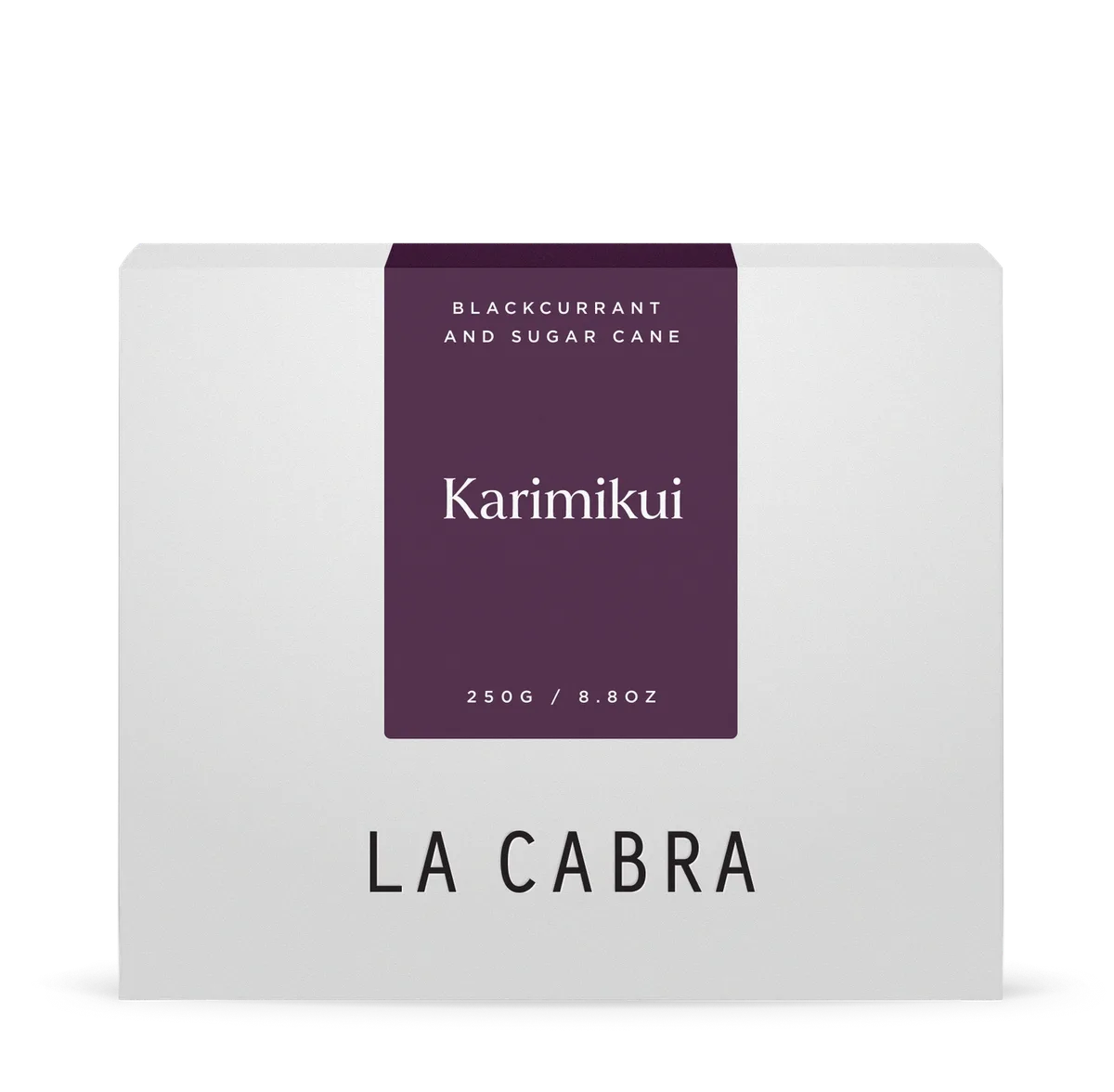
Kenya is the other natural fit. Its blackcurrant and juicy acidity turn vivid over ice, and this washed lot has the structure to carry the dilution without thinning out.
Fruity natural coffees work beautifully too, and if you want to explore, the coffees list and the decide helper can narrow things by flavour and process.
Common mistakes to avoid
The big one is brewing a normal hot cup and dropping ice on top. If you pour 300 g of hot water through the grounds and then add ice, the meltwater piles on extra dilution and the result is watery.
The fix is always the same: subtract the ice weight from your water before you brew. Hot water plus ice should equal your usual total, never more.
Do not skip the finer grind on small single-cup batches. With less water passing through, a slightly finer setting keeps the extraction from running weak.
And do not skip the bloom. Thirty to forty-five seconds of pre-wetting releases gas and lets the later pours extract evenly, which matters even more when water is tight.
Last, use clean ice from filtered water if you can. It becomes a third of your drink, so bad-tasting ice means a bad-tasting coffee.
Where to start
Brew the single-cup recipe first: 15 g coffee ground a little finer, 150 g water at 94 °C over 100 g of ice, bloom for 30 seconds, then swirl until the ice is gone. Taste, then move the hot-to-ice split to suit your mood.
If you already have a pour-over routine, just swap 40% of the water for ice in the carafe and keep everything else the same. From there, scale any size with the brew calculator and reach for a bright, fruity coffee from the brews you already trust.