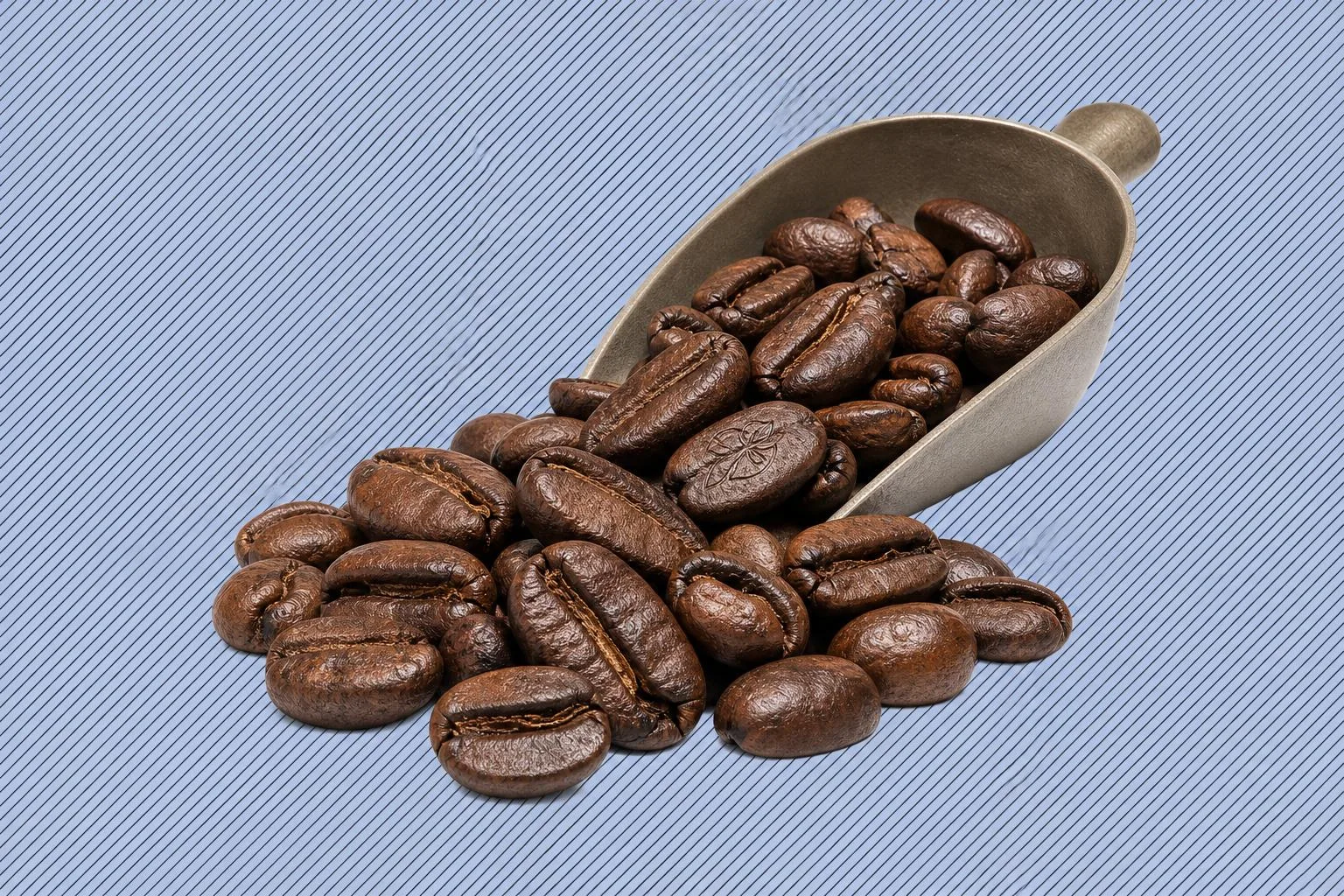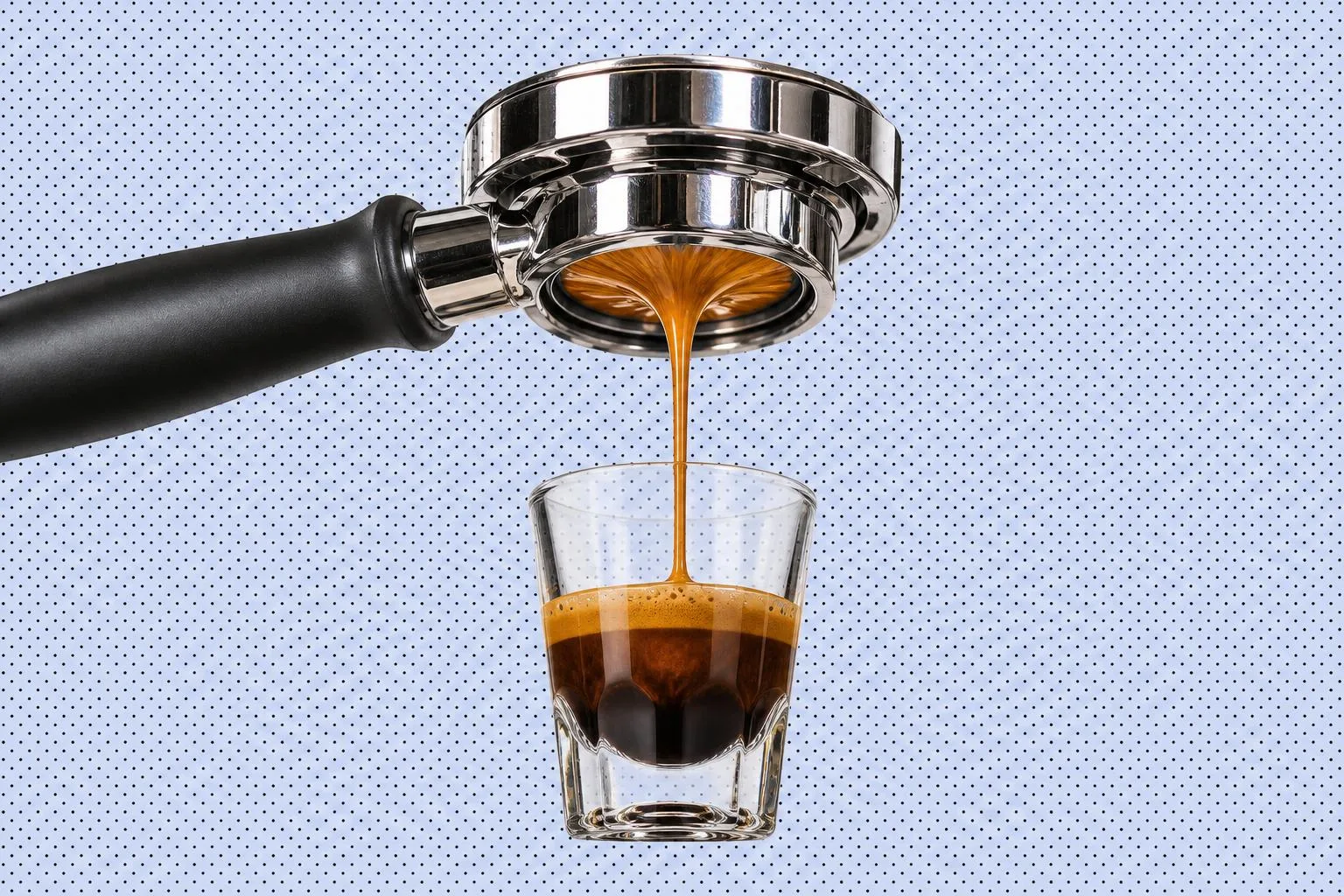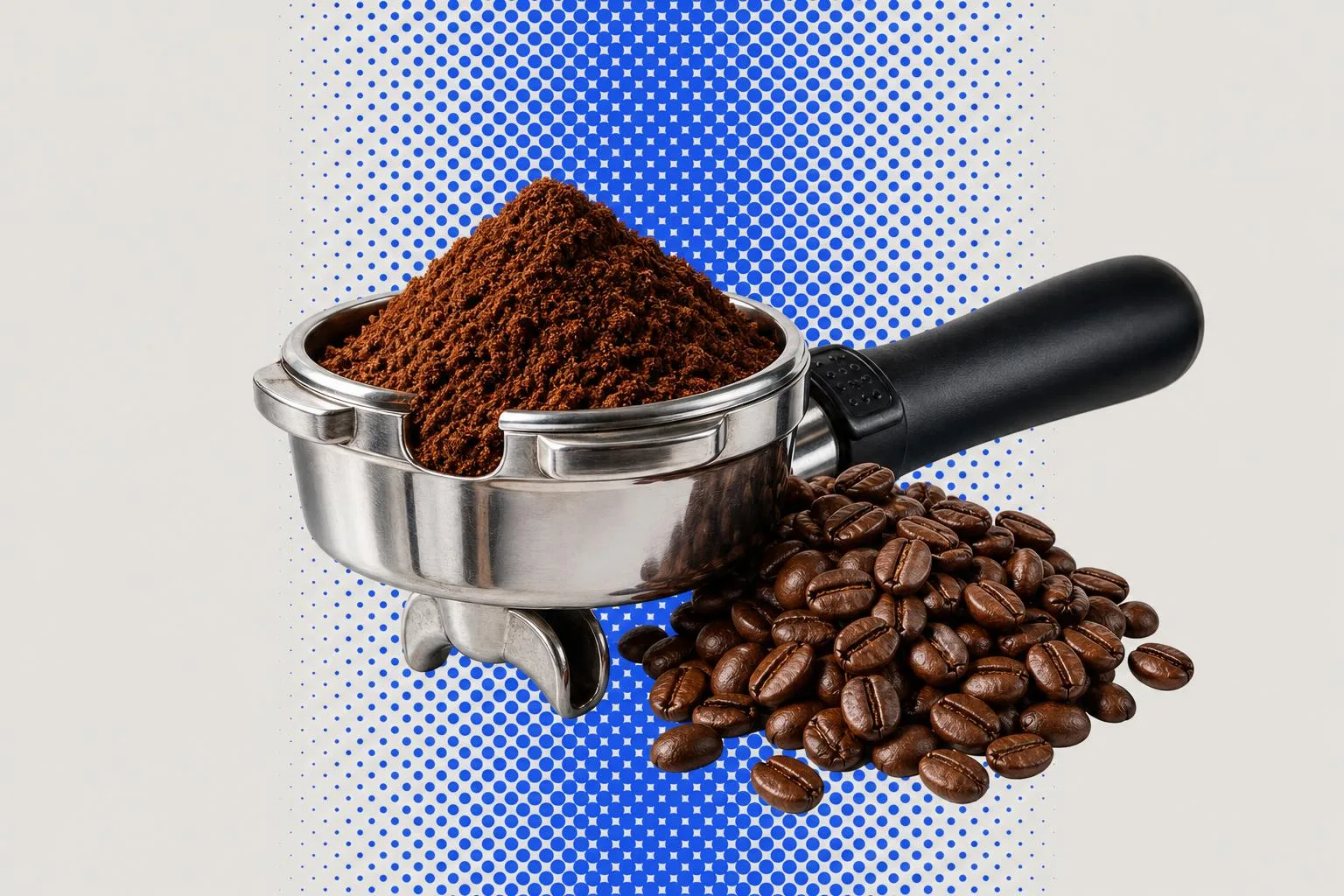
The short answer: buy a medium to medium-dark roast, roasted within the last two to four weeks, and plan to rest it a week before you pull a shot. That combination solves more problems than chasing a fancy origin ever will.
Everything else is fine-tuning. Below is how roast level, blend versus single origin, and above all freshness actually change what lands in your cup, plus honest picks from the catalogue to start with.
Why medium to medium-dark is the espresso sweet spot
Espresso extracts hard: around 9 bar of pressure, water at 90 to 96 °C, pushed through a compact puck in 25 to 30 seconds. A longer, deeper roast develops the soluble compounds that dissolve well under that pressure, and the bean oils that build rich crema.
Medium-dark is the industry-standard roast for commercial espresso for a reason. It balances caramelised sugars for sweetness with enough bean structure to extract evenly, and it gives the classic cup most people picture: caramel, chocolate, toasted nut, full body and a forgiving window where small mistakes do not wreck the shot.
Light roasts work, but they are harder. Their acidity can overwhelm a concentrated shot, and they demand more precise grinding, dosing and better gear to tame. If you are new to espresso, start a notch darker and earn your way toward light roasts later.
One thing to avoid at the other extreme: very dark, oily beans. They suit milk drinks and traditional flavours, but the surface oil clogs grinders, goes stale fast and tends to pull ashy. Dark and shiny is not the goal; dark and dry is fine.
Blend or single origin: consistency versus drama
A blend is built for balance and repeatability. Roasters combine origins so the cup stays the same bag after bag, and so no single flavour sticks out awkwardly under pressure. If you want a shot that just works every morning, a blend or a bean sold as espresso is the safe call.
Single origins are the dramatic option. They highlight one place's character, and that character can be loud: a natural Ethiopian pulls fruity and wine-like, a Kenyan delivers bright berry acidity, a washed Colombian gives balanced caramel sweetness.
The trade-off is that a single origin shows its edges. A bright Kenya can turn sour or sharp if your grind or temperature is slightly off, where a rounder blend would have hidden the error. More reward, less margin.
There is also a crema footnote. Classic Italian blends like the famous Super Crema add robusta specifically to build thick, lasting crema. Specialty single origins are almost always 100% arabica, so their crema is thinner but the flavour underneath is more interesting. Thin crema is not a fault; it is a varietal choice.
By origin: what each place brings to a shot
If you want a reliable, chocolatey espresso with low acidity and generous crema, look to Brazil. Natural-processed Brazilians lean chocolate, hazelnut and caramel with full body, which is why they anchor so much of the world's espresso.
Colombia is the versatile middle: sweet, balanced and happy as either a single origin or the backbone of a blend. It rarely fights you, and it sits comfortably at a medium roast where other origins want pushing one way or the other.
Ethiopia is floral, berry-driven and citrusy, but tea-like and best kept a touch lighter. It makes a thrilling, unusual shot rather than a comforting one. Treat it as a weekend adventure, not your daily driver.
Guatemala is the quiet all-rounder here. A washed Guatemalan at medium roast lands between Brazil's weight and Colombia's sweetness, with cocoa and gentle citrus, which is why so many espresso-labelled beans come from there.
The part most guides skip: roast date beats the bean
Here is the lever that matters most, and the one bag labels bury: freshness. Buy beans roasted within the last two to four weeks, full stop. A world-class origin that has sat on a shelf for three months will pull flat and dull, while an ordinary coffee that is properly fresh will sing.
But espresso has a twist that filter brewing does not. It is uniquely sensitive to carbon dioxide. Coffee that is too fresh is still off-gassing CO2, and under 9 bar that gas causes unstable extractions, gushing crema and sharp, uneven flavours that are almost impossible to dial in.
So you rest it. Let espresso beans sit about 7 to 10 days after the roast date before pulling shots. Resting lets the CO2 settle, which makes the shot easier to dial and far more consistent. That one-way valve on the bag exists for exactly this: it lets CO2 escape while blocking oxygen, so the coffee degasses without going stale.
This is also why the date on the bag beats the badge on the front. A rested, mid-priced Colombian will reward you more than a trophy Geisha pulled too fresh. Buy for the window, not the name.
How long to rest, and when to stop waiting
The rest window shifts with the bean. Dense, high-grown beans release CO2 slowly and want longer; lower-grown beans degas faster.
A worked example: a high-altitude Ethiopian light roast grown near 2,000 m may need the full 10 to 14 days before it pulls cleanly. A Brazilian natural at 900 m, even at the same roast level, can be ready a few days sooner. When in doubt, pull a test shot every couple of days and taste the sweetness arrive.
Do not wait forever, though. After roughly three to four weeks post-roast, most single origins start losing clarity and sweetness. Blends may hold up a little longer depending on their make-up. The sweet spot for espresso is a real window, not an open-ended one: rested but not tired.
The practical rule: buy little and often. A 250 g bag at an 18 g dose is about thirteen shots, so one bag every couple of weeks keeps you permanently inside the good window. Resist the bulk-buy instinct that works fine for filter; espresso punishes stale beans harder.
What recipe to buy for
Know the target before you shop, because it tells you how much coffee to buy and how fast you will go through it. A standard shot is a 1:2 ratio: around 18 g of coffee in a double basket, yielding about 36 g of espresso liquid in 25 to 30 seconds.
That is the recipe to dial toward, and the brew calculator will scale it to your basket size if you dose differently. If you want the full method, see our guide to espresso brewing. Buy with your dose in mind so you always have rested beans on hand.
Three good places to start
Prices and stock below move constantly, so treat these as examples of the right shape rather than a fixed shopping list. If one is gone, the roaster's logic still points you at a good substitute.
For the forgiving, classic route, a dedicated espresso bean built for the job is hard to beat. This washed Guatemalan is roasted medium and leans chocolate and caramel: sweet, round and easy to dial.
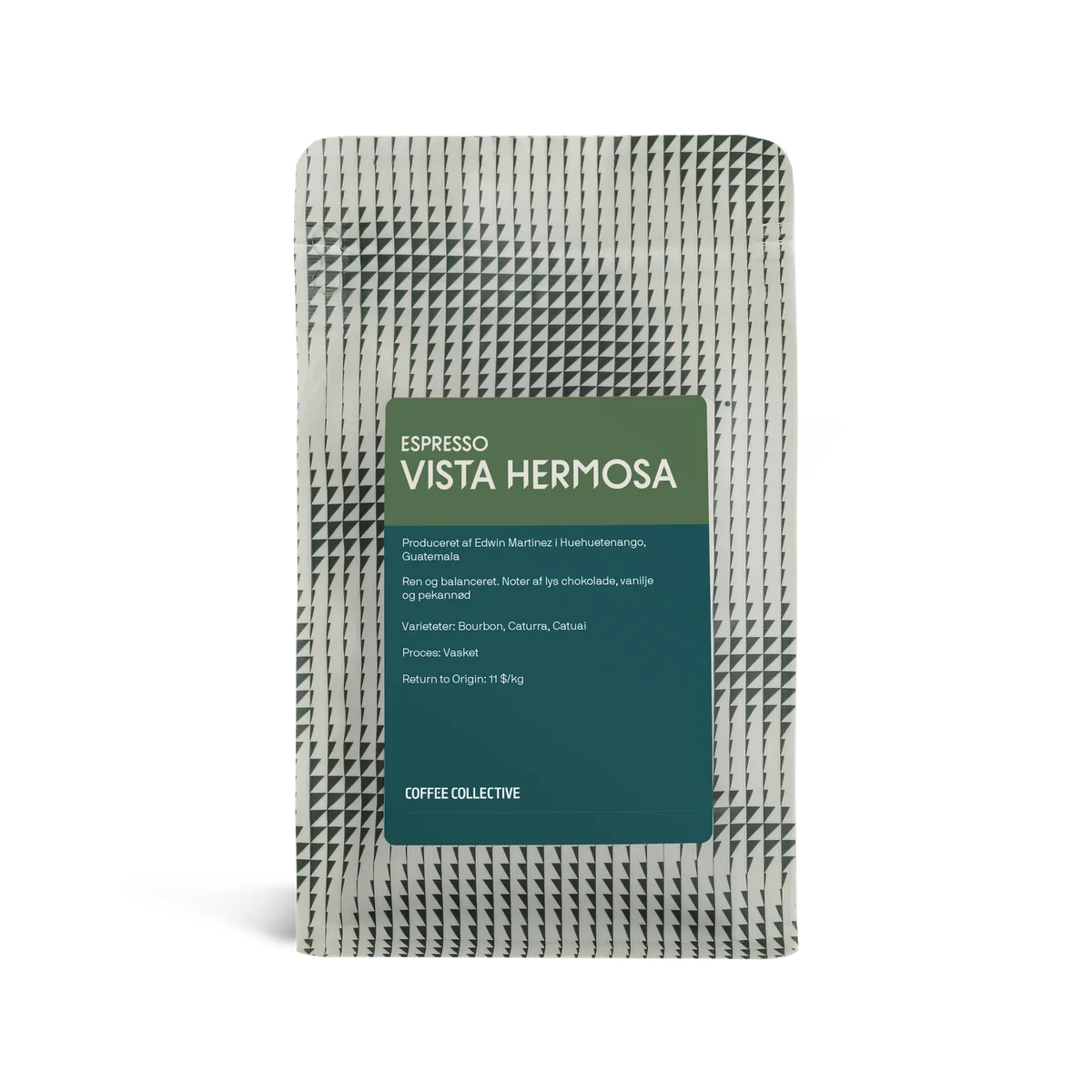
If you want a clean medium roast with a little more acidity and a cocoa backbone, a Costa Rican at medium roast sits right in the sweet spot. It is the kind of bean that behaves whether you drink it black or with milk.
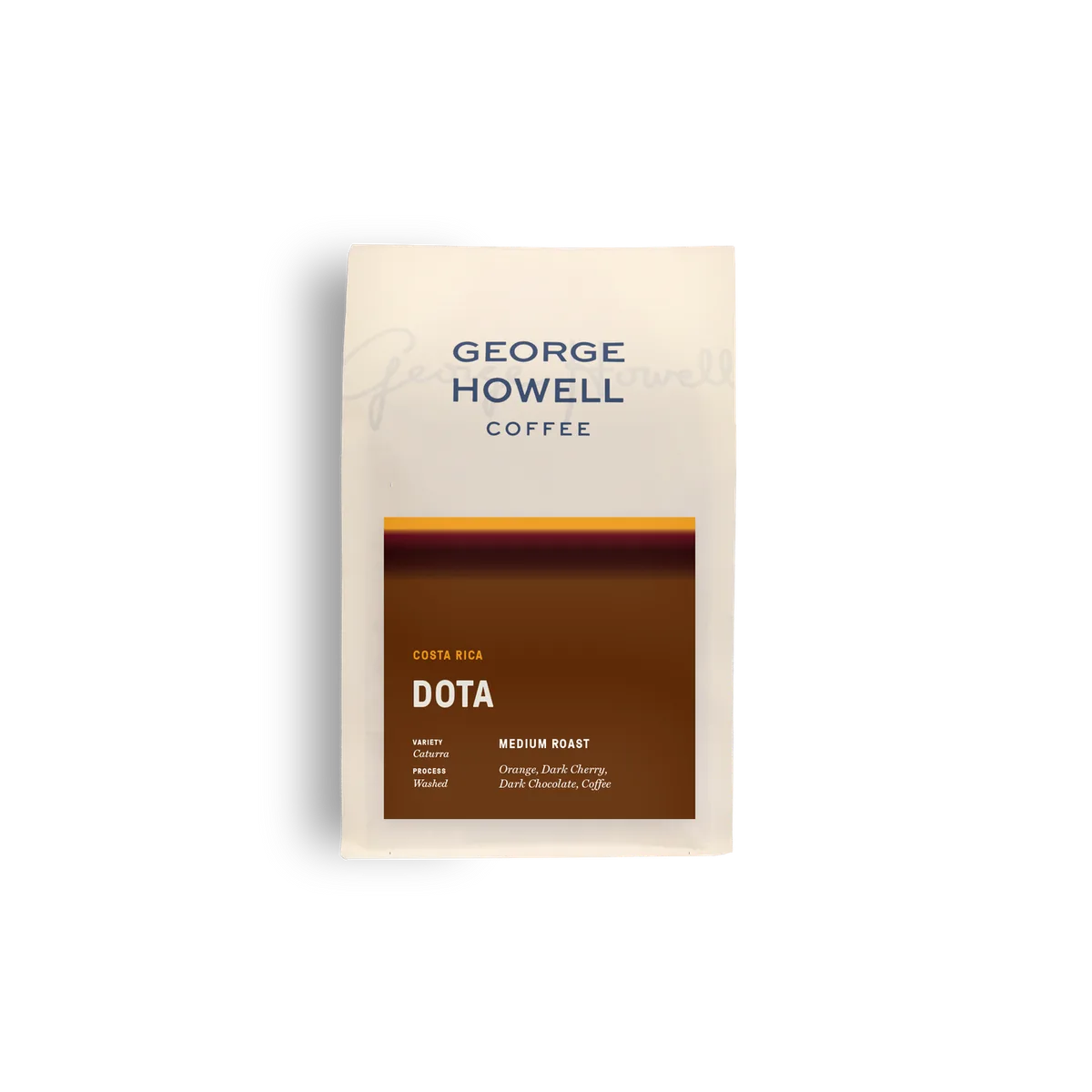
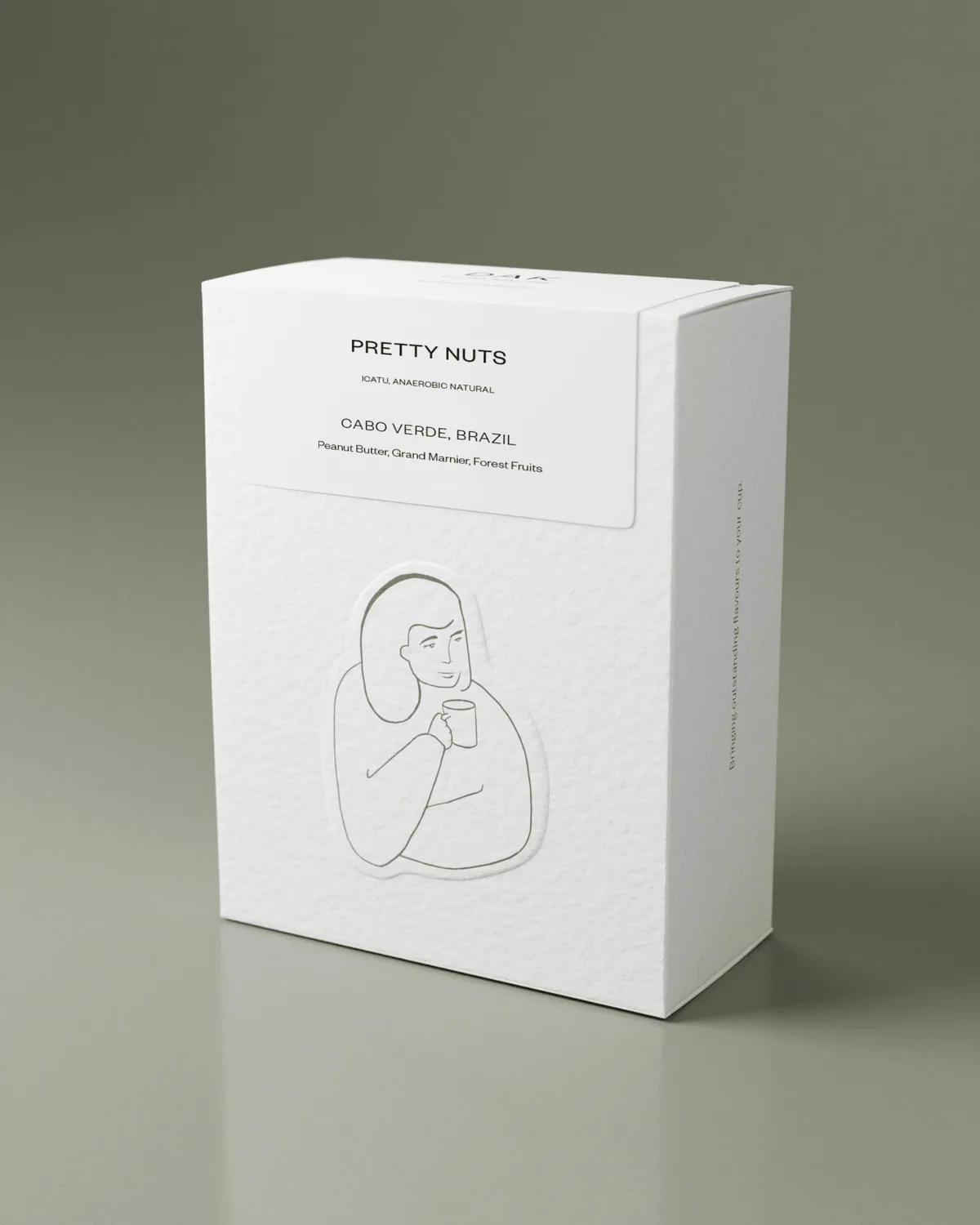
For a Brazilian-style, crema-friendly shot with nutty, chocolatey weight and low acidity, this medium-roast Brazil is the comforting daily-driver option. It is the easiest of the three to love straight away.
What to do first
Start with a medium or medium-dark bag, check the roast date, and rest it a week before your first shot. Dial toward 18 g in, 36 g out, in about 28 seconds, and only then think about chasing a brighter single origin.
If you would rather the site narrow it down for you, run through the decision helper or browse more roast and process options in the full catalogue. Freshness first, bean second: get that order right and espresso stops fighting you.