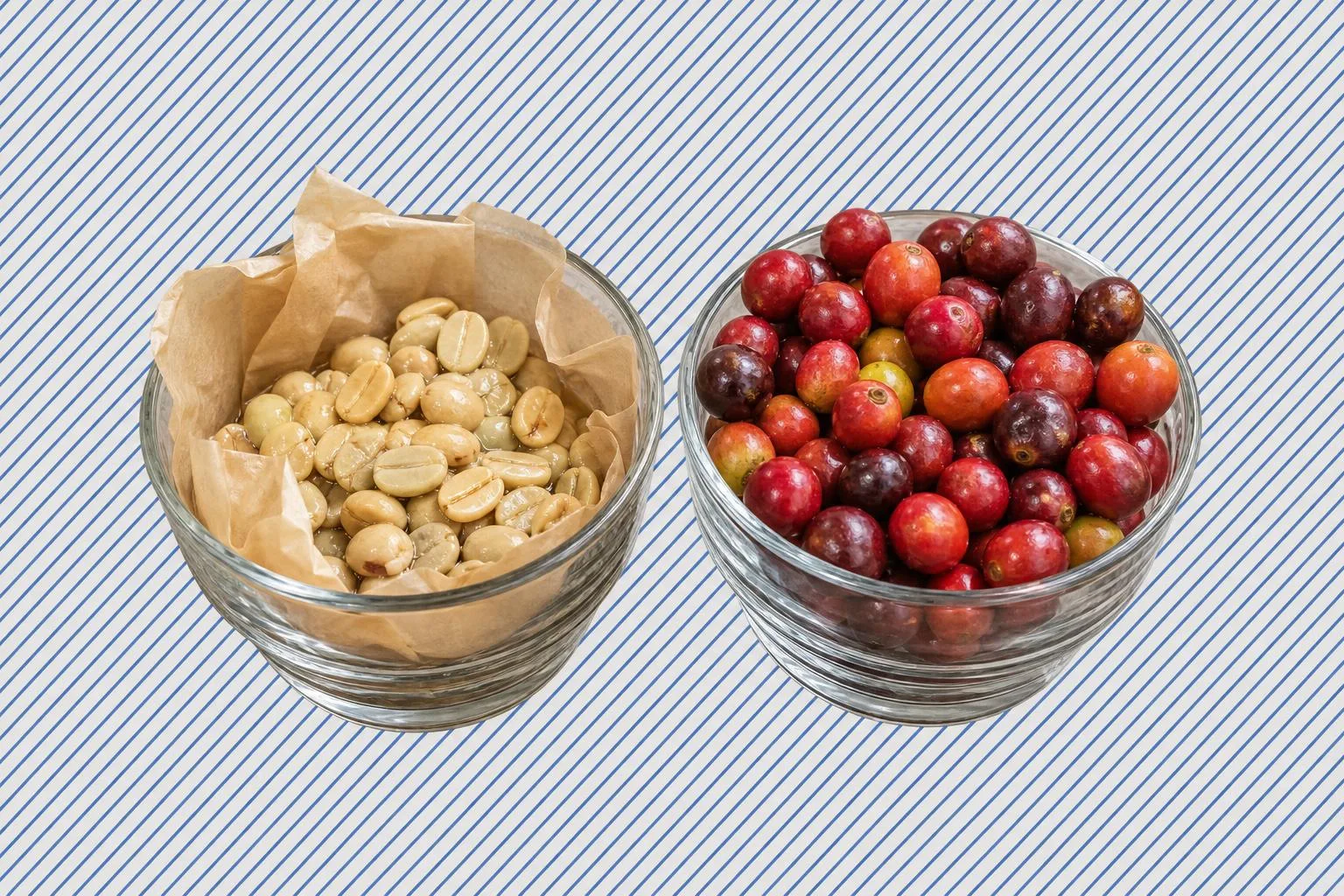
The short answer: washed coffee has its fruit stripped off before the bean is dried, and natural coffee is dried whole, fruit and all. That one decision — made at the farm or washing station, weeks before you ever grind it — is the single biggest reason two coffees from the same village can taste like completely different drinks.
Washed coffees tend to taste clean, bright and transparent: citrus, florals, a tea-like delicacy that lets the origin speak. Naturals lean fruity and heavy: berries, tropical fruit, a jammy sweetness and sometimes a winey edge. Same species, same farm, sometimes even the same tree — the processing is doing the talking.
What actually happens to the cherry
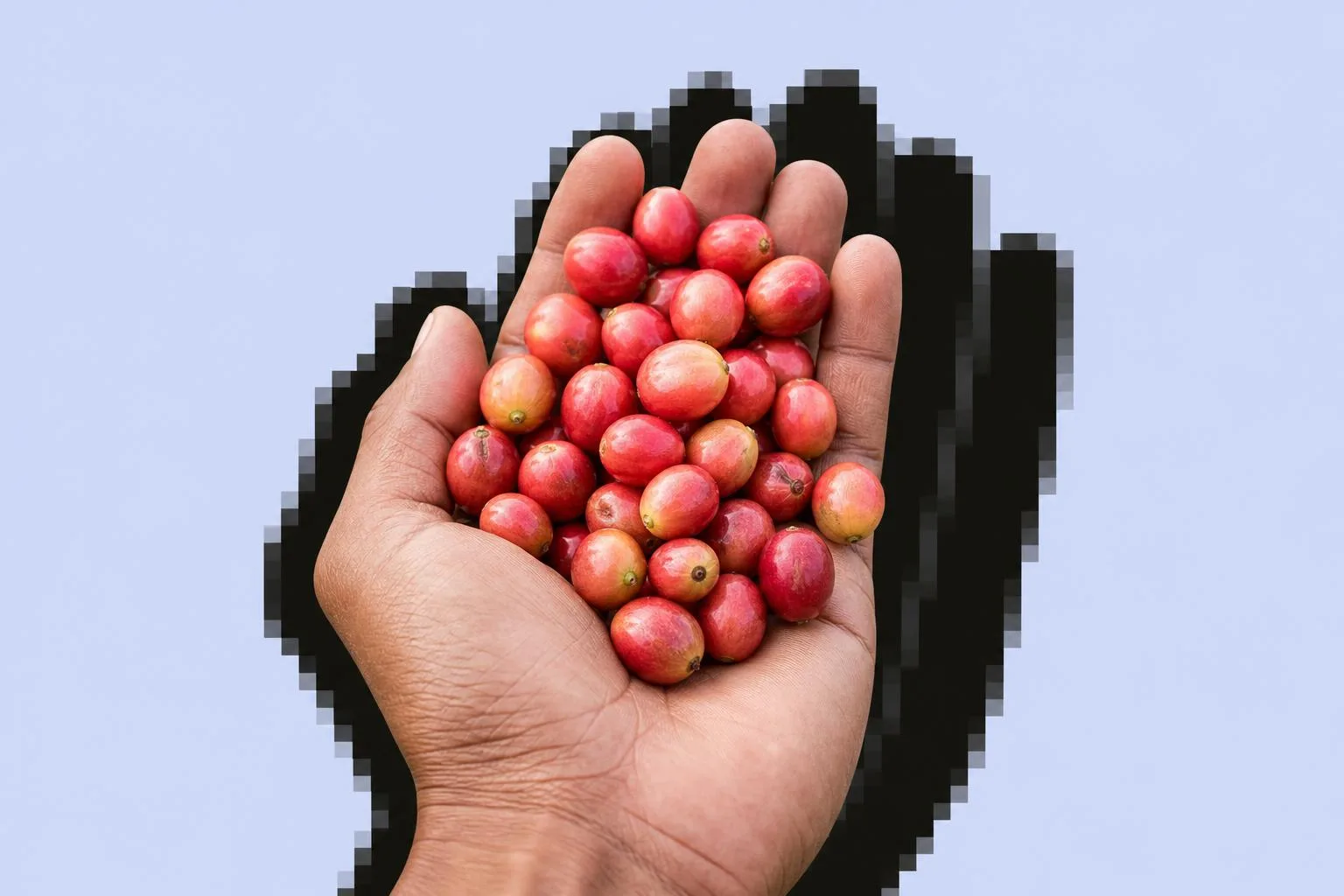
A coffee cherry is a fruit with a seed inside. That seed is what we roast. The two processes differ in when the fruit comes off.
In washed processing, the skin and most of the sticky mucilage are mechanically removed almost straight after picking. The beans, still in their parchment shell, are then submerged in water tanks for roughly 12 to 72 hours.
Because the mucilage layer is thin and the beans sit underwater, the fermentation is relatively controlled — buffered pH, limited oxygen, moderate temperatures. The result is a clean cup where the character of the origin comes through clearly. Afterwards the parchment is dried and later hulled off.
In natural processing, nothing comes off at the start. The whole cherry is laid out to dry intact — usually on patios or raised beds — with the seed still sealed inside the fruit.
Drying takes roughly two to four weeks. Only once the moisture content drops to about 10–12% are the dried skin, pulp and mucilage stripped away, leaving the green bean.
The key difference isn't just water versus sun. It's where the fermentation happens.
In a washed coffee it happens in a tank, quickly and under control. In a natural it happens inside the drying cherry, slowly, as yeasts and bacteria feed on the fruit sugars around the bean.
Why naturals taste so fruity
That fruit is doing real chemistry. As the cherry dries, yeasts produce aromatic compounds called esters — and these are exactly the smells we read as fruit.
Isoamyl acetate reads as banana, ethyl butyrate as pineapple, ethyl hexanoate as apple and cherry. Those loud berry and tropical notes in a good natural are largely yeast metabolites, created during that long, fruity fermentation. A natural can carry up to twice the body and sweetness of a washed coffee from the same origin.
The trade-off is control. A washed coffee is the safer, more repeatable path — which is one reason it's the more common style today and a favourite in the specialty world for its consistency.
A natural is harder to get right. If the drying fermentation isn't managed carefully, the cup can drift toward kombucha-like sourness, boozy notes, or even a vinegary sharpness. The fruit that makes naturals thrilling is the same fruit that makes them risky.
Where each process comes from
Natural is the older method. It was first practised in Ethiopia and Yemen, where the sun is strong and reliable water was scarce — you dried what you picked because you had no other option. Today naturals are most associated with Ethiopia, Yemen, Brazil and Costa Rica.
Washed processing came later and spread widely because it delivers cleaner, more predictable results — but it comes at a cost. It uses considerably more energy and produces far more water waste than drying a cherry in the sun. Neither method is simply "better": one trades resources for consistency, the other trades consistency for fruit and simplicity.
Taste them side by side
The fastest way to understand this is to drink the same coffee both ways. Some roasters process a single farm's beans as both a washed and a natural lot — a perfect controlled experiment.
Here's the washed version of one such lot from Ethiopia. Expect the cleaner, brighter, more floral reading of the same beans — stone fruit and citrus with a delicate lift.

And here's the natural version of the very same coffee. Same farm, same variety — but dried whole, so the fruit swings heavier and sweeter.

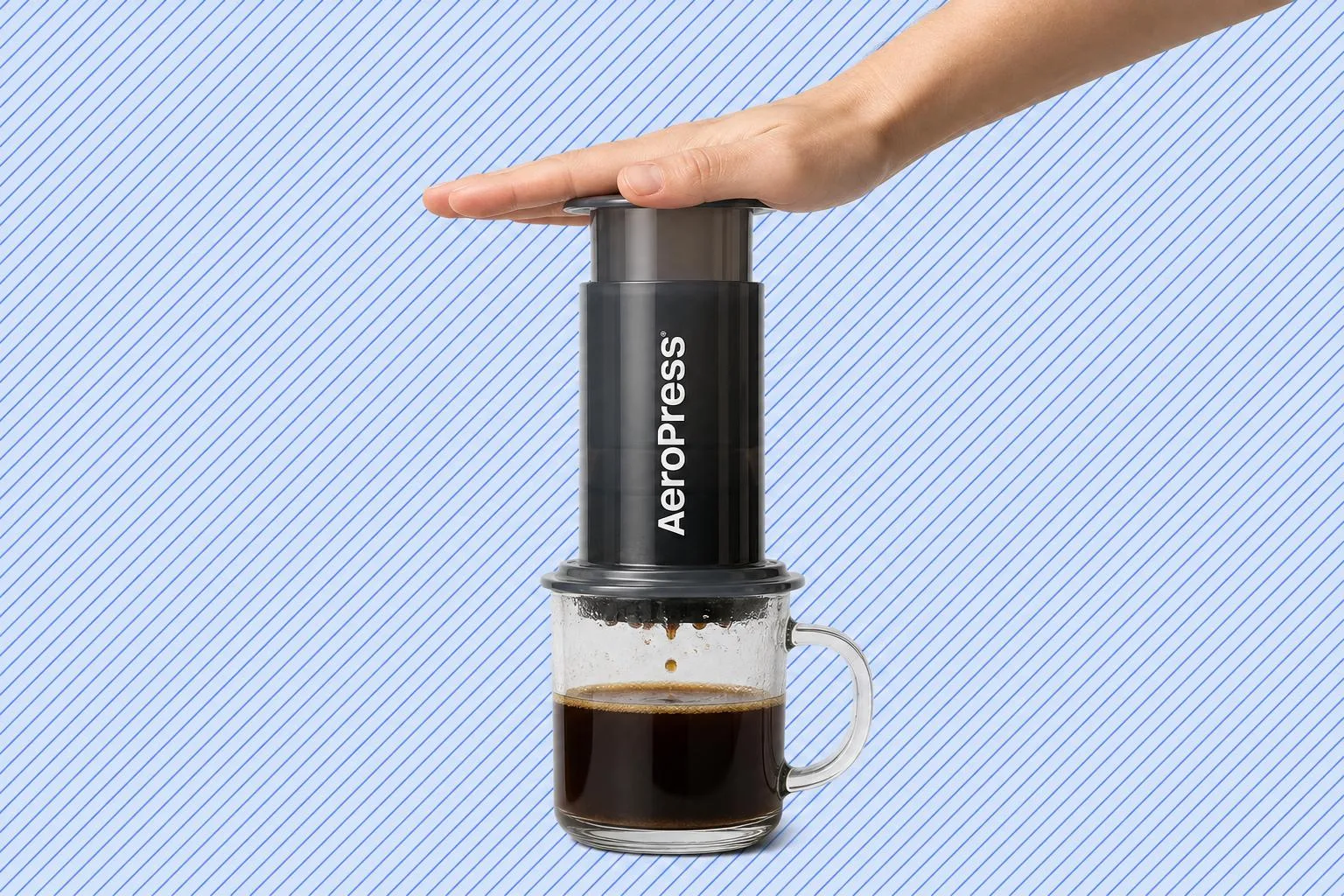
Brew them one after another on a pour over, same ratio and grind, and the difference lands immediately: the washed cup is crisp and layered, the natural rounder and jammier. If you want to keep the two brews genuinely comparable, dial in the same recipe with the brew calculator so the only variable left is the processing.
Which should you buy?
Neither is objectively better — it depends on what you want from the cup.
- Want clarity, brightness and a sense of place? Reach for washed. It rewards careful brewing and shows off origin and variety.
- Want fruit, sweetness and body — a cup that's fun before it's precise? Reach for natural, especially from Ethiopia or Brazil.
- New to the difference? Buy one of each and taste them back to back. It's the cheapest coffee lesson you'll ever get.
Start with a side-by-side pair if you can find one. From there, browse by process to explore more of either style, or let the decision helper narrow it down to what's in stock right now.