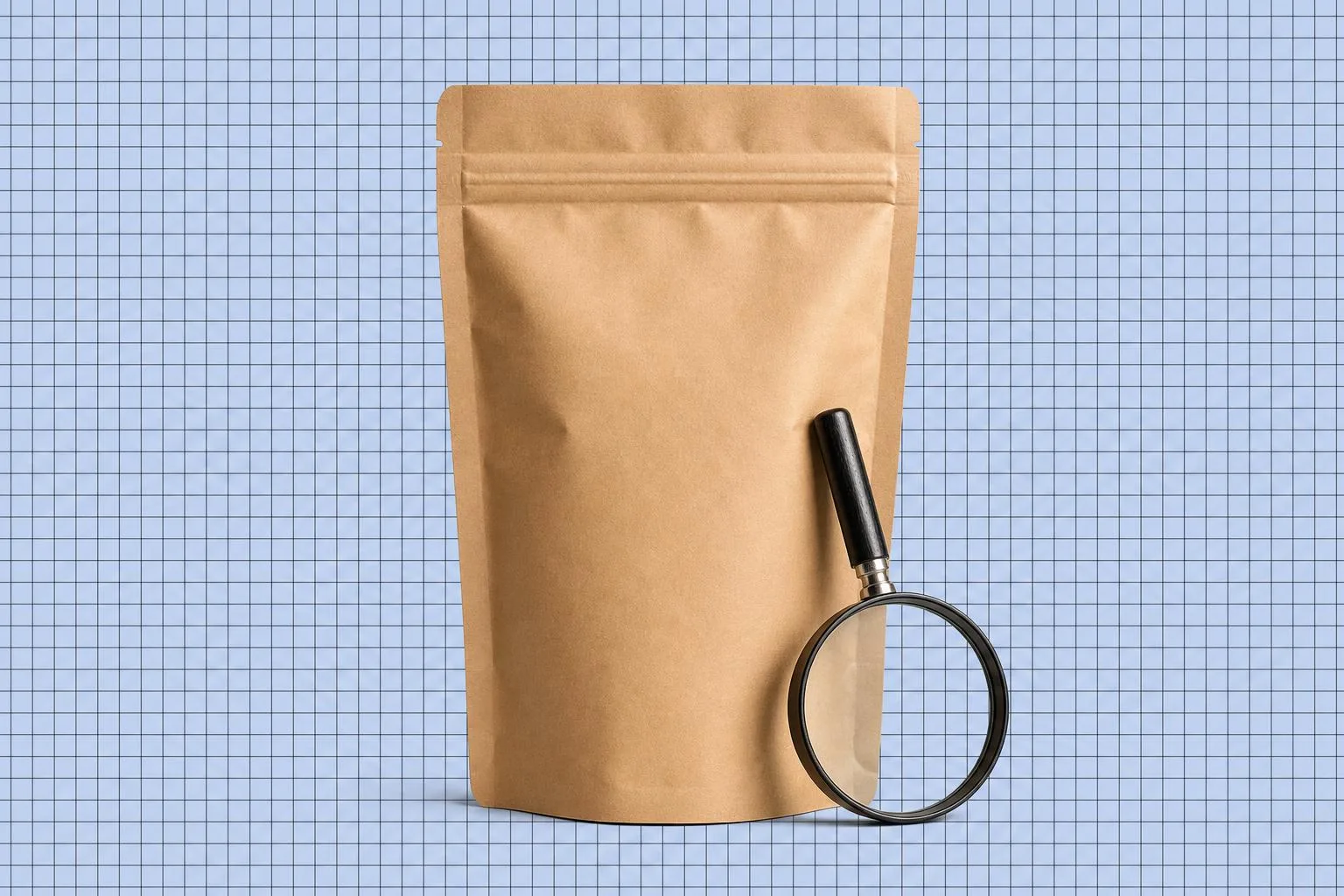
A specialty coffee bag is a data sheet in disguise. Six pieces of information tell you almost everything about how the cup will taste and whether it's worth the money: origin, variety, process, altitude, roast date and tasting notes. Learn to read those six and you can walk past the marketing and buy on evidence.
Here's the short version before the detail. "Specialty" is a technical grade — a coffee that scored 80 or more points on the 100-point cupping scale; anything below that isn't specialty at all.
The bag's job is to prove it earned that score by being specific. Vague bags hide things. Precise bags tell you where the coffee grew, how it was made, and when it was roasted — and that precision is itself a quality signal.
Origin, variety and altitude: where and what
Good labelling names at least the country. The best goes further — region, farm or cooperative, sometimes a single micro-lot. The more precise the origin, the better the roaster knows their coffee, so treat specificity as a green flag.
Variety is the plant. A Geisha will be built around jasmine and bergamot; an SL28 from Kenya leans blackcurrant; a workhorse Castillo is more about clean sweetness. The variety sets the ceiling on what flavours are even possible.
Altitude is printed as MASL — metres above sea level — and it's one of the most reliable clues to complexity. The rule of thumb: the higher the farm, the more likely you'll find bright fruit and floral notes; lower farms tend toward earthier, chocolatey, nutty cups. Most award-winning coffees are grown above 1,200 MASL, so a number in the 1,700–2,100 range on an Ethiopian or Colombian bag is a good omen.
Process: the biggest lever on flavour
Process — how the fruit is removed from the seed after picking — can matter more than origin. It's the difference between a coffee that tastes fruity and wine-like and one that tastes clean and chocolatey, sometimes from the same farm, even the same tree. Three words cover most bags:
- Washed: the fruit is de-pulped, then the beans ferment for anywhere from 12 to 72 hours before being washed clean and dried. Expect a bright, clean, transparent cup where the origin's own character shows through.
- Natural: the whole cherry dries intact with the fruit still on. The result is fruity, heavy, wine-like — occasionally a little funky.
- Honey: the middle road, with the sticky mucilage left on to dry. It's graded by how much stays: white honey (least, cleanest), then yellow, red, and black honey (most, richest and sweetest).
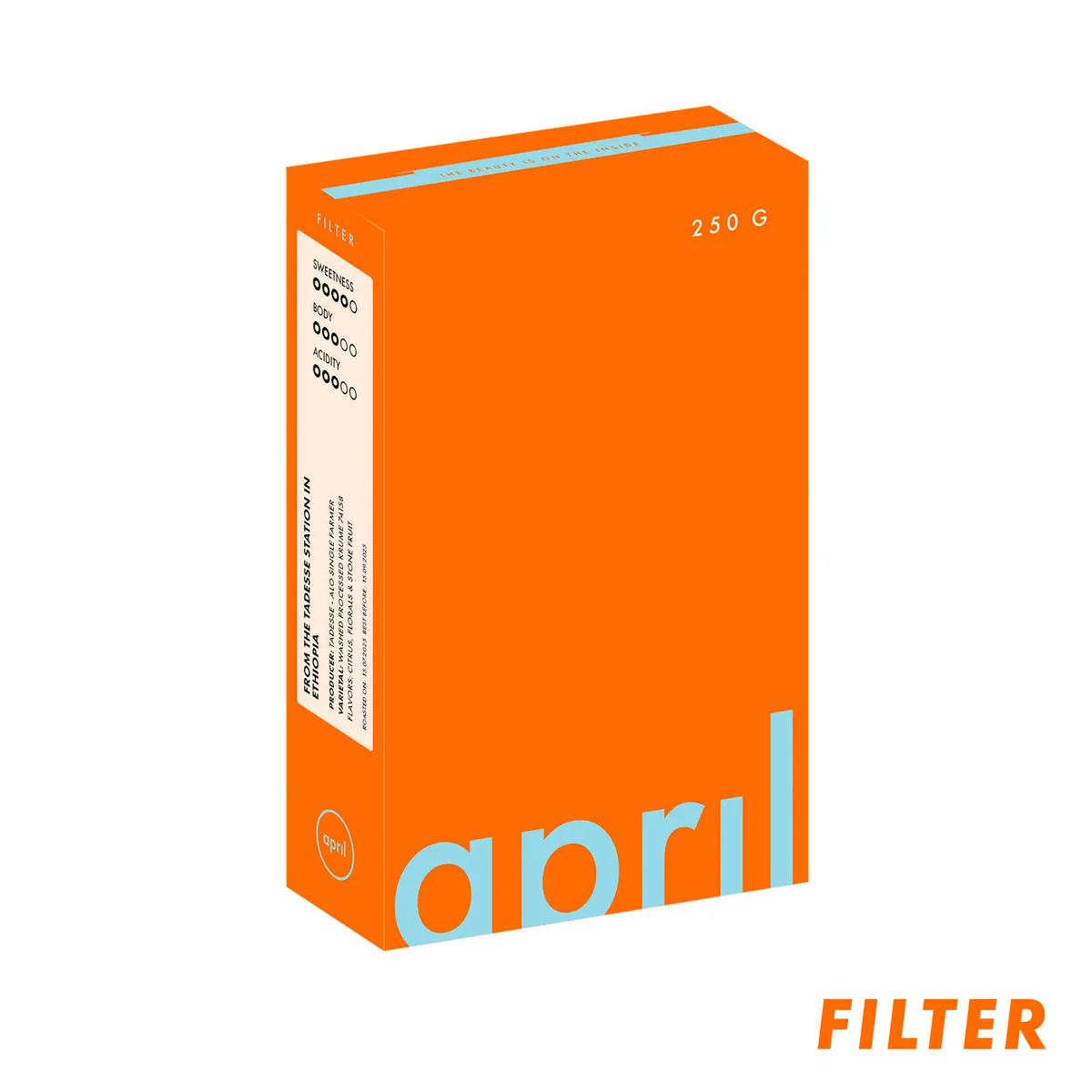
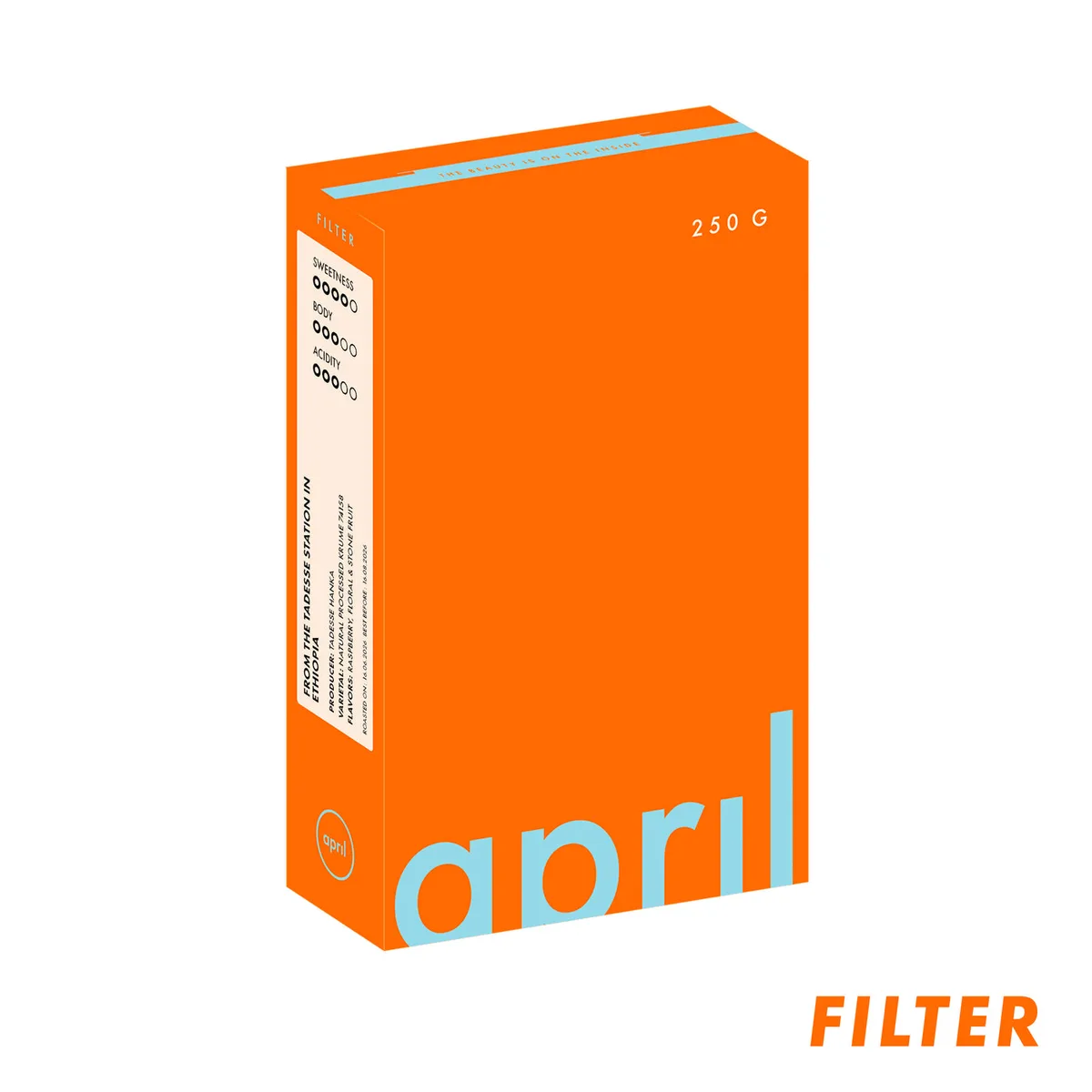
The clearest way to feel this is to taste one producer's coffee two ways. April roasts the same Ethiopian lot, from the same washing station, as both a washed and a natural. The washed version is the tidy, floral, citrus-and-stone-fruit take:
The natural version is the same beans left to dry in the fruit — heavier, sweeter, more overtly fruity. Buy both and you've run the experiment yourself:
Roast date: the freshness signal that can't be faked
This is the one number that tells you whether the coffee is any good right now. Look for an actual roast date. A bag that shows only a "Best By" date with no roast date is a red flag — it's hiding how old the coffee really is.
Fresh-roasted beans are still releasing carbon dioxide, and they need to rest before they hit their peak. For most coffees that window sits one to three weeks after roasting. What's ideal depends on how you brew:
- Espresso is the fussiest, because pressure amplifies the effect of trapped CO₂. Specialty baristas commonly rest beans 10 to 14 days before pulling shots.
- Pour over and drip are more forgiving — most coffees taste well after 5 to 7 days.
- Cold brew is the least sensitive of all, so it's the most relaxed about a bag that's a bit older.
So a bag roasted three days ago isn't "bad" — it just isn't ready. Note the date, give it a week, and it'll reward you.
Tasting notes: read them as a forecast, not a promise
When a bag says "blackcurrant, floral, brown sugar," nothing has been added. Those notes describe naturally occurring flavour compounds — roasted coffee contains over 1,200 volatile compounds, and when you taste strawberry you're detecting compounds your brain files under strawberries. Roasters usually settle on the wording through blind cupping sessions, where several tasters score the coffee and the most common descriptors become the official notes.
Read them as a forecast of a style, not a guarantee you'll taste each fruit on the nose. If the notes lean berry and tropical, you're looking at a juicy, fruit-forward coffee; if they lean chocolate and nutty, expect something rounder and more comforting. Cross-check the notes against the process and altitude — a washed high-grown lot promising bright citrus is internally consistent; a bag promising both delicate florals and heavy chocolate is worth a raised eyebrow.
Putting it together
Run the six checks in order: is the origin specific, does the altitude clear roughly 1,200 MASL, does the process match the cup you want, is there a real roast date, and do the notes line up with the rest? A bag that passes all six is telling the truth about itself.
Start by deciding the style you want — clean and bright, or fruity and wild — then let the process word on the label point the way. If you'd like the site to narrow it down for you, use the decision helper, and once your beans have rested, dial in the recipe with the brew calculator. Prices and availability in the catalogue move week to week, so check the coffees index for what's in stock now.