What is the best coffee-to-water ratio?
One safe default is 1:16, about 60 grams of coffee per litre of water. Here is why that works, what ratio actually controls, and tested numbers for every brew method.
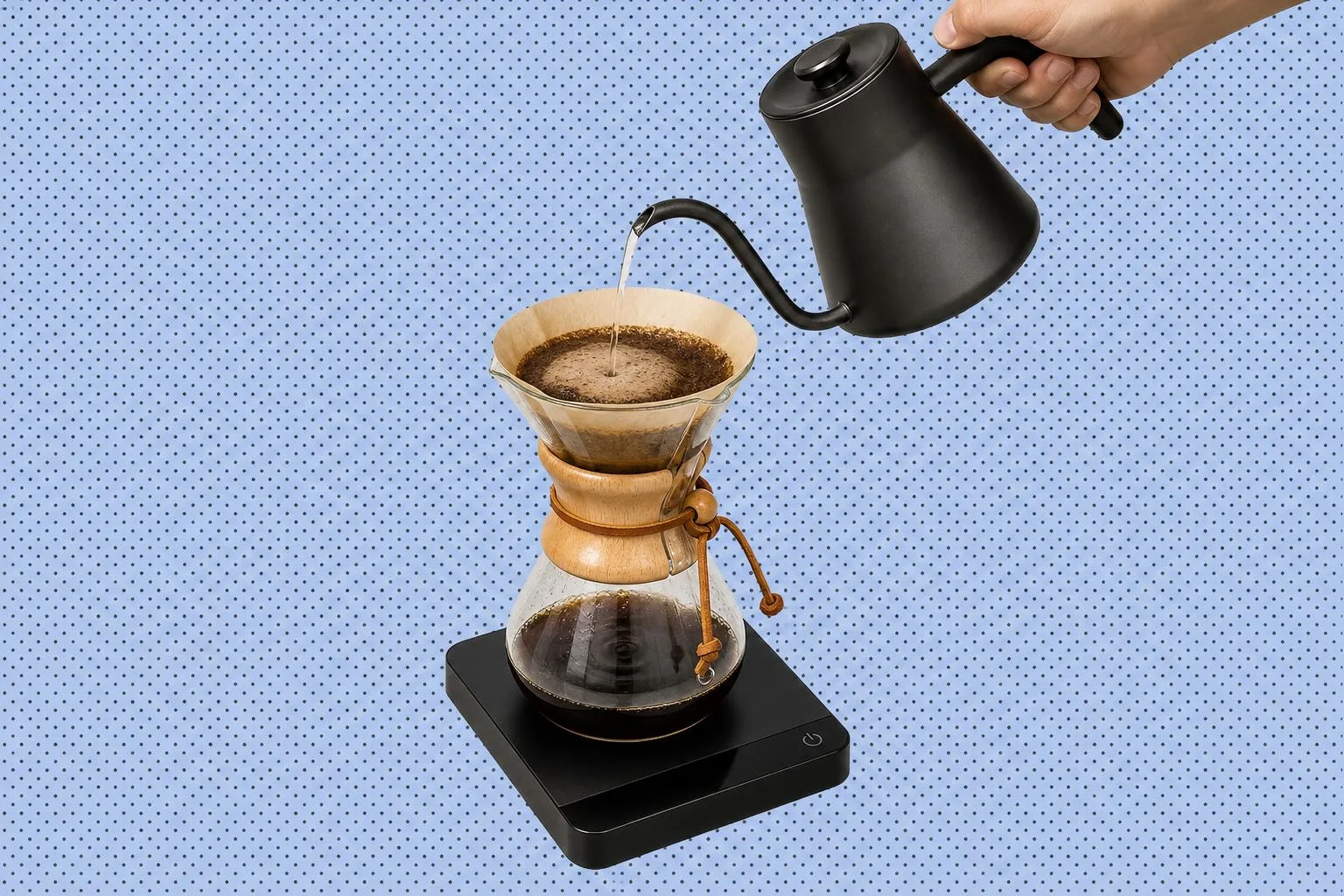
If you want one number to start with, use 1:16. That means 1 gram of coffee for every 16 grams of water, or roughly 60 grams of coffee per litre.
It is forgiving across almost every coffee and nearly every brew method, from a mug to a full carafe. Weigh both the coffee and the water on a kitchen scale, and you can repeat a good cup on purpose instead of by luck.
From there, the right ratio depends on how strong you like your coffee and how you brew it. The rest of this piece hands you tested numbers for each method, and explains the one idea that makes all of them make sense.
What the ratio actually controls
Ratio controls strength, not extraction. These are two different things, and confusing them is the single biggest reason people chase the wrong fix.
Extraction is how much of the coffee grounds you dissolve into the water, measured as a percentage of the dry bean. Strength is how concentrated the finished drink is, usually measured as total dissolved solids in the cup.
The relationship is simple: strength equals brew ratio multiplied by extraction percentage. If you hold extraction steady, then strength is set almost entirely by your ratio.
In plain terms, more water makes a weaker, thinner cup; less water makes a stronger, heavier one. Neither change makes the coffee more sour or more bitter on its own.
Picture two cups pulled from the same beans at the same grind. One at 1:15 and one at 1:18 can both be well extracted and balanced, yet the first drinks fuller and the second lighter, purely because of the water you added.
That is why a looser or tighter ratio is the right tool for adjusting body and intensity, and the wrong tool for fixing a cup that tastes sharp or harsh. We will come back to that.
The Golden Cup band, and why some find it weak
The industry reference point is the Specialty Coffee Association's Golden Cup standard, last revised in December 2015. It specifies 55 grams of coffee per litre of water, with a working tolerance of about 10%.
That tolerance gives a band of roughly 49.5 to 60.5 grams per litre, which in ratio terms is about 1:16.6 to 1:20. The same standard defines a properly brewed cup as 1.15 to 1.35% dissolved solids at an 18 to 22% extraction yield, with water near 93 °C.
Many professionals shorten this to a "60 grams per litre" rule of thumb, which lands at about 1:16.7. It is a dependable default precisely because it sits near the stronger edge of the Golden Cup band.
Here is the honest counterpoint: plenty of enthusiasts find the headline 55 grams per litre figure, which works out near 1:18, a touch thin. They prefer 1:15 to 1:16, which is 62.5 to 66.7 grams per litre.
The standard was written to describe a cup most people would call well balanced, not the strongest or the most delicate one possible. Your palate, your water and your beans all shift where the sweet spot lands, so the band is a starting map rather than a finish line.
So treat the standard as a well-tested centre, not a rule. If your 1:16 cup tastes watery, you are allowed to brew stronger, and the numbers below show you how far people actually push it.
How ratio translates into grams
It helps to see the arithmetic once. At 1:16 you need 62.5 grams of coffee per litre of water; at 1:15 you need 66.7 grams.
That gap is only about 13% more coffee, but it is clearly tasteable. A 1:15 brew reads as stronger and fuller in body, while 1:17 reads as lighter and cleaner.
For a single mug, the maths scales down cleanly. A 350 gram cup at 1:16 wants about 22 grams of coffee; the same cup at 1:15 wants around 23 grams.
For a full 12-cup drip carafe, roughly 1.8 litres, the Golden Cup ratio calls for about 98 to 100 grams of coffee. If that sounds like a lot, it is: home machines are routinely run far weaker than the standard.
The lesson is to always fix the ratio first and let the grams follow the batch size. A scoop that looks right for one mug becomes badly wrong when you double the water, which is how carafes end up tasting hollow.
You do not have to do any of this by hand. The site's brew calculator takes your ratio and your water weight and gives you the coffee dose, which removes the guesswork entirely.
Ratios by brew method
Different methods want different ratios, mostly because of contact time and how the water meets the grounds. Here are sensible starting points:
- Pour over: 1:15 to 1:17. Most specialty drinkers live in this band for filter coffee.
- Drip machine: around 1:16, matching the Golden Cup centre.
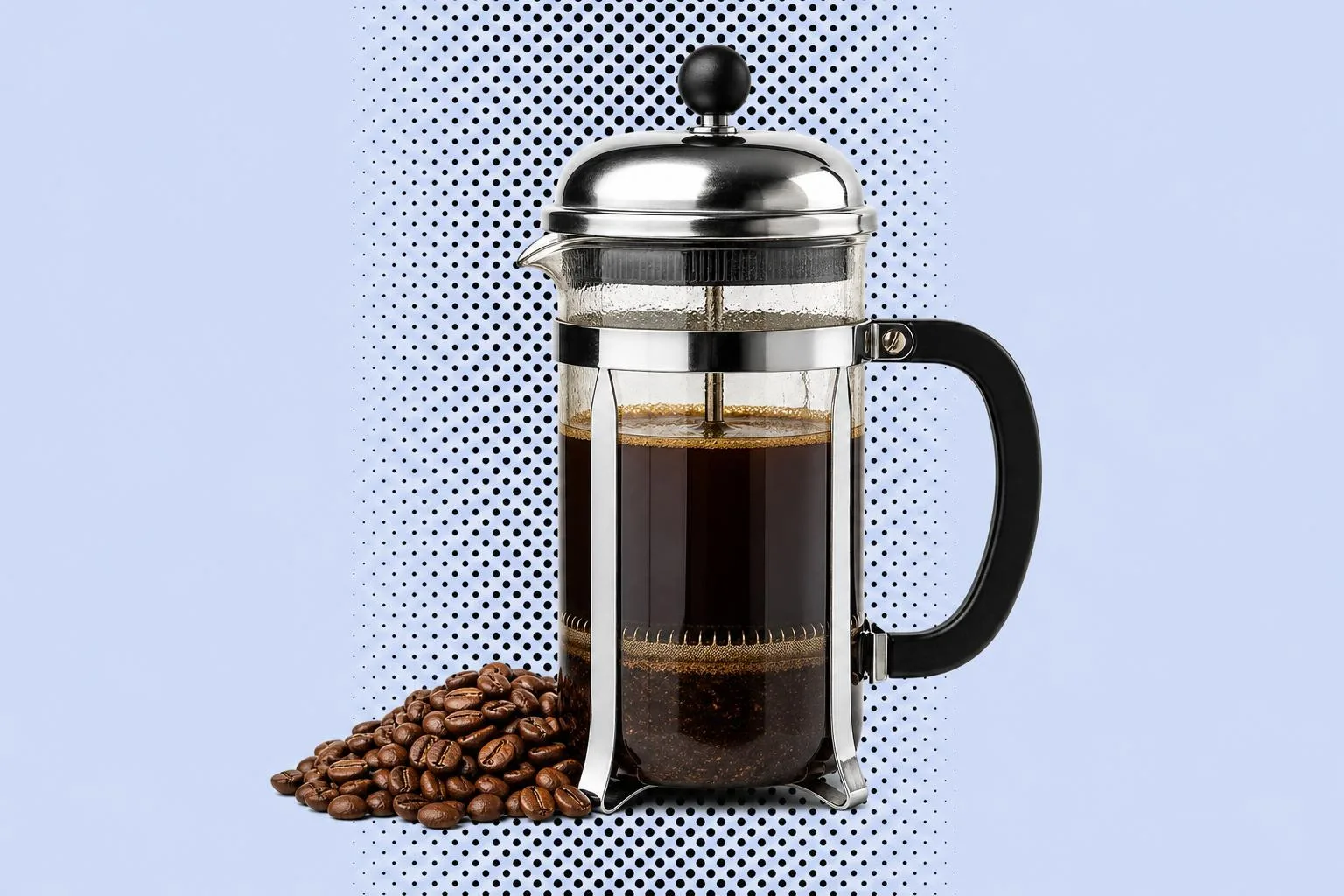
- French press: 1:12 to 1:15. Full immersion and a metal filter suit a heavier, stronger cup.
- AeroPress: 1:10 to 1:15, depending heavily on the recipe and whether you dilute afterwards.
- Moka pot: about 1:7 to 1:9. It is built to make a concentrated, gutsy brew.
- Espresso: roughly 1:2, a world of its own, driven by pressure rather than a long soak.
Cold brew sits furthest from the pack. Cold water extracts slowly, so you compensate with far more coffee: roughly 1:4 to 1:8 for a concentrate you dilute later, and about 1:8 to 1:15 for a ready-to-drink batch.
Notice the pattern. The shorter and more pressurised the brew, the tighter the ratio; the longer and cooler the steep, the more coffee you need to hit a satisfying strength.
There is a trade-off hiding in the immersion methods. A French press at 1:12 is gloriously heavy, but that density can muddy a delicate coffee, so a bright washed lot often shines better nearer 1:15 even in the same brewer.
Start at the middle of each band, taste, then move. A ratio change of a point or two is a deliberate dial, not a rounding error.
Light roasts often want a little more coffee
Roast level nudges the ratio too. Light roasts are denser and give up their flavour more slowly, so they can taste thin at a ratio that would be perfect for a darker bean.
A practical move is to brew a light roast at the stronger end, say 1:15, to build body and sweetness. Most of the catalogue skews light and bright, so this is worth keeping in mind.
There is a second reason beyond density. A stronger ratio raises the concentration in the cup, which makes a light roast's sweetness and florals read as fuller rather than faint, without forcing you to grind so fine that you risk bitterness.
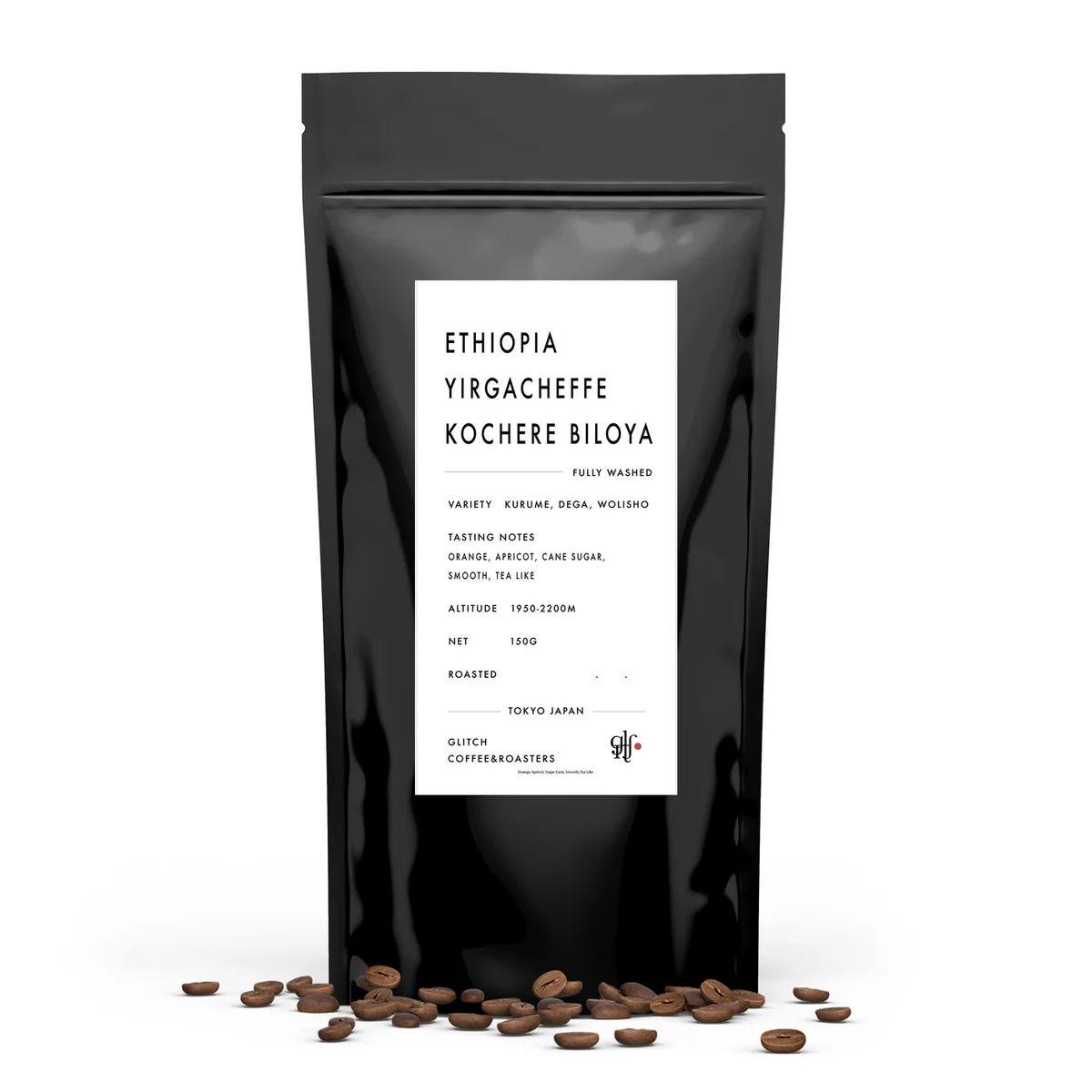
A clean washed Ethiopian or Kenyan lot is a good place to feel the difference, because its delicate florals and acidity reward a slightly denser cup. This Yirgacheffe is exactly that kind of bright, tea-like coffee that can read watery if you over-dilute it.
If you want a punchier, fruit-forward cup to practise with, a natural coffee at 1:15 in a French press makes the body obvious. Something chocolatey and berried like this holds up well to a stronger ratio without turning harsh.

Availability and prices on the site move week to week, so treat these as examples of a type, not fixed recommendations. Browse the full catalogue and pick the roast style that matches how strong you brew.
How to actually use this
Here is the rule that ties it all together: change ratio to fix strength, and change grind to fix taste. They are separate dials, and mixing them up sends you in circles.
If the cup tastes too weak or too intense, adjust the ratio. More coffee or less water for strength, less coffee or more water for a lighter drink.
If the cup tastes sour, thin and sharp, or dry and bitter, that is extraction, not strength. Grind finer to pull more, or coarser to pull less, and leave the ratio alone until the flavour balances.
Change one thing at a time, and keep a quick note of what you did. Two variables moved at once will hide which one actually helped, and you lose the repeatability that weighing gave you in the first place.
A good order of operations is simple. Lock in a ratio you like first, often 1:16 for filter, then fine-tune grind until the acidity and sweetness sit right, and only then revisit the ratio if the whole thing still feels too strong or too weak.
So start at 1:16, weigh everything, and taste before you change anything. When you are ready to tune for your exact brewer, run your numbers through the brew calculator, or let the decision helper point you at a coffee that suits how you drink.