If your coffee tastes sharp, tangy and somehow unfinished, the answer is almost always under-extraction. The water stopped pulling flavour out of the grounds too soon, so mostly acids made it into the cup and little else. It is a brewing problem you can solve, not a fault in the beans.
Here is the quick version: grind a little finer, use hotter water, and give the brew more time. Change one thing at a time, taste, and repeat. The rest of this piece explains why sourness happens and how to fix it without guessing.
What sour actually means
Coffee compounds dissolve in a predictable order. The water pulls out acids and sugars first, then the heavier solids and oils, and finally the bitter compounds last.
Stop the brew early and you have captured mostly the acids. That is why an under-extracted cup tastes sharp and thin rather than sweet and rounded. The sweetness and body that would balance the acidity never had time to dissolve.
It helps to name the numbers. Extraction yield is the percentage of the dry coffee that ends up dissolved in your cup, and the usual target window is 18 to 22 percent. Below 18 percent, brews tend to taste sour, thin and underdeveloped.
Only about 28 to 30 percent of a bean is soluble at all; the rest is insoluble fibre that stays in the grounds. So the whole game is dissolving the right slice of that soluble fraction, not too little and not too much.
Sourness is not the same as acidity
This trips people up, so it is worth being precise. Good acidity feels structured and lively, like the snap of citrus or blackcurrant in a well-made cup. Sourness feels incomplete, a flat sharpness with nothing behind it.
A bright Kenyan coffee is supposed to taste of blackcurrant and lime. That is acidity by design, and it is delicious. Sourness is when that brightness arrives alone, without the sugar and body that should carry it.
If you have come from supermarket dark roast, note this too. Specialty beans are often more acidic than you are used to, and that tang is deliberate. Your palate adjusts over a week or two of drinking them.
The fixes, in order of impact
Grind is the biggest lever you have. Extraction depends on surface area, and finer grounds expose more of it, so the water pulls out more flavour. A grind that is too coarse extracts too quickly and leaves the acidity naked.
So the first move for a sour cup is almost always to grind finer. Nudge it a step or two, not a huge jump, and taste again before deciding.
Water temperature is the second lever. The recommended range is 90 to 96 °C (195 to 205 °F). Water that is too cool under-extracts and leaves the cup weak or sour.
If you do not have a thermometer, bring the kettle to a full boil and let it rest off the heat for 30 to 45 seconds. At sea level that lands you around 96 °C, right in the window.
Brew time is the third. If your pour over drains in well under two and a half minutes, the water raced through before it could finish the job. A finer grind usually slows it down naturally, which is why grind and time move together.
Strength is not extraction
Here is a trap worth understanding: strong coffee and well-extracted coffee are two different things. You can brew something intense and still sour.
A big dose of coffee with a little water and a short brew gives you a concentrated cup, high in dissolved solids, that only managed to release the acids. It tastes strong and sour at once. Adding more coffee will not fix that; extending the extraction will.
The cleanest way to keep dose, water and ratio honest is to weigh everything. If you are eyeballing scoops, start with a scale and a known recipe, then adjust grind from there. The brew calculator will set your ratio so you are only changing one variable at a time.
Change one thing at a time
The reason people go in circles is that they change three things at once and cannot tell what worked. Resist that. Isolate a single variable, taste, then move on.
A practical loop looks like this:
- Taste and decide the cup is sour or weak, not bitter.
- Check the brew time against your method's usual window.
- Grind one step finer, keeping dose, water and temperature the same.
- Brew again and taste. Repeat until the sourness gives way to sweetness.
That is the whole method. It is slow the first few times and fast forever after, because you learn what your grinder's steps actually do.
When both sour and bitter show up
Sometimes a cup tastes sour and bitter at the same time. That is a different problem: uneven extraction. Some grounds gave up too little while others gave up too much.
The usual culprits are an inconsistent grind, patchy saturation, or channelling where water carves a fast path through the bed instead of soaking it evenly. On a pour over, a slow, even spiral pour and a level bed help. On espresso, distributing and tamping evenly matters more than any single dial setting.
A sour espresso shot has usually run too fast. Start from a stable recipe, say 18 g in and about 36 g out, and grind finer in small steps until the shot slows and the sourness lifts.
When it is the beans, not the brew
Be honest with yourself about one thing: no dial-in rescues bad beans. Under-roasted coffee tastes sour, grassy and green no matter how you brew it, because the roast never developed the sugars.
Stale beans can taste sour too. As coffee ages it loses the aromatic oils that give it depth, and what is left can read as flat and sharp. If a bag is months past its roast date, the grinder will not save it.
The fix here is upstream: buy fresh, well-roasted coffee from a roaster you trust, and use it within a few weeks of roasting. Then the brewing advice above actually has something to work with.
A coffee that shows the difference
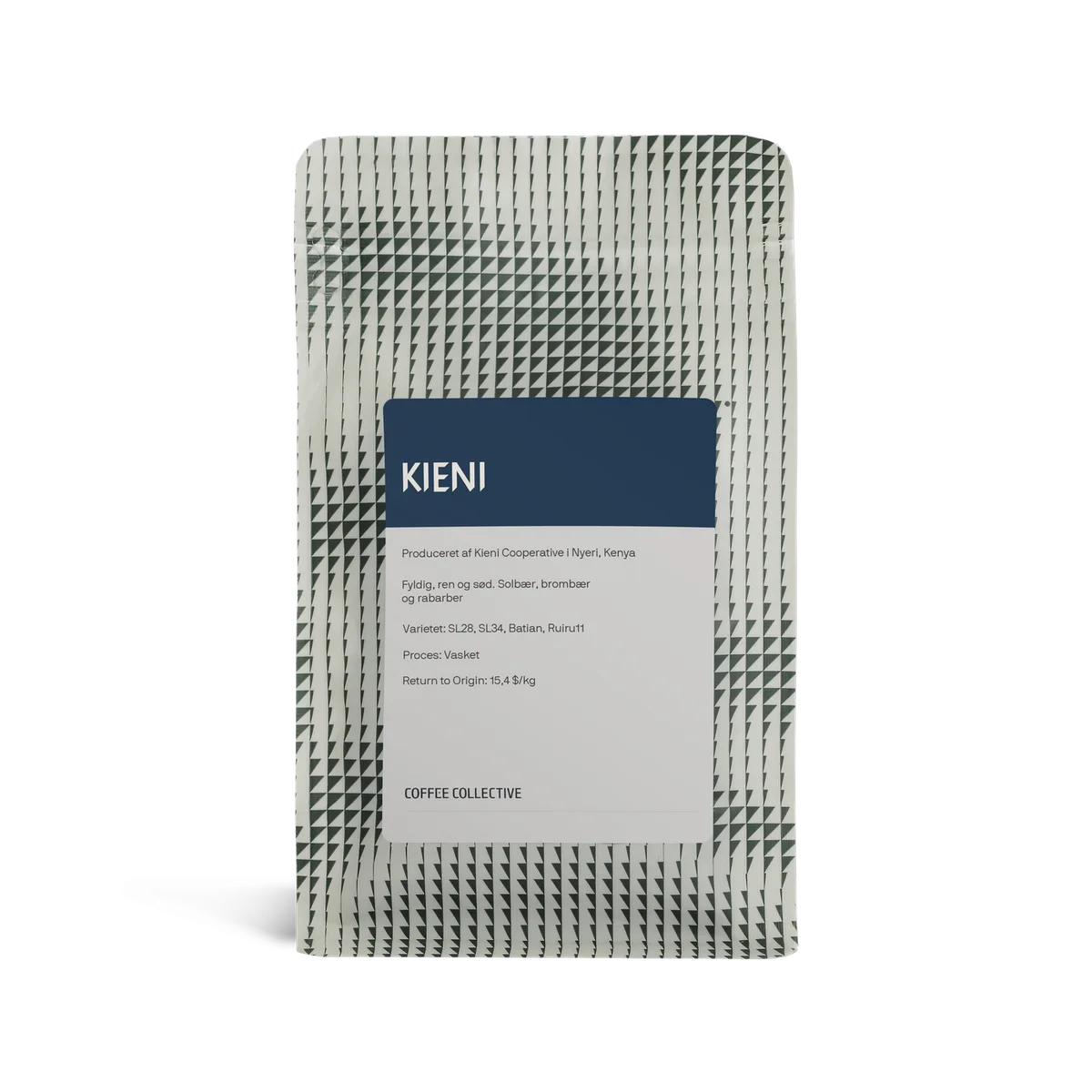
To retrain your palate on the gap between sour and bright, brew something that is meant to be lively and get it right. A washed Kenyan is ideal, because when it is well extracted the blackcurrant acidity is structured and sweet, and when it is under-extracted it turns thin and sharp. You can hear the difference in one dial-in session.
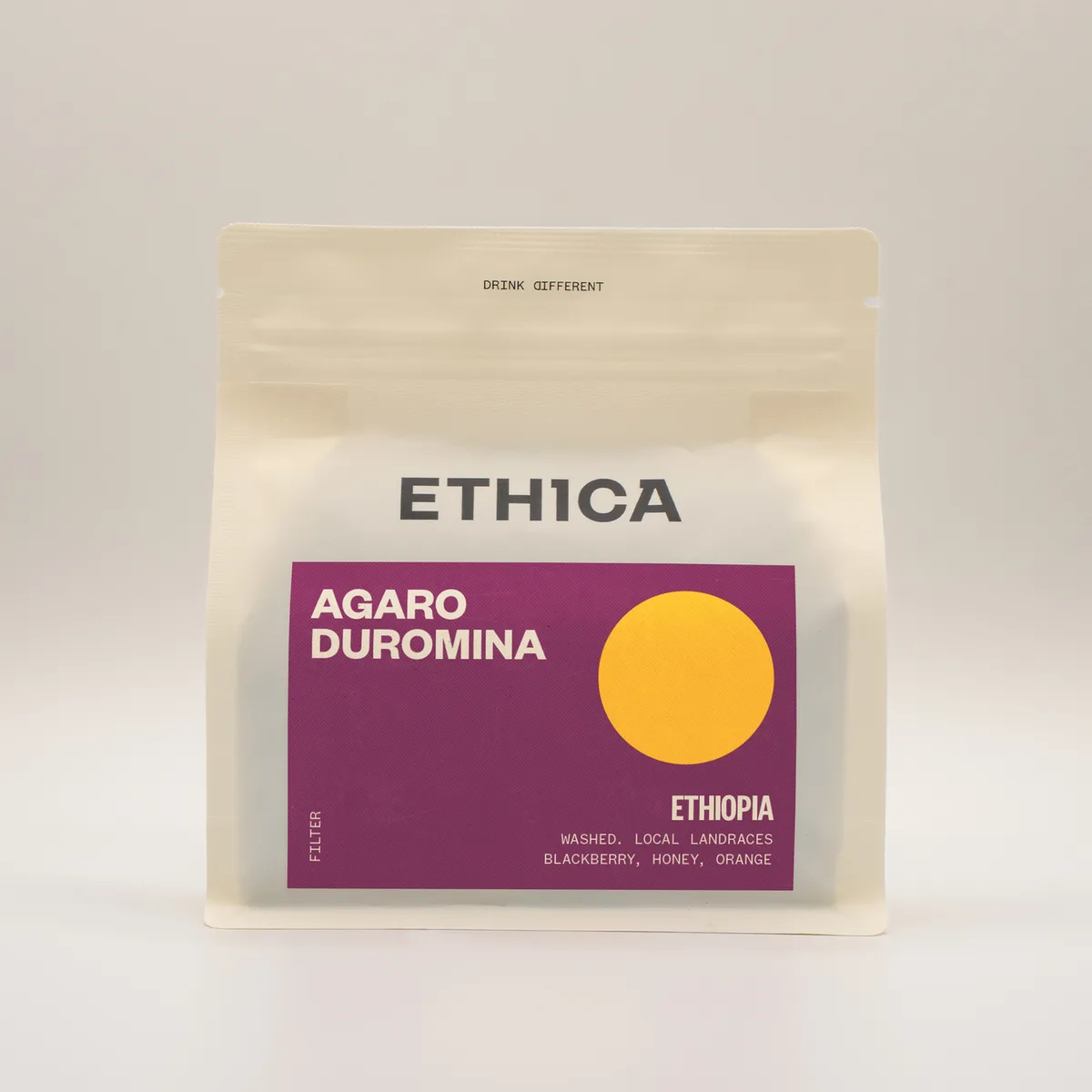
If you prefer something rounder while you practise, a washed Ethiopian leans floral and citrusy with a softer acidity, which makes an under-extracted brew easier to spot against a naturally gentle backdrop.
One honest caveat on the numbers
The 18 to 22 percent window is a guide, not a law. Research from UC Davis found the acceptable range is actually wider than the classic chart, and that drinkers cluster into more than one preference zone rather than one universal sweet spot.
So do not chase a number for its own sake. Use the mechanism to understand what is happening, then trust your own tongue. If a cup at a technically low extraction tastes great to you, it is great.
What to do first
Grind one step finer, use water just off the boil, and weigh your dose and water so the ratio holds steady. Change only that grind, taste, and repeat until the sharpness turns to sweetness.
If the beans are stale or clearly under-roasted, start over with something fresh. Browse the flavour profiles to find a coffee whose brightness you actually want, then let the brewing dial it in.