Arabica opened the week with a sharp rally, gave a chunk of it back midweek, then finished firmer than it started. The engine behind the move was supply anxiety: certified stocks in ICE warehouses drained below 300,000 bags, and forecasters warned about a possible El Niño hitting future crops.
For coffee drinkers, the takeaway is simple. The wholesale price of the green coffee behind your morning cup is still sitting near multi-year highs, roughly 15% above where it was a year ago, so the shelf is not about to get cheaper.
The market: prices firm as warehouse stocks shrink
| Market | Price | This week |
|---|---|---|
| Arabica (ICE Sep) | 325.81 ¢/lb | +3.80% |
| Robusta (ICE Sep) | $3,780/tonne | +0.59% |
The week's shape was a rollercoaster around a firm close. On Monday, July 27, September arabica jumped 1,075 points, up 3.4% to 324.55 cents, its highest level since mid-month, while London robusta rose 1.1% to $3,799.
That rebound came from funds and speculators covering positions after the prior week's declines, sharpened by weather fear. Traders were watching forecasts of a potentially historic El Niño, with heavy rains already delaying Brazil's harvest.
A quick word on the jargon, because it matters here. "Position-covering" means traders who had bet on falling prices buying contracts back to close those bets, which itself pushes prices up regardless of any real change in supply. Rallies built on that kind of buying tend to be fast and fragile.
Midweek the mood flipped, as such rallies often do. On Wednesday, July 29, New York fell about 4%, down 1,360 points to 325.80 cents, and robusta dropped 2.7% to $3,773. The pullback was profit-taking, encouraged by a weaker Brazilian real against the dollar.
That currency link is worth understanding. When the real weakens, Brazilian growers earn more in their own money for every dollar of coffee sold, so they are keener to sell, and that extra selling pressure tends to cap the dollar price on the exchange.
Thursday brought another small slide on dry Brazil forecasts, with September arabica off 0.84% while robusta ticked up 0.19%. By Friday, July 31, arabica had recovered to 325.81 cents, up 0.85% on the day and finishing the week broadly higher.
The steadier, more bullish story ran underneath the daily noise: certified stocks kept falling all week. They dropped below 300,000 bags to 292,810 on Monday, drawn mainly from Honduras at 89,892 bags and Uganda at 39,014, then thinned again to just 274,168 bags by Wednesday.
Certified stocks are the coffee that has been graded and stored in exchange-approved warehouses, ready to settle futures contracts. When that cushion shrinks, the market has less slack to absorb any shock, so every weather scare hits harder. That is the quiet reason prices stayed firm even as the daily charts whipsawed.
Producer bodies added to the unease. Cepea flagged the risk that unseasonal rainfall could hurt arabica quality, while a Cooxupé forum warned of possible premature flowering of the 2027/28 arabica crop, with a risk of flower or fruit abortion.
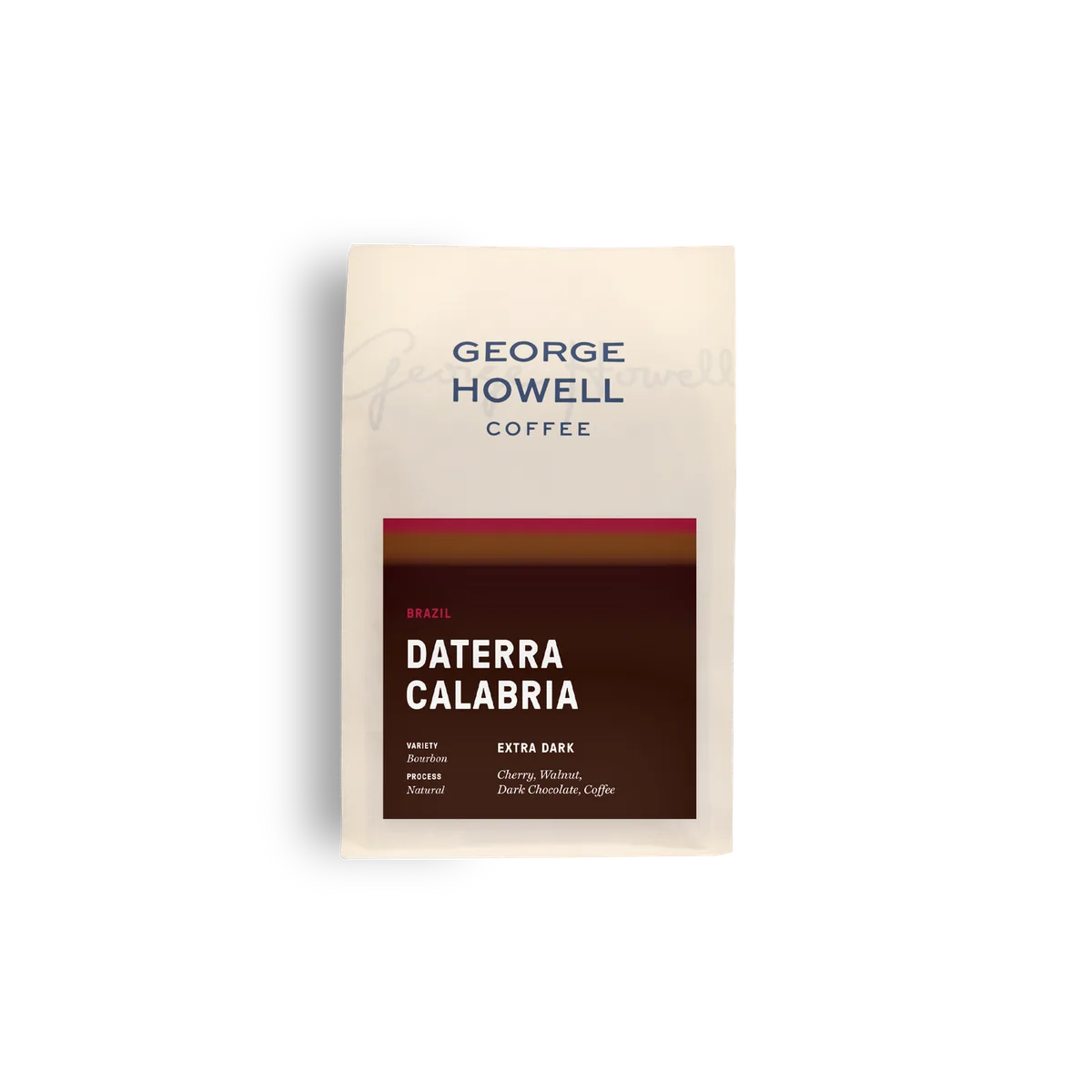
Brazil sits at the centre of all of this, which is why a dry forecast or a wet one can swing the whole board in a day. If you want a cup that tastes of that origin's chocolatey, nutty side while prices stay high, a clean natural Brazilian is a dependable pour.
Starbucks posts a blowout quarter
The week's biggest company headline came on Wednesday, July 29, when Starbucks reported a strong fiscal third quarter. Revenue of $9.32 billion topped the $9.16 billion consensus, and adjusted earnings of 85 cents a share beat the 66-cent estimate.
The number that mattered most was traffic. Global comparable store sales rose 7.9%, well above the 5.7% analysts expected, and net income climbed 87% to $1 billion.
It was the fourth straight quarter of same-store sales growth under chief executive Brian Niccol's turnaround plan. The company raised its full-year adjusted earnings guidance to a range of $2.55 to $2.65, up from $2.25 to $2.45, and the shares rose about 3.7% on Thursday.
Why should a drinker care? Momentum funds renovations and menu launches, so the practical read is more remodelled cafes and new drinks arriving over the coming year. It also signals that customers are still willing to pay cafe prices even as green coffee costs bite, which tells you something about how sticky the high-street price of a latte has become.
Starbucks also leaned into loyalty. On July 28 it detailed a travel tie-up under which, starting August 5, eligible members who link their Starbucks Rewards and Delta SkyMiles accounts will earn one mile per dollar spent at participating coffeehouses. It is a small perk on its own, but it shows where the chains are competing now: on the app and the rewards ledger, not the cup.
Luckin's results loom
The other name to watch is Luckin Coffee. On Monday, July 27, the Chinese chain said it would release its second-quarter 2026 results before the US market opens on Monday, August 3.
That report is closely followed because Luckin has recently pushed into New York City, putting it head to head with US chains on their home turf. Its numbers will be an early read on whether a low-price, app-first model travels across an ocean.
The contrast with Starbucks is the interesting part. One chain is winning on renovation and premium menu launches, the other on volume and price. Watch whether both can keep growing from the same wallet, or whether they start pulling at the same customer.
Elsewhere in coffee
Demand for the good stuff held firm. For the second consecutive year, specialty coffee consumption stayed at a record 47% of US adults, ahead of traditional coffee's 42% past-day intake, with 69% of 25-to-39-year-olds drinking specialty in the past week.
That number is the backdrop to the whole price story. High green prices are landing on a market where more people, not fewer, are reaching for carefully sourced coffee, which helps roasters hold their prices without losing customers.
Producing countries kept hustling for buyers. On Monday, July 27, Vietnam promoted its coffee at Expo Café Chile 2026, leading a 20-company pavilion at the fair and showcasing robusta, arabica, instant and specialty lots to nearly 30,000 visitors.
There was a result on the competition circuit too. On Tuesday, July 28, Oman's Azura Coffee took second globally at the People's Choice Coffee Awards, behind Canada's Roasti Coffee Co. in first and ahead of Singapore's Nylon Coffee Roasters in third.
And for the science-minded, on July 30 Daily Coffee News covered a new German study examining caffeine as an intensely bitter compound, present in coffee at concentrations far above the human threshold for perceiving bitterness. It is a useful reminder that some of your cup's bite comes straight from the caffeine itself, not just the roast or an over-extracted brew.
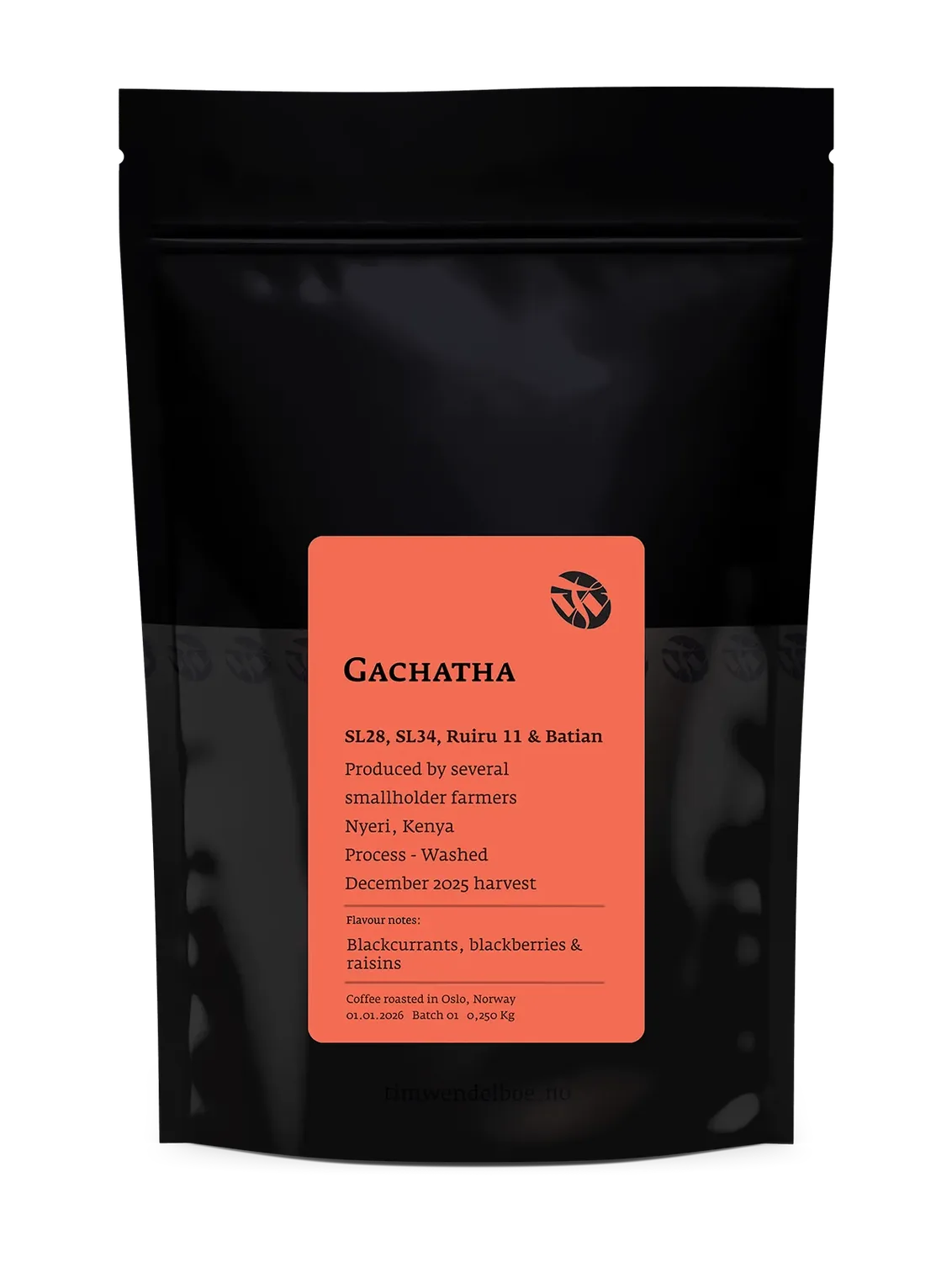
If all this talk of chocolatey, dependable coffee has you wanting brightness instead, the East African washing stations feeding those shrinking stocks also produce the opposite cup: a washed Kenya is all blackcurrant and structured acidity, a world away from a soft Brazilian.
What to watch next week
Luckin's Monday results are the first fixture, and they land against the wider question of how price-driven chains fare abroad. Keep half an eye on whether the Starbucks and Luckin stories start to converge on the same customer.
On the futures side, the two levers to track are Brazilian weather and the level of certified stocks. Stocks under 275,000 bags leave the market twitchy, so any fresh dryness forecast or a shift in the real could move prices quickly in either direction.
None of this changes the near-term advice for a home brewer: prices are high and likely to stay there, so buy fresh, buy what you will actually drink, and dial it in well. If you want help choosing, our decide tool narrows the catalogue by origin, roast and flavour, and the brew calculator keeps your ratios honest across every method.