The week's biggest story sat where it has for a month: Brazil. Sucafina finished its crop tour and raised its outlook for the 2026/27 harvest to record levels, and the arabica market kept falling on the news.
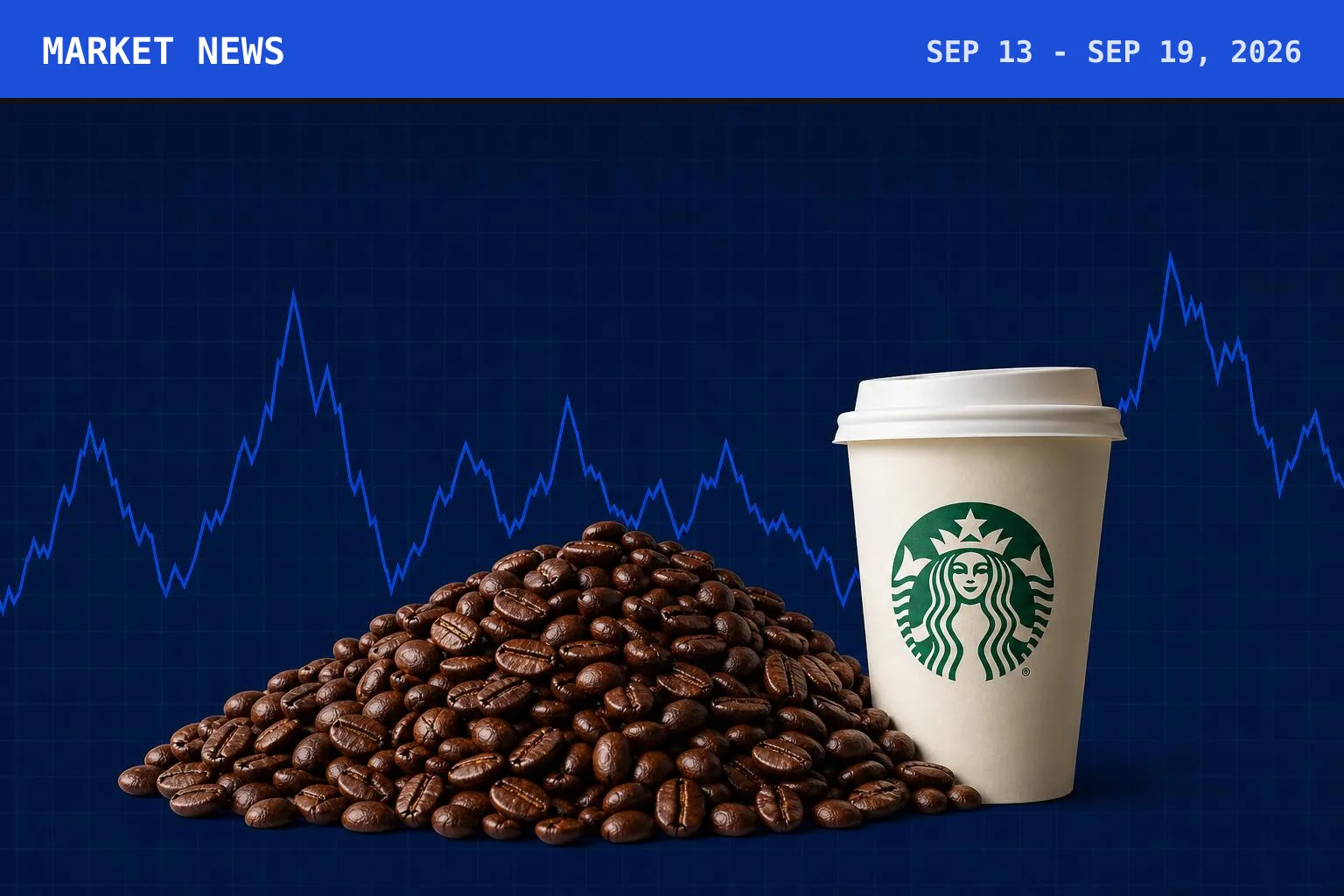
Arabica futures on ICE opened the week near 286.75 US cents per pound on Monday, sagged toward 273 by midweek, and closed Friday's December contract at 276.50 cents, down 1.79% on the day alone. Robusta drifted lower too, with the November contract slipping to $3,391 a tonne into the weekend.
| Market | Price | This week |
|---|---|---|
| Arabica (ICE Dec) | 276.50 ¢/lb | -3.57% |
| Robusta (ICE Nov) | $3,391/tonne | -1.14% |
For the drinker, the short version is this: the market is pricing in a big harvest, and that is the first genuine downward pressure after a brutal run of record highs through most of 2026.
Why arabica keeps sliding
The driver is simple: there is a lot of coffee coming. Sucafina's team, back from the field, now sees Brazil's 2026/27 crop at 49.7 million bags of arabica and 25.9 million bags of robusta, with both the Cerrado and Rondonia regions expected to produce record amounts.
The report called weather conditions nearly ideal across all growing regions. When the world's largest producer signals a record year with good weather, buyers stop chasing price, and futures drift down under the weight of expected supply.
That is what happened all week. Each session gave a little back, and by Friday the front month had shed more than 10 cents from Monday's level, a fall of roughly 3.6% across the week.
The intraday moves tell the same story. Friday's December contract swung between 274.60 and 280.70 cents before settling near the low, a sign that sellers, not buyers, were setting the tone.
It helps to remember what futures actually price. They are a bet on supply and demand months out, not the cost of any bag on a shelf today, so a record forecast pulls the whole curve down even before a single new bean is shipped.
The wider price backdrop
Step back from this week and the picture is calmer than the daily swings suggest. The International Coffee Organization's composite indicator averaged 287.29 US cents per pound in August, effectively unchanged from July's 287.26.
That flat monthly reading matters. It says the market had been holding at a high plateau, and this week's slide is the first real crack in that ceiling rather than a continuation of a long decline.
Trade is flowing, too. World coffee exports reached 12.23 million bags in July, up from 11.84 million a year earlier, so there is no shortage of beans moving even as prices wobble.
That combination, high but stable prices plus healthy trade volumes, is why this week's fall reads as a turning point rather than panic. Nothing broke; the market simply found a reason to stop rising.
What it means at the shelf
Not much yet, and not quickly. Futures are a leading signal, but the coffee in your grinder was bought months ago at prices set when the market was far higher. A soft week on ICE does not reset a roaster's costs overnight.
The better news is direction. After a punishing run of record-high arabica through much of 2026, a genuinely large Brazil crop is the first thing that could ease green-coffee costs into next year.
If the harvest lands as forecast, some of that relief should reach retail bags in 2027. It will show up first in everyday blends and supermarket tins, and only later, if at all, in single-origin specialty prices, which track quality and scarcity more than the futures screen.
That gap is worth internalising. A Gesha micro-lot or a small Kenyan washing station's best day-lot is priced on cup quality and tiny volume, so it barely notices what December futures do; a commodity blend feels it directly.
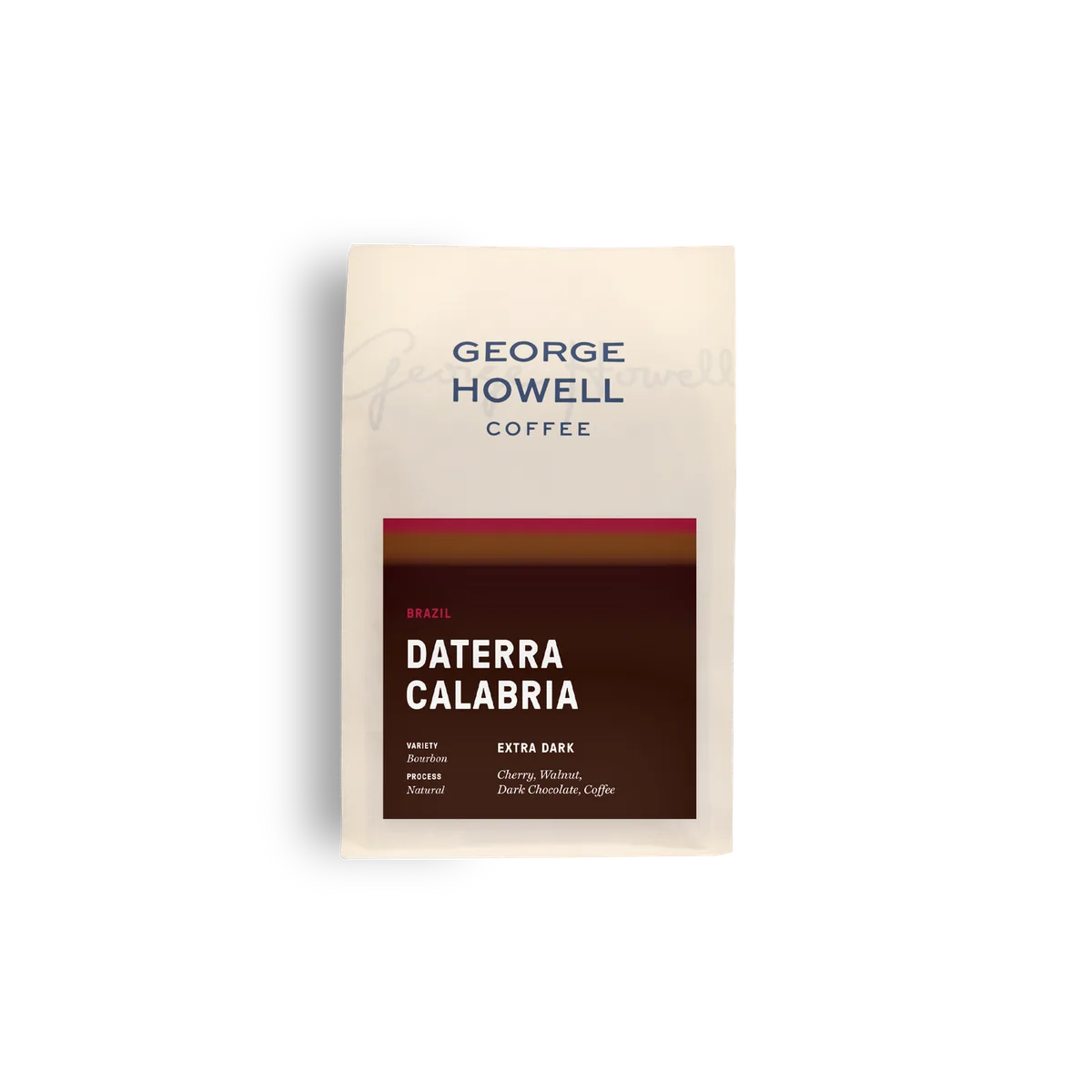
Brazil's naturals are the backbone of everyday espresso, so this is exactly the coffee those record bags will swell. If you want to taste what a good Brazilian natural does, this Daterra lot is a clean, chocolatey example.
Vietnamese origin prices also softened this week, sliding a few hundred dong a kilo to between 93,500 and 94,400 dong ahead of the new robusta harvest. That is a clear drop from the levels above 95,000 seen in mid-September, and it points the same way: more supply, lower ceilings.
Starbucks: a Snoopy cup and a store overhaul
The week's loudest consumer story was merchandise. On Tuesday, Starbucks launched a limited Peanuts collaboration in select stores, a 10-item range topped by a $39.95 Snoopy glass cold cup with a Woodstock straw figure, capped at two per customer.
It is timed to pumpkin-spice season and the special's 60th anniversary. These drops matter to coffee drinkers for a plain reason: they sell out fast and set the tone for the autumn cafe calendar.
On the business side, chief executive Brian Niccol used the week's messaging to push the turnaround. He flagged plans to upgrade roughly 1,500 stores by the end of the fiscal year and thousands more next year, and said China's coffeehouse count could climb from over 8,000 toward 15,000 to 20,000 locations.
The stock slipped about 0.4% on Monday even so. But the underlying numbers were firmer: global comparable sales rose 7.9% in the latest quarter, with transactions up 4.2%.
Tim Hortons goes airborne
On Wednesday, Tim Hortons and WestJet announced a partnership that puts a new Flight Roast blend, made with 100% premium arabica, on WestJet flights from November 30, with a loyalty tie-up to follow in 2027.
In-flight coffee is famously grim, so a named, specialty-adjacent blend at 35,000 feet is a small but real upgrade for travellers. It also shows how the big chains are chasing captive audiences well beyond the high street.
Elsewhere in coffee
US demand data landed on Tuesday and it was striking. The National Coffee Association's autumn report put specialty coffee consumption at a record 48%, with coffee still the country's most consumed beverage.
The habits are shifting to convenience: 55% of past-week out-of-home buyers used a drive-thru, and a record 40% ordered through an app. The takeaway is that specialty is now mainstream, even as ordering gets faster and more automated.
That mainstreaming is quietly good for growers of clean, high-scoring lots, because rising specialty demand rewards the quality end that futures prices largely ignore. It is the demand-side mirror of the supply story dominating the market screens.
Competition and awards filled the rest of the week. On Wednesday the Global Coffee Awards named Mexico's Cafe Baluarte de Veracruz the overall winner for Latin America, taking gold in both flat white categories, a good week for Mexico on the world stage.
Also midweek, Elizaveta Rimscaia of Moldova won the 2026 Julius Meinl Barista Cup with the highest overall score across all three categories.
A Colombia relief collaboration
On Thursday came a charitable tie-up worth noting. Jimmy Butler's Bigface and Colombian musician J Balvin launched a $78 Colombia Relief Bundle following the August 10 earthquake in western Colombia.
The bundle pairs Bigface's predominantly Colombian El Capitan blend with a limited hat, with net proceeds going to the Colombia Se Levanta reconstruction fund. It is a reminder that behind the futures screens sit real growing regions still recovering.
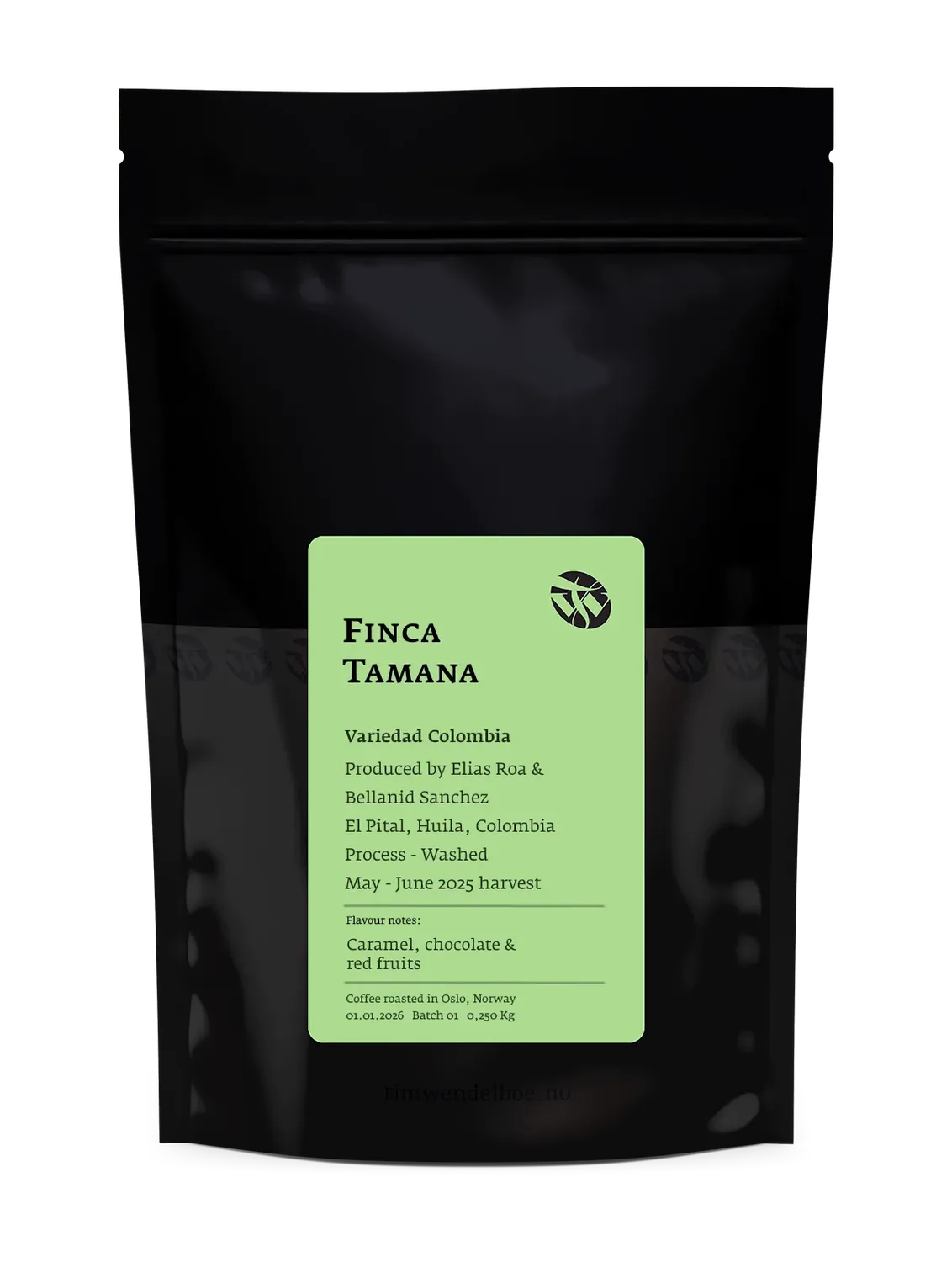
If the story nudges you toward Colombian coffee, a clean washed lot is the friendliest place to start. This one is bright and sweet without any fuss.
What to watch next week
Two things. First, whether arabica finds a floor near 270 cents or keeps sliding as the market fully prices Brazil's record outlook; a bounce would suggest the bad news is in, a break lower would not.
Second, Vietnam's new robusta harvest, which is just beginning to weigh on prices. If it comes in strong, expect more softness in the cheaper end of the market that feeds everyday blends.
For now, the shift is genuine after months of relentless highs. If you want to explore where these coffees come from, start at the origins map or let the decision helper narrow things down.