Wet-hulled coffee is made by an Indonesian method called giling basah, in which the tough parchment layer around the bean is stripped off while the bean is still soaking wet, at a far higher moisture level than any other process allows. That single step is what gives so many Indonesian coffees their savoury, earthy, full-bodied character and their famously low acidity.
Giling basah is Bahasa Indonesian for "wet grinding" or "wet hulling". It is practised almost nowhere else on earth: only in parts of Indonesia, especially Sumatra, Sulawesi and Flores. If a coffee tastes of damp earth, cedar and tobacco with a heavy body, wet hulling is usually the reason.
How giling basah actually works
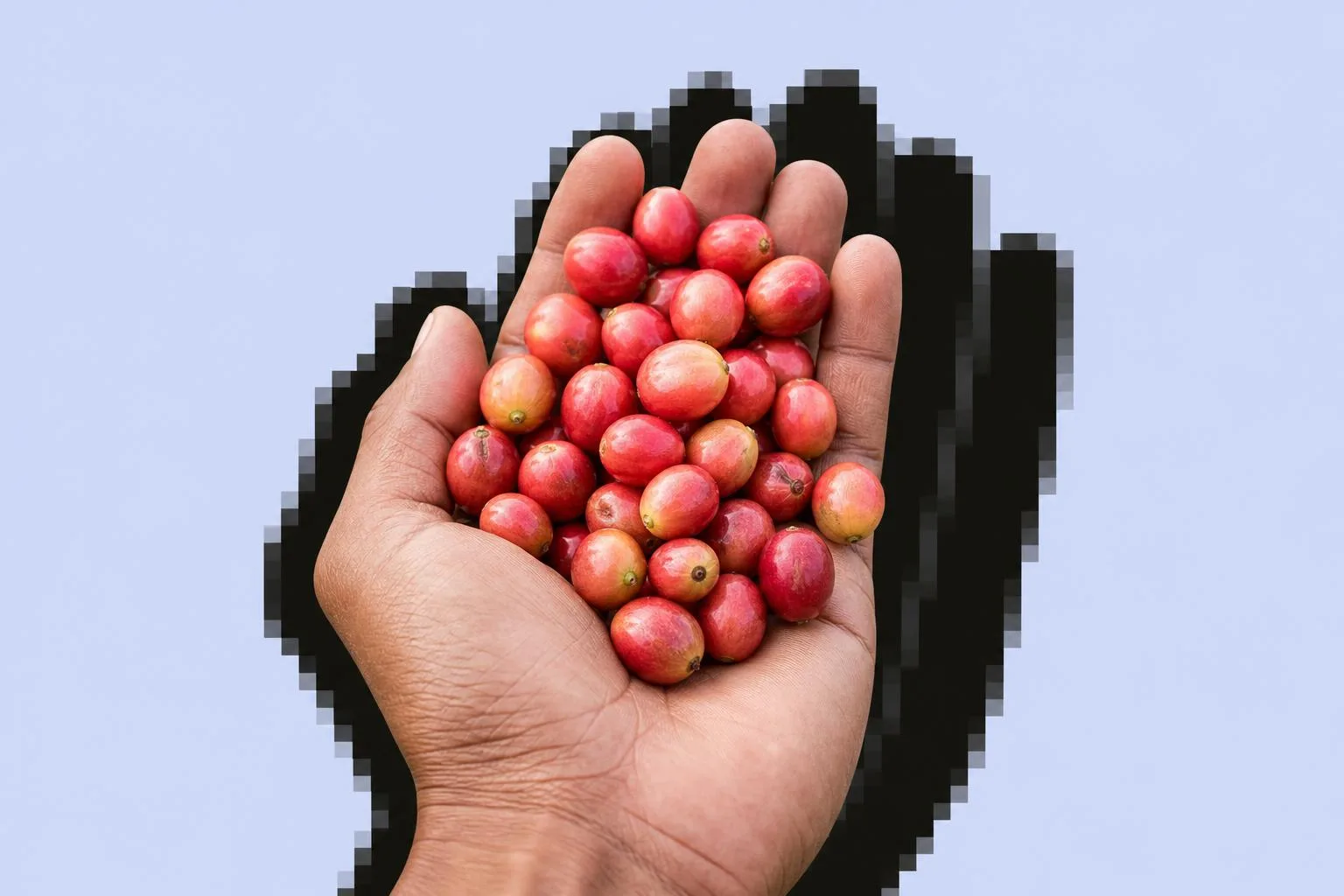
Every coffee starts as a cherry with a bean inside, wrapped in a papery shell called parchment. In most of the world that parchment stays on, protecting the bean, until the coffee is nearly dry and ready for export. Wet hulling breaks that rule.
After harvest the cherries are pulped, then the beans go through a short fermentation, typically around 12 hours, to loosen the sticky mucilage. They are washed, drained and partially dried on raised beds or tarps, but only partially.
Here is the crucial part. Instead of drying the beans down to the usual 10 to 12 percent moisture before hulling, mills pre-dry only to roughly 30 to 40 percent moisture, then remove the soft, swollen parchment while the bean is still plump with water.
Hulling a wet bean takes a special touch. The machine is essentially a de-pulper recalibrated to peel away the soft, saturated parchment without shredding the bean underneath, which is far softer than a fully dried one.
The beans are then dried a second time, now naked, down to about 11 to 12 percent for storage and shipping. Compare that to a washed coffee, which would dry slowly under its parchment for several weeks before hulling. Giling basah does it in two quick bursts.
Why Indonesia hulls its coffee wet
The short answer is the weather. Sumatra and its neighbours are hot, wet and humid, and consistent, uninterrupted drying is genuinely hard to achieve there.
A washed or natural coffee needs long, stable drying time to reach export moisture safely. In a climate where rain can arrive any afternoon, that is a real risk to a farmer's crop.
Wet hulling sidesteps the problem. By hulling the bean naked and finishing the dry without parchment in the way, the coffee reaches storage moisture much faster.
There is a historical thread too. Coffee arrived in Indonesia under the Dutch East India Company in the late 1600s, with the first plantings around 1696 failing to flooding before a second attempt in 1699 took hold. When the crop became valuable, drying and exporting quickly was a real commercial advantage.
So giling basah is not a fashion or a flavour trick invented in a lab. It is a practical answer to a difficult climate, one that smallholders have refined over generations.
The unmistakable Sumatra taste
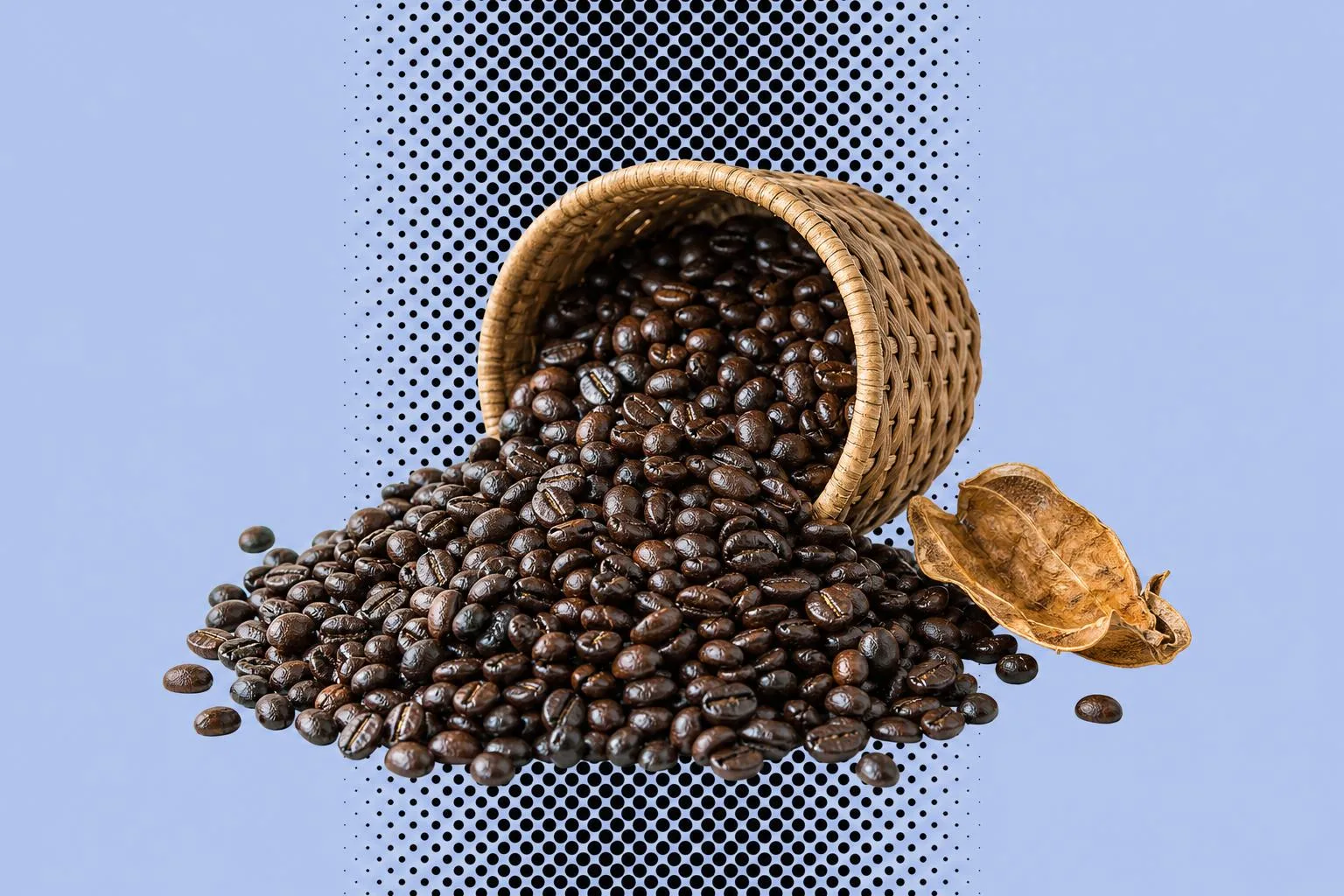
Wet hulling is responsible for the classic Indonesian profile: wood, earth, spice, tobacco, leather, a touch of mustiness and low acidity, all carried on a heavy, syrupy body. This is the cup that made "Sumatra" a shorthand for earthy coffee.
The earthy, savoury complexity comes at a cost. The bright fruit and floral notes you get from a washed Ethiopian or a punchy Kenyan coffee are largely absent, traded away for weight and mellowness.
There is even a visual fingerprint. As wet-hulled beans dry naked, they develop a distinctive bluish-green colour that no other process produces. Roasters can often spot giling basah green coffee on sight.
Why does removing parchment early change flavour so much? Without that protective shell, the wet bean is exposed to wider temperature swings and to ambient yeasts and bacteria during its second drying.
That microbial exposure, plus the physical stress on a soft bean, is what shapes the savoury, funky, low-acid character in the cup. It is fermentation continuing in the open air rather than being locked away safely under parchment.
Why specialty drinkers argue about it
Wet-hulled coffee genuinely divides people, and it is worth being honest about why. On a cupping table full of clean, bright Central American coffees, a wet-hulled Indonesian lot can read as flawed. Some professionals would score it as defective.
The deeper criticism is about terroir. Because the process leaves such a strong, uniform stamp, some tasters feel you end up tasting the giling basah method itself rather than the character of the specific Sumatran farm or variety underneath it.
If you love clarity, transparency and vivid acidity, that flattening is a real drawback. If you love body, warmth and a coffee that stands up to milk and holds its own in a moka pot, it is exactly the point.
Neither camp is wrong. It comes down to what you want a cup to do, and wet-hulled coffee is unapologetically built for comfort and weight rather than sparkle.
Giling basah is getting better
The old reputation, high body and low acidity but a bit rough and muddy, is not the whole story any more. With more attentive picking, cleaner fermentation and careful sorting, some producers are coaxing genuinely surprising cups out of the method.
One widely reported example is a lot from the Ketiara KOPEPI cooperative in Aceh that showed a pineapple-like acidity sitting under chocolate and tobacco sweetness, a combination that would once have seemed impossible from giling basah.
The difference is control. When cherries are picked riper, sorted harder and moved through each stage promptly, the earthy backbone stays but the muddy, off-putting edges fall away.
The key growing areas to know are Aceh, Gayo and Lintong, with Mandheling the most internationally recognised name on the shelf. Mandheling refers to a trade style and region rather than a single farm, so treat it as a flavour signpost, not a guarantee.
When you shop, look for a named cooperative or region and a roaster who clearly cares about the sourcing. That is your best hint that the earthiness will be clean and deliberate rather than a cover for careless processing.
What to drink, and how to brew it
If you want to taste the wet-hulled process at its most characterful, start with a single-origin Sumatran coffee rather than a house blend where its earthiness is buried. The one below is a clear, honest example of the style.
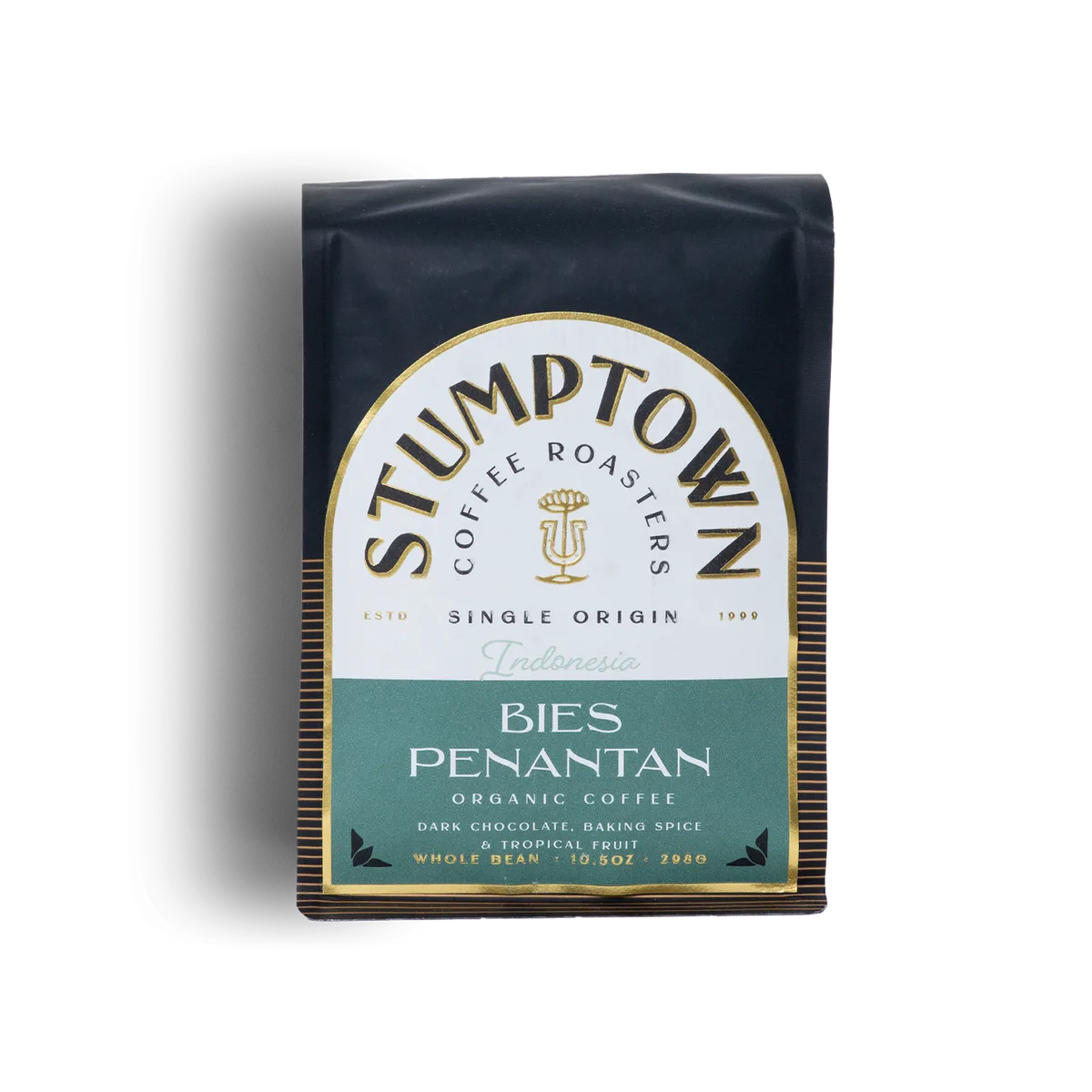
That coffee leans into the chocolate and earth you would expect, roasted light enough to keep it lively. It is a good introduction if you are curious but do not want something aggressively rustic.
Brewing wise, play to the coffee's strengths. Wet-hulled coffee shines in French press, where the metal filter lets that heavy body through and the mellow, low-acid profile feels rich rather than flat.
It also makes a warming, chocolatey espresso and a comforting base for milk drinks. Because acidity is already low, you do not need to chase brightness.
Instead aim for a slightly coarser grind and full extraction to draw out sweetness and avoid a dusty, ashy edge. If you are dialling in by weight, the brew calculator can help you land a consistent ratio before you start tweaking.
If you have only ever drunk clean, fruit-forward coffee, a wet-hulled Sumatra is worth trying at least once, if only to understand how much the processing shapes what lands in your cup. Some people never go back; others keep one bag for grey mornings.
The short version
Giling basah hulls the bean while it is still wet, at 30 to 40 percent moisture, because Indonesia's humid climate makes slow, parchment-on drying risky. That early exposure gives the coffee its earthy, spicy, full-bodied, low-acid signature and its telltale blue-green beans.
It is a love-it-or-leave-it style, and that is fine. If you want clarity and fruit, reach for a washed African coffee; if you want warmth, body and savoury depth, this is the process for you.
Start with one clearly sourced Sumatran lot, brew it in a French press, and decide for yourself. From there you can wander the rest of the processes or browse the full catalogue to compare it against the brighter styles.