The short answer is no: the August 2026 earthquake did not damage Colombia's coffee crop in any lasting way. The trees are rooted, the harvest is still on the branch, and the country's washing and milling infrastructure came through largely intact. The damage was human and severe, but the coffee supply chain absorbed the shock within days.
That is the reassuring part, and it is worth stating plainly before anyone panics about their morning cup. The real pressure on this year's Colombian crop comes from two slower forces: an El Nino weather pattern and a strong peso squeezing farmer margins. Those matter more than any single tremor.
What actually happened
A magnitude 7.4 earthquake struck at 7:34 a.m. local time on 10 August 2026, with an epicentre near San Jose del Palmar in the rural Choco department, west of Bogota. The USGS logged it as one of Colombia's most powerful this century.
The human toll was heavy. The quake killed 319 people and damaged infrastructure across a wide region, making it the country's most devastating in decades. That is the story that mattered most in the first days, and no discussion of coffee logistics should lose sight of it.
Crucially for coffee, the shaking reached the heart of the growing belt. The departments of Risaralda, Valle del Cauca, Caldas, Antioquia, Choco and Quindio were all affected. Caldas and Risaralda together account for roughly one-quarter of Colombia's total coffee production, so the initial fear was obvious.
Why the crop itself survived
Coffee grows on shrubs with deep root systems on steep hillsides. An earthquake does not shake cherries off branches the way a hailstorm or a frost destroys them. The physical crop was never the main risk here.
Think about what actually damages a coffee harvest. Frost kills leaves and cherries outright; drought starves the tree during flowering; hail strips fruit in minutes. Ground shaking, by contrast, is transmitted into the soil and the buildings, not into the ripening cherry hanging on a branch. That is why a violent quake can devastate towns while leaving the standing crop almost untouched.
The risk was to the processing chain, and that is where the news turned out well. Exporters reported no significant damage to coffee processing and milling facilities, and began dispatching shipments soon after the initial assessment.
That distinction matters more than it sounds. Colombia is the world's top supplier of washed arabica, and the washing and drying stage is exactly what gives the coffee its clean, sweet character. A quake that had flattened wet mills, as an earlier one did, would have threatened quality, not just logistics.
The export scare, and why it eased
For a few days the story looked worse. Exports were described as paused, with landslides and blockages around tunnels on the Cali to Buenaventura highway cutting access to the country's main coffee port.
That route is not a minor one. Industry figures put it at carrying roughly 60% of Colombia's coffee exports, and the country ships around one million 60-kg bags a month. Every day of gridlock holds up real volume, and a backlog at one port ripples out to roasters and buyers weeks later.
The fix came from two directions. Exporters were encouraged to reroute cargo to other ports including Cartagena, Santa Marta and Puerto Antioquia, and safety inspections on the Buenaventura corridor were cleared within about two weeks.
By 21 August the head of Colombia's coffee federation, German Bahamon, said flatly that there had been no issues with exports and that they were proceeding normally. The port that handles the bulk of shipments was back to routine, and the feared multi-month bottleneck did not materialise.
The bigger threats: El Nino and the peso
Here is the part that should actually shape your expectations. Growers and the federation now view the weather of an El Nino year as the far greater threat to output. As Bahamon put it, production was not affected by the earthquake but will very likely be affected by El Nino.
El Nino tends to bring hotter, drier conditions to Colombia. That stresses trees during the crucial flowering and cherry-filling stages, which shrinks both the size and the number of beans that make it to harvest. It is a gradual drag on yield rather than a single knockout blow.
The federation expects 2026 production to fall about 8% to 12.5 million 60-kg bags, down from 13.7 million in 2025. The cause is heavy rains earlier in the year followed by the drying stress of El Nino, not the quake. That is a meaningful drop for the world's third-largest producer, which supplies roughly 7% of global beans.
The second pressure is financial. Bahamon warned that the Colombian peso, at its strongest since October 2018, is eroding what farmers actually earn, with growers losing around 700,000 pesos, about 229 dollars, on every 125-kg load. When the local currency strengthens, the dollars a farmer earns for exported coffee convert into fewer pesos at home.
That squeeze is quiet but corrosive. Around 540,000 families depend on the industry across 840,000 hectares, and thin margins are what push growers toward other crops over time. It is a slower story than an earthquake, and a more important one for the long-term health of Colombian coffee.
Will Colombian coffee prices rise?
The market's reaction to the quake was brief. On 11 August the September arabica contract rose about 1% to around 3.34 dollars a pound on export worries, then whipsawed lower as the port news improved. Traders priced in a disruption, then priced it back out.
So the quake is not, by itself, a reason to expect a lasting price jump. If Colombian coffee gets more expensive over the coming year, the smaller El Nino-hit crop and the currency squeeze are the forces to watch, not the tremor.
For a coffee drinker, the practical read is calm. Supply of washed Colombian arabica is intact for now; the medium-term question is a tighter harvest and pressured farmers, which nudges prices up gradually rather than overnight. We wrote separately about how El Nino could push 2027 prices, and that framing applies here too.
A lesson from 1999
It is worth remembering why the export scare triggered such fast fear. In January 1999 a magnitude 6.1 quake struck Colombia's coffee region, killed 1,185 people and destroyed nearly 36,000 homes.
That earlier disaster damaged processing plants directly, and because the smoothness of Colombian coffee depends on its washing and drying infrastructure, it genuinely threatened quality. When the wet mills that de-pulp and ferment the cherry go down, the beans that follow cannot be finished to the same standard.
The 2026 event was larger in magnitude but spared the mills, which is the single biggest reason the coffee outcome is so different. Geography helped too: the epicentre sat in rural Choco rather than directly under the densest processing towns.
What to do, and what to drink
If you love Colombian coffee, there is nothing to stockpile and no crisis to react to. Buy as you normally would, and expect prices to drift with the harvest and the peso rather than lurch.
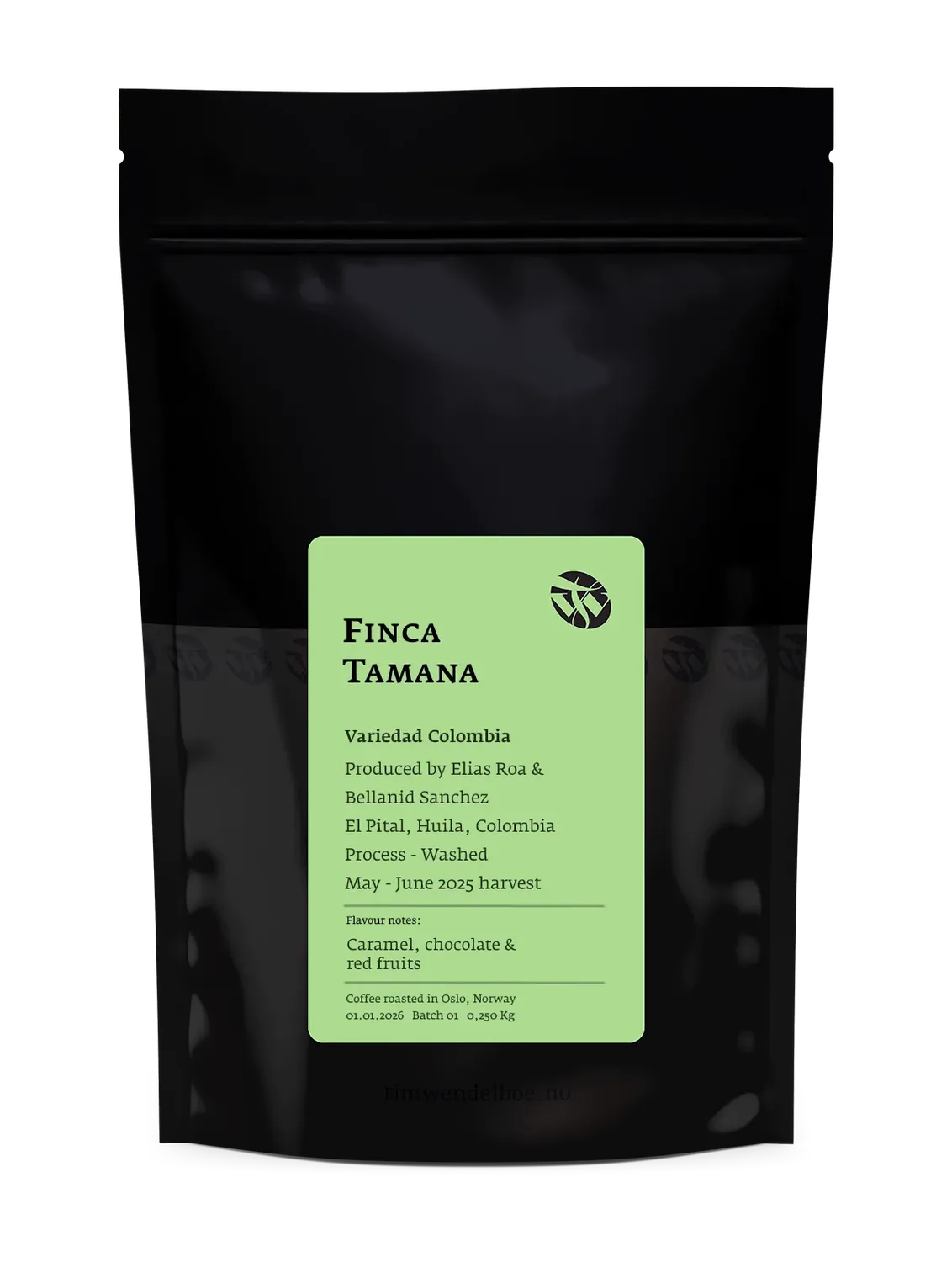
Colombia's calling card is balance: sweet, clean and dependable, the friendly all-rounder of the coffee world. A classic washed lot from the country is the clearest way to taste what the supply chain just protected.
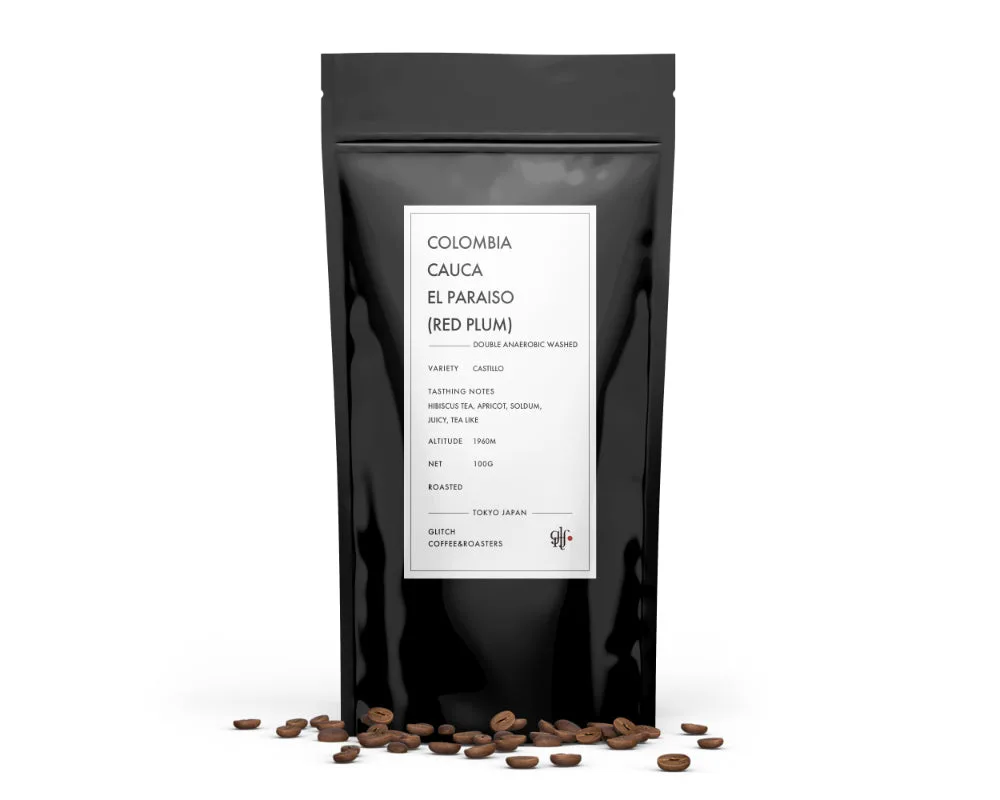
If you want to see the country's more adventurous side, its farms are also driving some of the most inventive anaerobic work in specialty coffee right now. This one leans into bright fruit rather than the usual chocolate-and-nut register.
From here, browse the full Colombia origin page to see what is in stock, or use the decide tool if you want a nudge toward the right roast and process for how you brew. The catalogue refreshes and prices move, so treat any single listing as a snapshot.
The headline holds: the earthquake was a tragedy for the region, but not a catastrophe for the crop. Watch the weather and the currency instead.