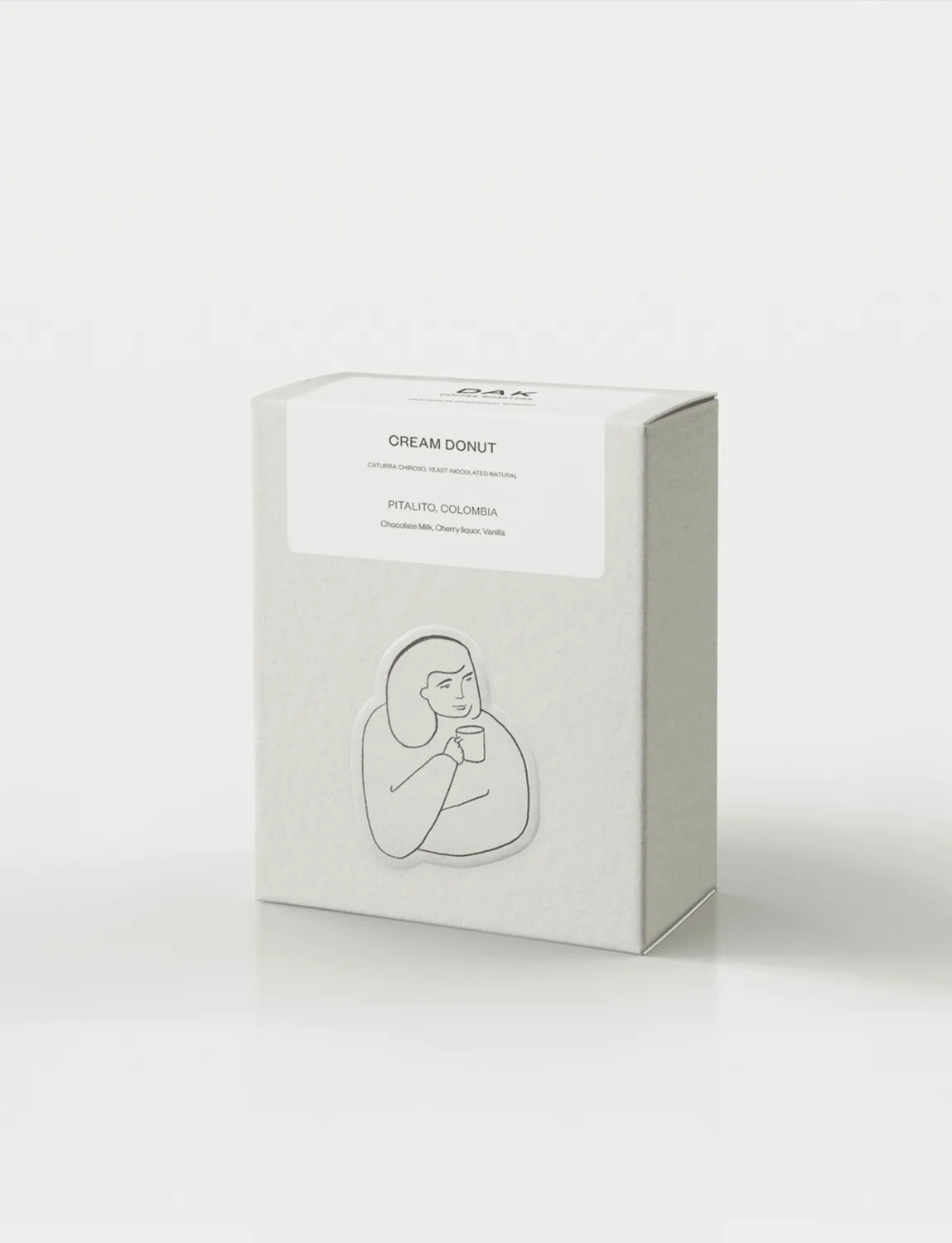
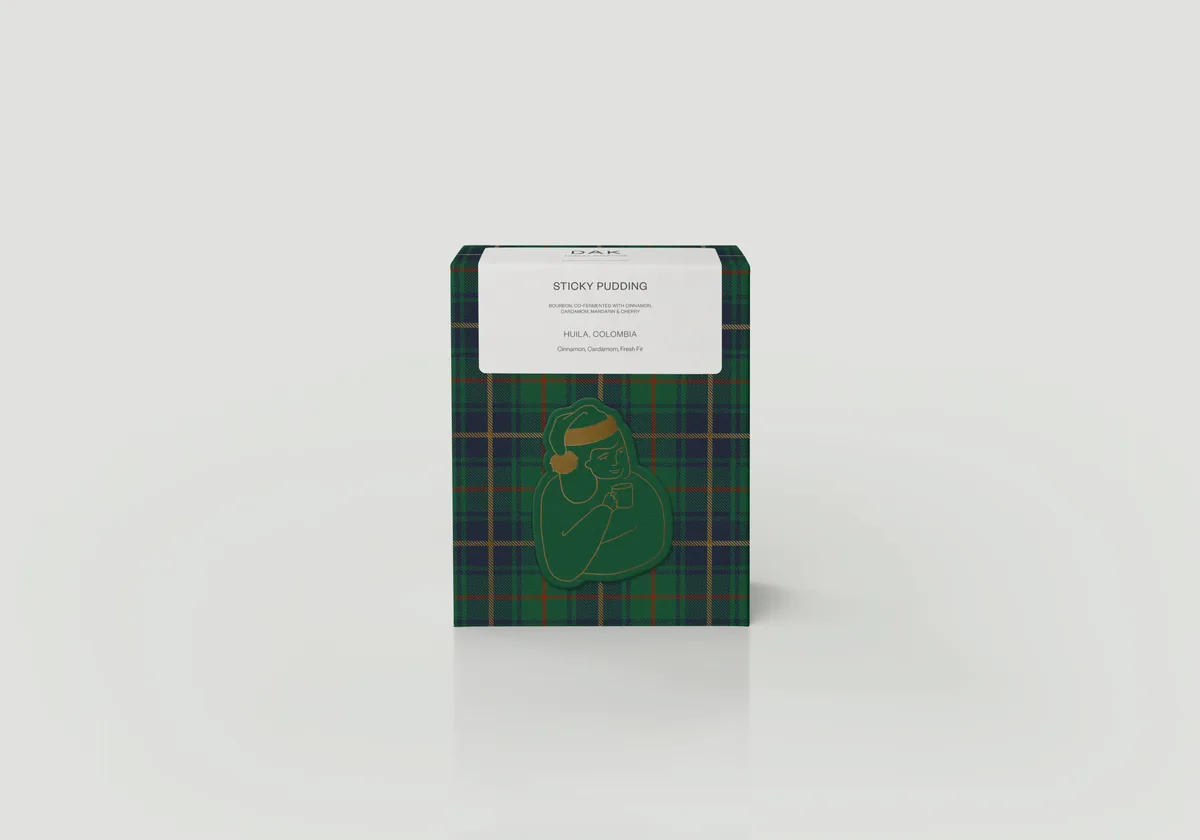
The newest frontier of processing: producers add something to the fermentation — fruit pulp, cultured yeasts, spices, or precise temperature programs — so that flavour develops into the seed rather than just around it. Done well (Amsterdam's DAK built a cult lineup on it) the results taste like candy and perfume: wildly expressive cups no terroir alone could produce. Done badly it's a costume. Purists argue it masks origin character; fans answer that it's honest, labelled, and delicious. The index takes no side — the tag simply tells you what you're getting.
- 1Pick ripe cherries
- 2Load tanks with cherries plus fruit, yeast or spice cultures
- 3Ferment sealed and temperature-controlled, hours to days
- 4Dry as a natural or wash clean, depending on the target
- 5Rest before hulling so the developed flavours settle
| Photo | Coffee | Origin | Roast | Price |
|---|---|---|---|---|
| Cream DonutDAK · 🇨🇴 Colombia · Caturra, Chiroso · Light roast | 🇨🇴 Colombia | Light | $24.51 | |
| Sticky PuddingDAK · 🇨🇴 Colombia · Bourbon · Light roast | 🇨🇴 Colombia | Light | $31.21New | |
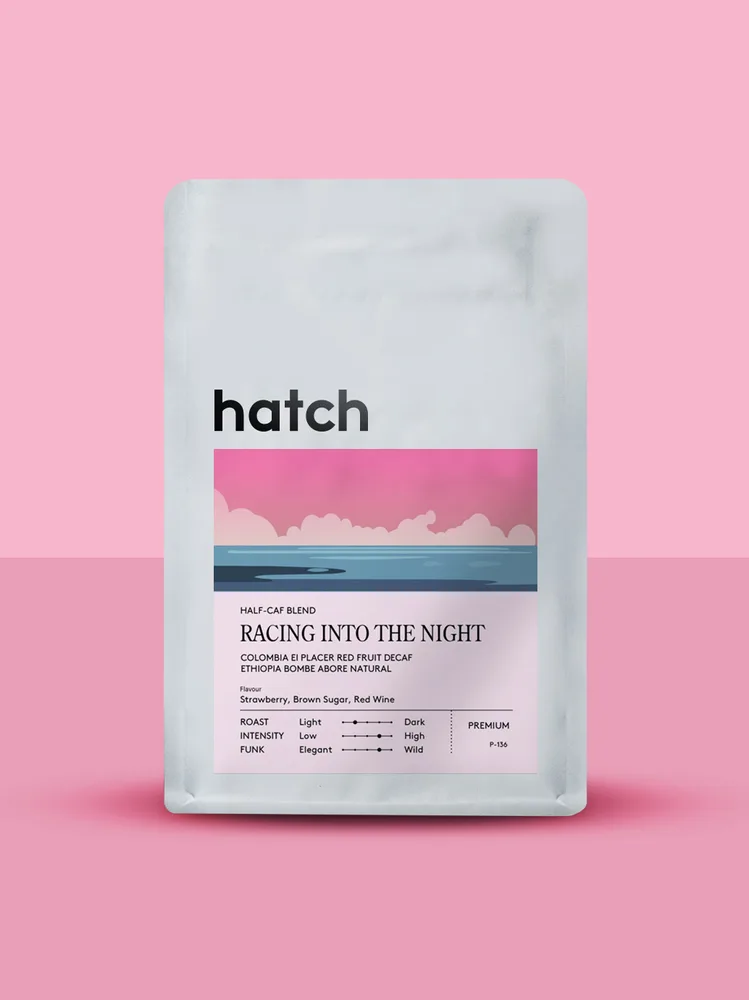
| Racing Into The NightHatch · — · Caturra · Medium roast | — | Medium | $23.46 | |
| Easy ModeMonogram · 🇨🇴 Colombia · Light roast | 🇨🇴 Colombia | Light | $17.77 | |
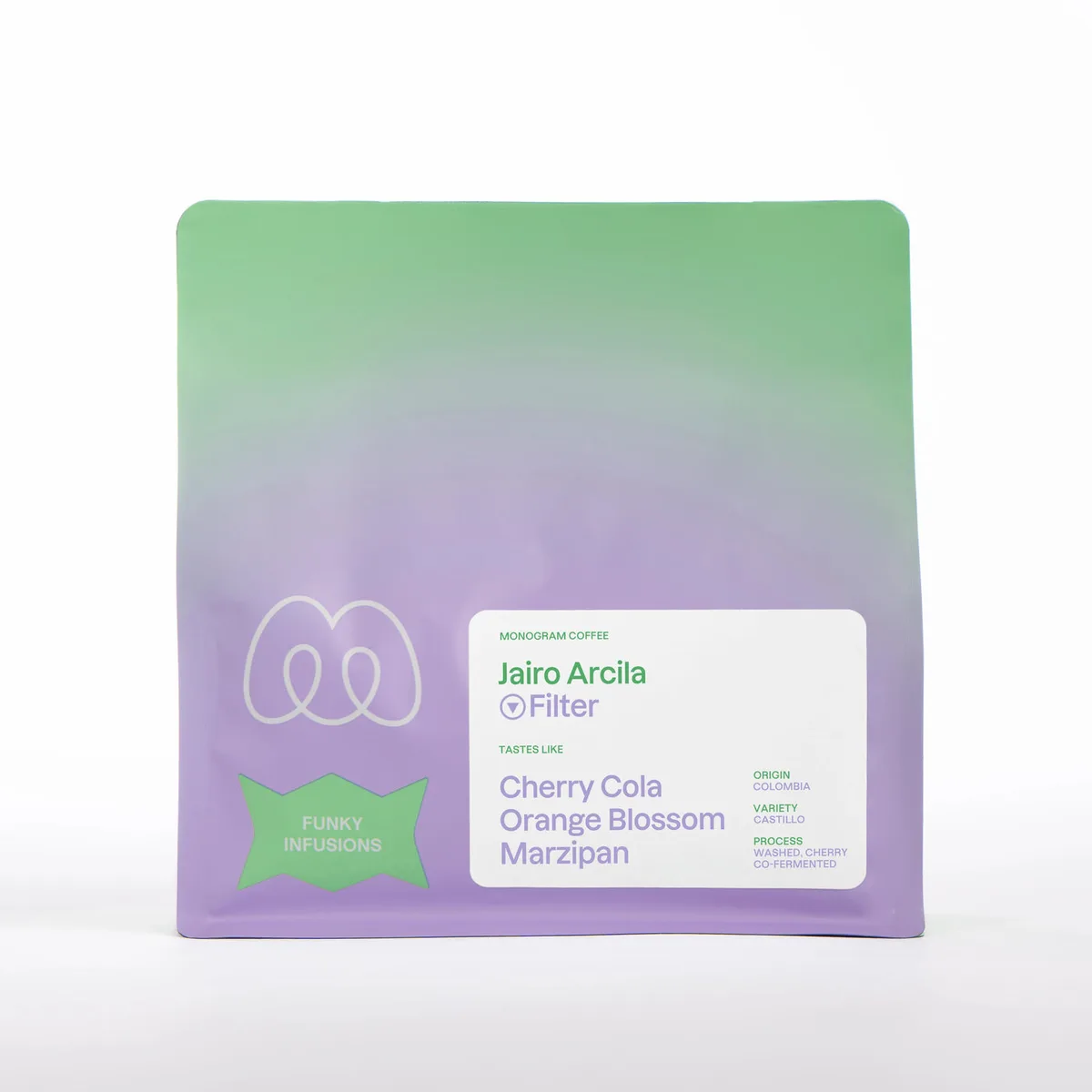
| Jairo Arcila CherryMonogram · 🇨🇴 Colombia · Castillo · Light roast | 🇨🇴 Colombia | Light | $24.17 |