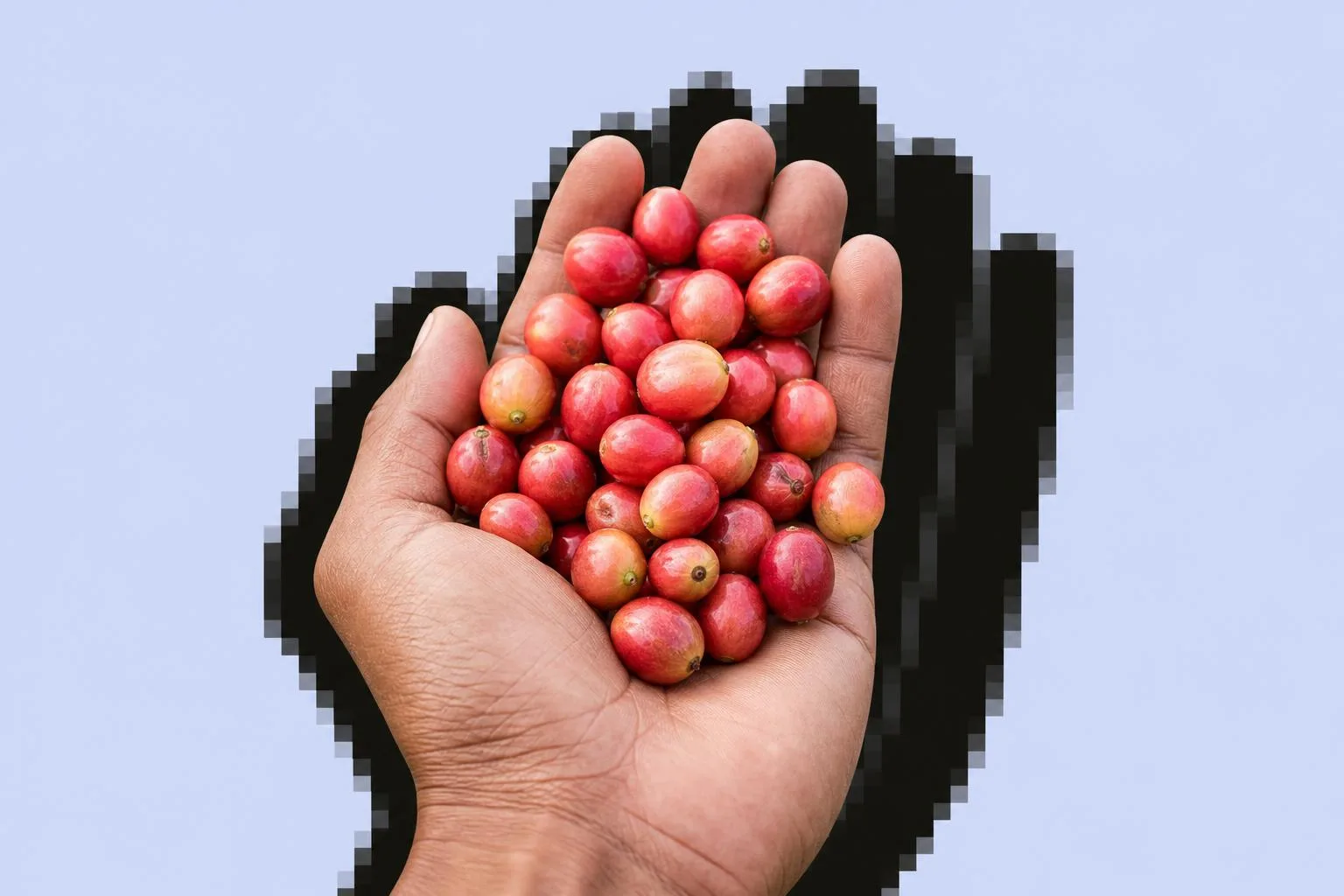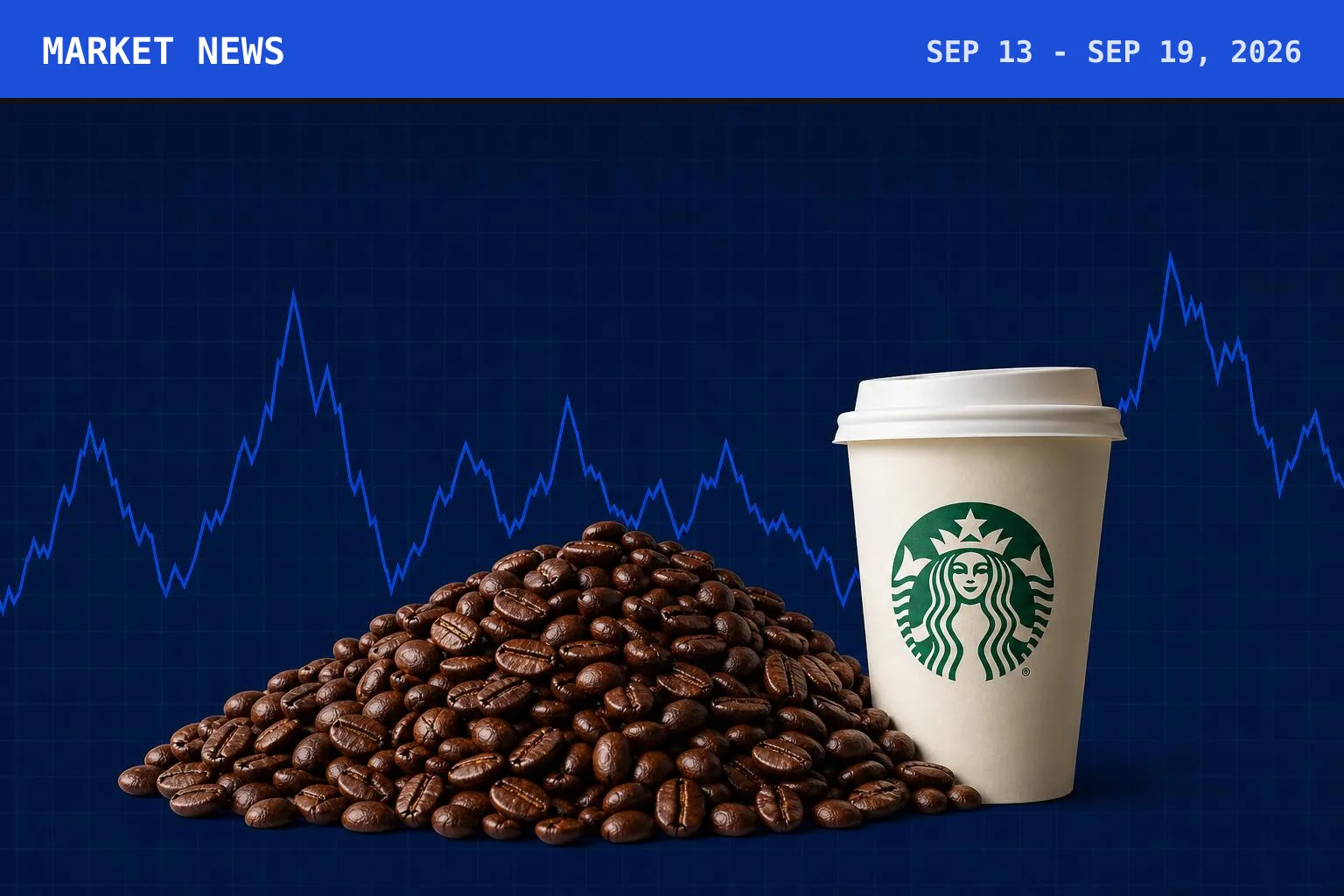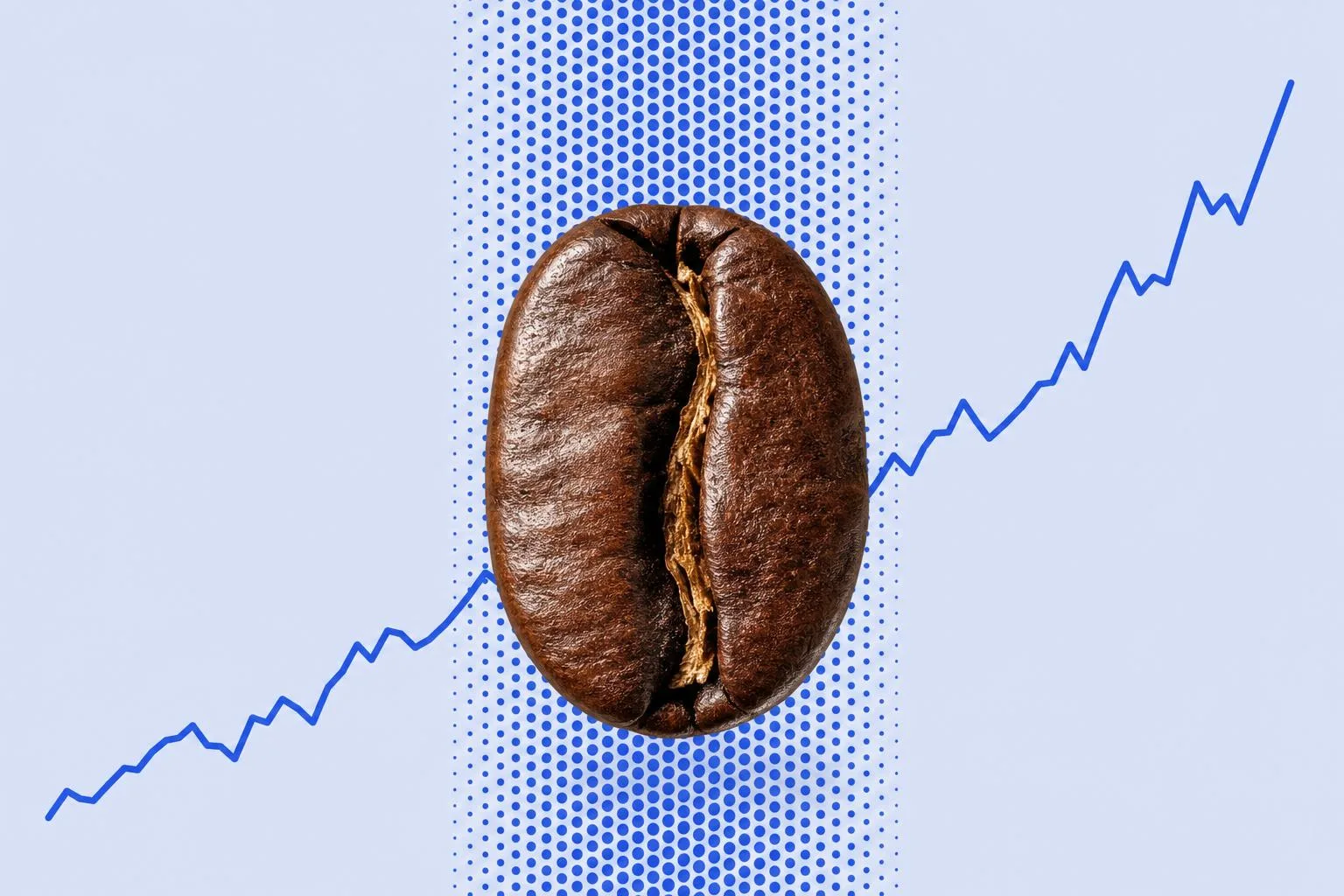
Coffee is getting more expensive again because the world's biggest producer is having a strange harvest. Heavy June rains in Brazil delayed picking, then conditions flipped sharply dry, raising questions over bean quality and the next crop. On top of that, Japan's Meteorological Agency confirmed an El Niño weather pattern has formed across the equatorial Pacific, the kind that brings floods, droughts and temperature swings to coffee regions.
Traders reacted fast: on Monday 6 July, September arabica futures jumped 48.75 cents, or 16.2 percent, to 349.95 cents per pound. That was the largest single-day percentage gain the New York benchmark has recorded this century.
So yes, prices are going up, and the move has been violent. Arabica had already climbed 25 percent from its June low of 240.90 cents by early July.
Robusta, the harder, more bitter species used in a lot of instant and commercial blends, rose 8.8 percent in the same session to a five-month high of 4,044 US dollars per tonne. Prices then wobbled back down toward the end of that week, but the trend for your bag of beans is still upward: over the month to 10 July, the benchmark rose 33.57 percent, and it sat 15.82 percent above where it was a year earlier.
Brazil sets the world price, and Brazil is behind schedule
Brazil grows roughly a third of the world's coffee, so its weather moves the global price whether you drink Brazilian beans or not. When picking runs late there, exporters have less to sell into the market right now, and every buyer feels it.
This year the harvest is genuinely behind. As of 1 July, Brazil's 2026/27 crop was only 52 percent picked, against 60 percent at the same point a year earlier and a five-year average of 55 percent. The cause was that June rain: coffee cherries need dry weather to be picked and dried cleanly, and a wet spell stalls the whole operation.
The worry is not only the delay but what the abrupt swing to dry heat does to bean quality and to the trees setting up next season's crop. Coffee plants are unusually sensitive to sharp weather changes, and the market prices in that uncertainty long before anyone can measure the damage.
Brazil's giant, sun-dried natural lots are the base of much of the world's espresso, which is why a hiccup there ripples into cafe menus everywhere. If you like a nutty, chocolatey Brazilian in the cup, this is a good moment to understand what you are paying for.

El Niño adds a second layer of fear
The El Niño confirmation matters less for the coffee in your cupboard today and more for the coffee two years out. Analysts do not expect the 2026/27 Brazilian crop to be directly hurt by it.
The real risk is to the 2027/28 crop, if altered rainfall patterns disrupt flowering in the early southern spring. Flowering is the moment the tree decides how many cherries it will carry, so bad timing then can quietly shrink a harvest nobody has seen yet.
Markets hate that kind of open-ended uncertainty, and they price it in early. El Niño also threatens coffee production across Asia and South America more broadly, so the pattern is a background worry sitting under every headline about Brazilian rain.
Empty warehouses make every scare bigger
Here is the part that turns a normal supply wobble into a 16 percent day. Coffee held in exchange-certified warehouses is near multi-year lows.
Those stockpiles are the market's shock absorber: when a harvest runs late, buyers normally draw down warehoused beans to bridge the gap. With the cushion thin, there is nothing to soften the blow, so a single weather report can send prices lurching.
Brazilian growers have read the situation the same way. Many have been holding back sales, betting prices will climb further and bracing for this year's weather to bite. When farmers sit on their beans and warehouses are already low, the beans available to buy right now shrink even more, and the price of those beans rises to match.
The confusing part: a record crop is still forecast
Here is what makes 2026 genuinely odd. Even as prices spiked, the underlying supply numbers looked comfortable.
The USDA's Foreign Agricultural Service forecast a record 2026/27 Brazil crop of 71.9 million bags, up 14 percent on the year. Rabobank raised its estimate of the global arabica surplus for the same season to 9.5 million bags, up from 7.0 million.
So how can prices soar while forecasters predict more coffee than the world needs? Because a harvest forecast is a bet about the next twelve months, while the price today reflects what you can actually buy today.
Right now that is: a delayed harvest, low warehouse stocks, growers holding back, and fresh El Niño uncertainty about 2027/28. The bumper crop may well arrive. The market simply is not willing to relax until it can see the beans, weigh them and cup them.
There is a real counterweight worth holding onto, though. Colombia, the second-largest arabica origin, saw yields surge 43 percent year on year in June, which its growers' federation put down to better weather and improved flowering. Colombia's clean, sweet, dependable washed coffees are exactly the kind of everyday bean that keeps supply flowing when Brazil stumbles.
Why the price also crashed within the same week
If you watched the number after that record Monday, you saw it fall again: coffee dropped 3.92 percent on 10 July, and settled sharply lower to end the week. That was not the weather story reversing. It was the plumbing of the futures market.
During the week, ICE, the exchange where coffee is traded, raised the margin requirements for coffee futures twice. Margin is the cash a trader must post to hold a position.
When it goes up, holding a position gets more expensive, and thinly capitalised funds are forced to close out. That drained liquidity from the market and prompted funds to sell, producing exaggerated one-way moves in both directions. In plain terms: some of the wild swings you saw were financial mechanics, not fresh news about coffee trees.
That distinction matters for a coffee drinker. The day-to-day thrashing of the futures screen is noise. The signal underneath is a genuinely tight supply picture that will take time to loosen.
What this means for the price of your cup
Green coffee is only one line in what you pay for a bag or a flat white. Roasting, packaging, shipping, labour and a cafe's rent all sit on top, and none of those fall when futures dip for a day. That is why retail prices tend to climb slowly on the way up and stay sticky on the way down: roasters buy months ahead, so today's spike shows up in your bag later, and a brief pullback rarely reaches the shelf at all.
The medium-term outlook is not encouraging for bargain hunters. Italian roaster Lavazza has said the volatility is set to linger, and that it will take at least two strong harvests plus a significant rebuilding of inventories before constraints ease.
On that view, meaningfully lower prices are unlikely over the next two years. Specialty coffee, already priced above commodity blends because it is bought on quality rather than the futures number, tends to move less dramatically day to day, but it is not immune to a market this tight.
What to do about it
You do not need to panic-buy, but a few habits genuinely stretch your money when green prices are high.
- Buy whole beans and grind fresh. It is the single biggest quality-per-dollar upgrade, and it costs nothing extra once you own a grinder.
- Weigh your coffee and dial in a proper ratio. Guessing scoops wastes beans. A simple weight-based recipe and the brew calculator will squeeze more good cups out of the same bag.
- Lean into value origins. Colombia and other Andean washed coffees are having a strong season and often cost less than trophy lots while cupping beautifully.
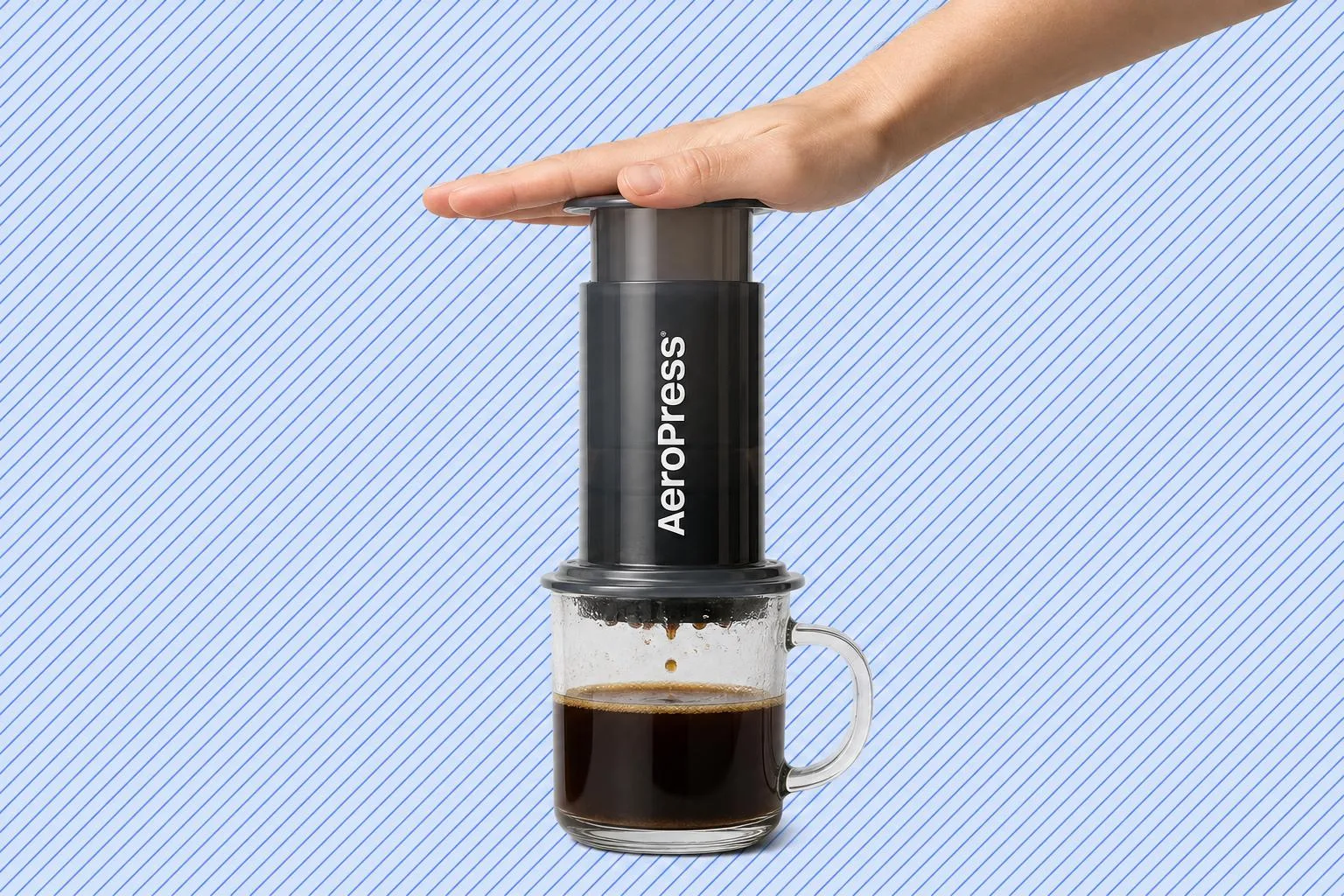
- Try brew methods that reward cheaper beans. Cold brew and French press are forgiving and make everyday coffee taste sweeter and rounder.
Most of all, remember that the scary headline number is a wholesale futures price for one grade of coffee, swinging partly on margin calls and fund positioning. It is not the price of your morning cup. It is a useful early warning that beans will stay dear for a while, not a reason to change everything today.
If you want to spend your coffee budget well right now, start with our decision helper to narrow down by roast, origin and price, then browse the full catalogue. The line-up refreshes and prices move with the market, so what is in stock and what it costs will keep shifting, exactly as this story predicts.