Arabica did most of the moving this week. Prices firmed as the beans immediately available to settle futures drained to a near two-year low, while a record Brazil harvest kept a lid on how far the rally could run.
That tug of war, tight deliverable supply against a big incoming crop, was the whole story from August 16 to 22. Away from the market, Starbucks trimmed jobs to close out its restructuring, and Japan's UCC put money into the robusta supply chain most drinkers quietly rely on.
The market: arabica firms, robusta drifts
| Market | Price | This week |
|---|---|---|
| Arabica (ICE Sep) | 324.35 ¢/lb | +3.30% |
| Robusta (ICE Nov) | $3,594/tonne | -4.60% |
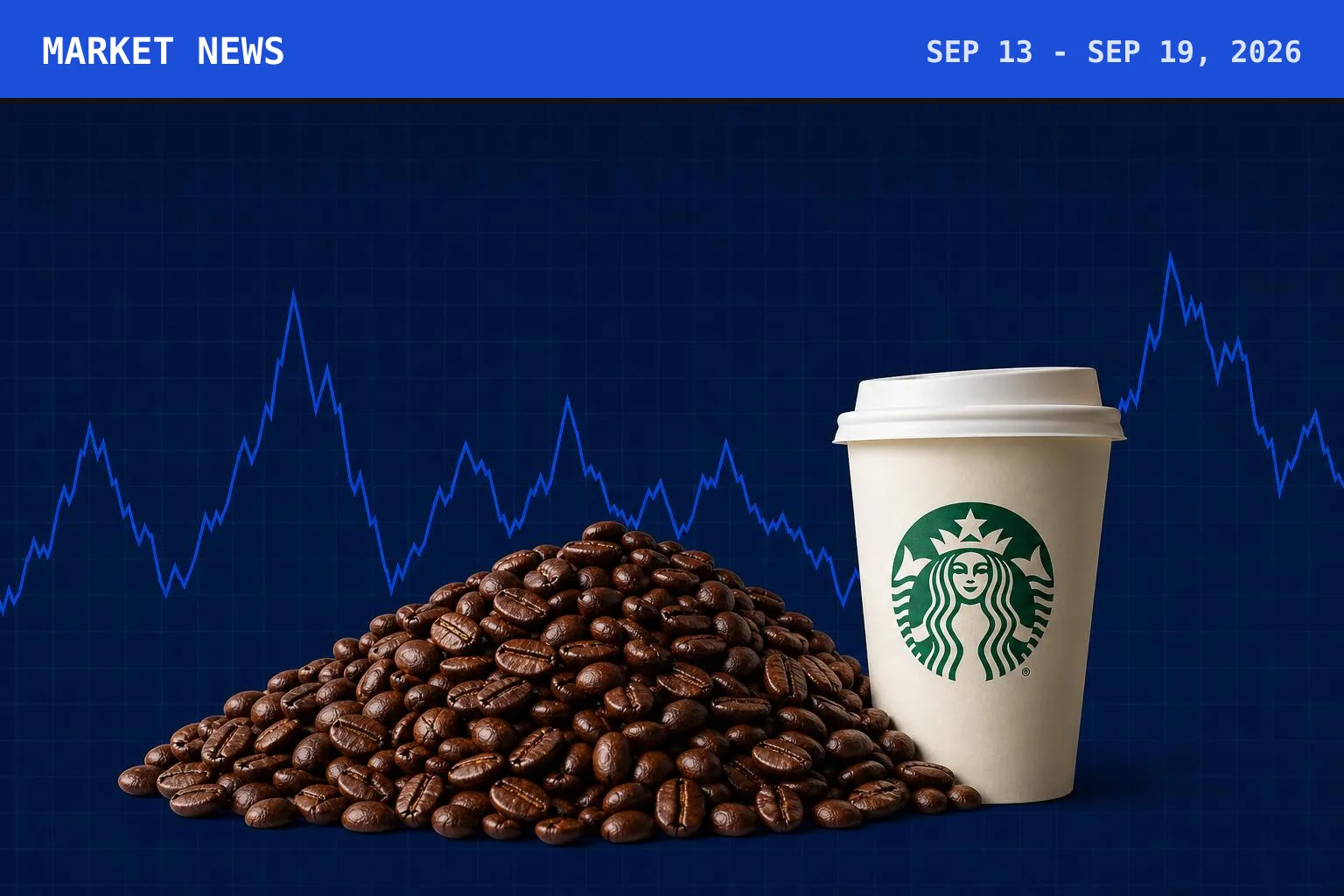
The front-month arabica Coffee C contract on ICE closed at 324.35 US cents per pound on Thursday, August 21, up roughly 3.3% from about 314 cents the previous Friday. For a fortnight of headlines about a huge crop, that is a firm week.
The reason is supply that is tight exactly where futures care about it. ICE-registered certified stocks, the graded beans on hand to settle contracts, fell to about 242.7 thousand bags, the lowest level since late 2023. Rejected Brazilian lots during classification and a lack of fresh certifications kept that deliverable pool thin.
Think of certified stocks as the shop-front shelf of the futures market. A record crop can be sitting in warehouses across the interior, but if very little of it is graded and ready to deliver against a contract, the price of the nearest contract stays tense. That gap between paper plenty and physical scarcity is doing the work here.
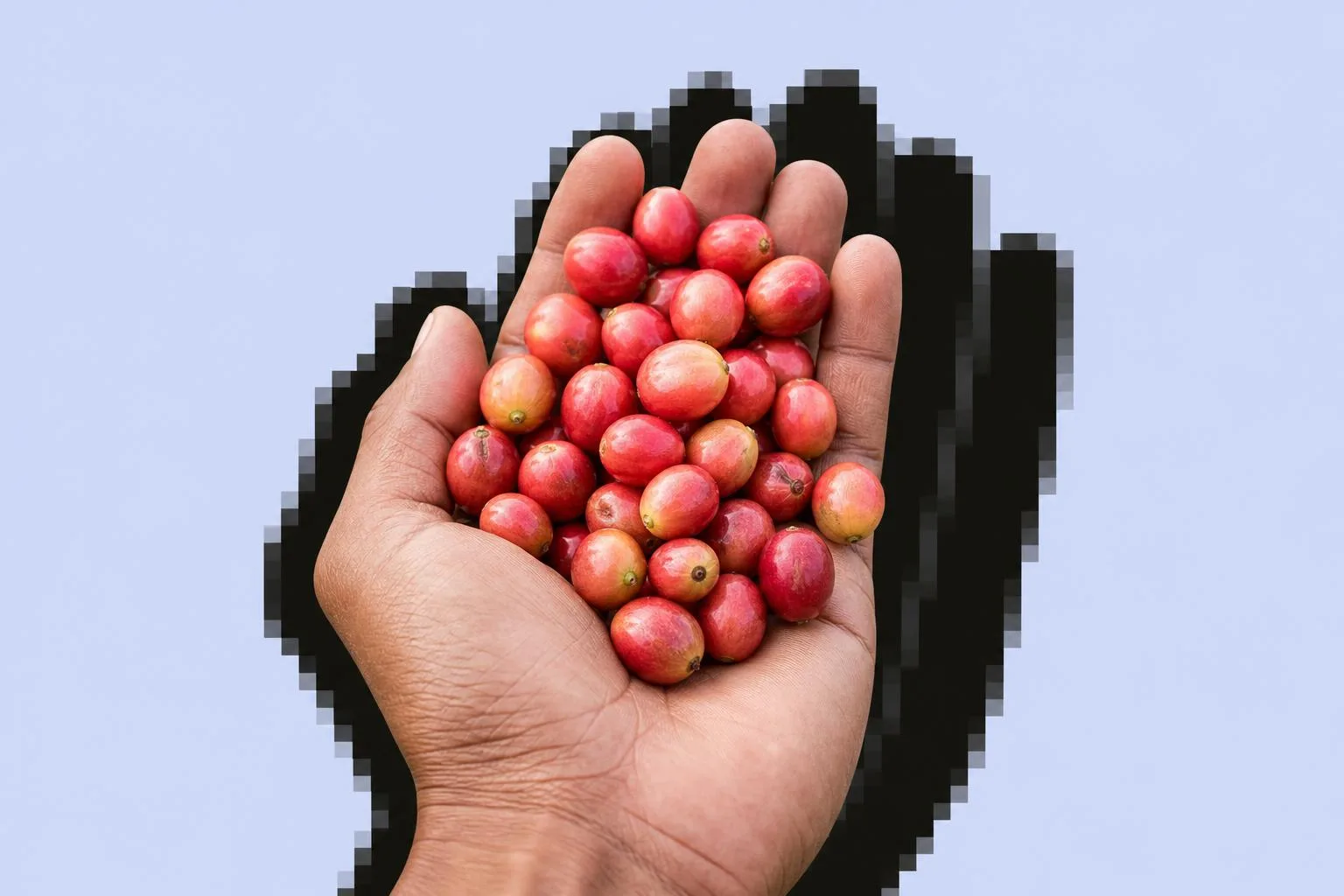
That squeeze is pushing against a much looser background. Brazil is harvesting a record 2026/27 crop, and drier weather let field work speed up: the Cooxupe co-op reported 81.1% of its harvest complete as of August 14, up 7 points on the prior week, though still a shade behind the 86.1% seen a year earlier.
Weather did the pushing. Somar Meteorologia reported just 0.6 mm of rain, about 11% of the historical average, in the week ended August 16 across Minas Gerais, Brazil's main arabica region. Dry skies are good for drying cherries and finishing the harvest, which is why the record crop keeps capping the upside even as stocks stay lean.
There is a catch to that record, too. StoneX noted that Brazilian commercialisation is running slower than expected given the sheer projected volume, meaning growers are holding beans back rather than flooding the market. Slow selling into a tight deliverable pool is a recipe for exactly the firm-but-not-explosive week we just had.
Robusta, the workhorse bean behind most instant coffee and espresso blends, leaned the other way. StoneX's weekly report, published Monday, put the London November contract at 3,594 US dollars per tonne, down 4.6% and its lowest in about a month and a half, and the front month drifted a touch lower again midweek.
One cloud on the robusta horizon: in parts of Vietnam's Central Highlands, growers and traders estimate the next crop could fall by around 20% after dry weather and irrigation trouble. Nothing in this week's price says panic, but it is worth watching as the year turns toward the next flowering.
What does all this mean at the shelf? Not much, immediately. Green coffee this expensive has already worked its way into bag prices over the past year, and a firm-but-not-spiking week like this one keeps the pressure on without adding a fresh jolt.
The two contracts diverging is itself a small signal. When arabica firms while robusta softens, the price gap between a bright, high-grown washed coffee and a cheaper blend bean widens, and that spread eventually shows up in how roasters build and price their everyday blends.
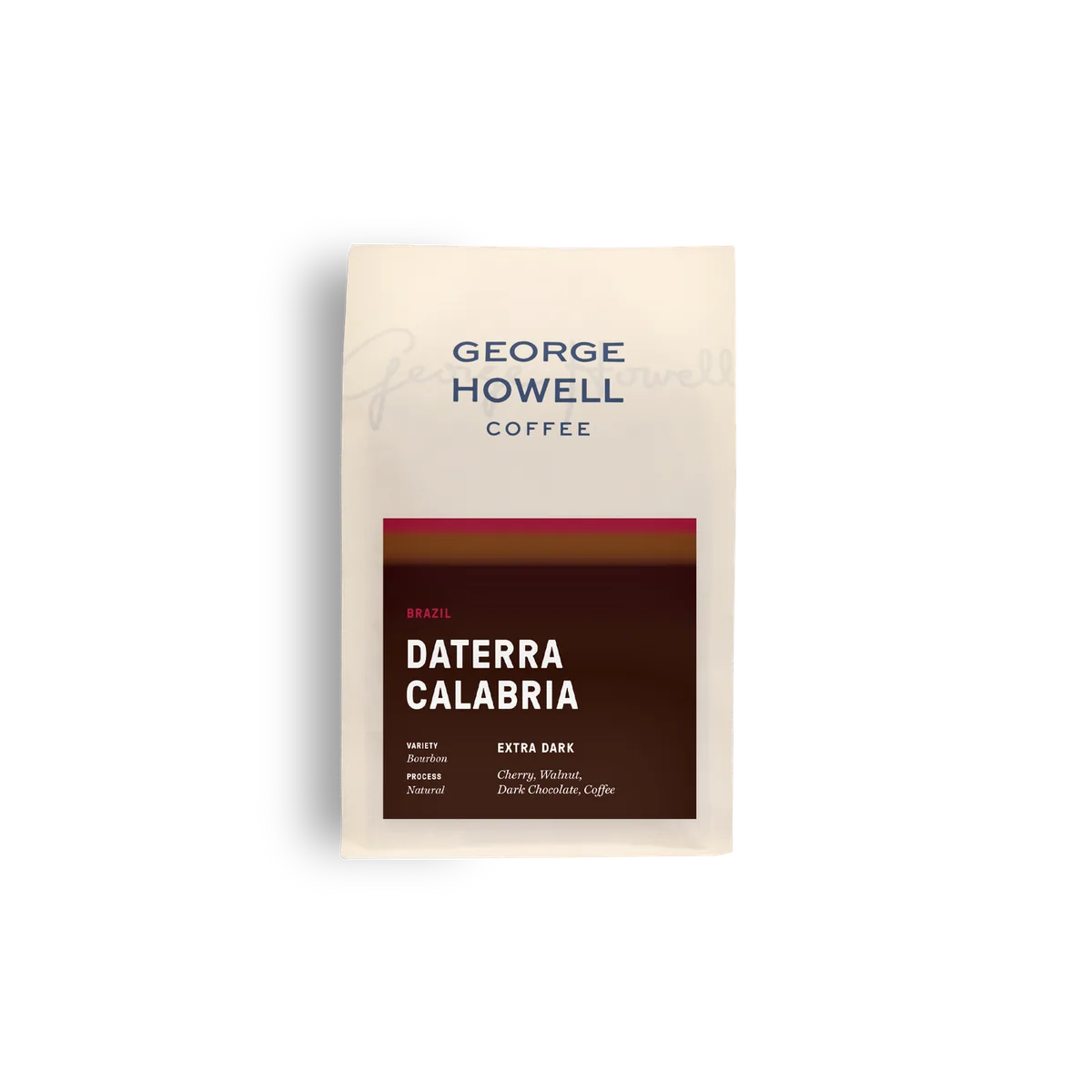
If the Brazil story has you curious about what a good natural Brazilian actually tastes like, this is a clean, sweet example of the natural process done well, all winey berry and cocoa rather than the flat nuttiness the origin is often reduced to.
Big names: Starbucks trims, UCC digs into robusta
On Thursday, August 20, Starbucks eliminated 104 roles as it wrapped up a restructuring meant to boost growth, and said it would lay off staff who declined to relocate to its new Nashville office. The cuts hit teams including store design and construction.
It is part of the wider reshuffle the company announced in May, which included job eliminations in the US and abroad. For drinkers, this is not a menu change; it is a signal that the chain is still squeezing costs while it works through its turnaround.
Cutting design and construction roles is a quiet tell. It suggests the company is slowing the pace of new store builds and remodels rather than reshaping the drinks you order, so expect the turnaround to show up first in the estate, not the cup.
On August 19, Japanese coffee giant UCC launched a regenerative farming pilot in Vietnam, testing whether shade planting, cover cropping and biochar-based compost can improve how coffee trees grow. It is a small trial, but a large roaster investing in the robusta supply chain matters more than it sounds when you remember how much everyday coffee leans on that bean.
With Vietnamese crop estimates already looking shaky, a big buyer funding farm resilience there is more than a green press release. Healthier, more drought-tolerant trees are exactly what a warming Central Highlands will need to keep robusta flowing, and to stop years like this one from becoming the norm.
Both stories point the same way: the biggest names are spending this year on resilience, whether that means a leaner head office or healthier farms, rather than flashy new launches.
Elsewhere in coffee
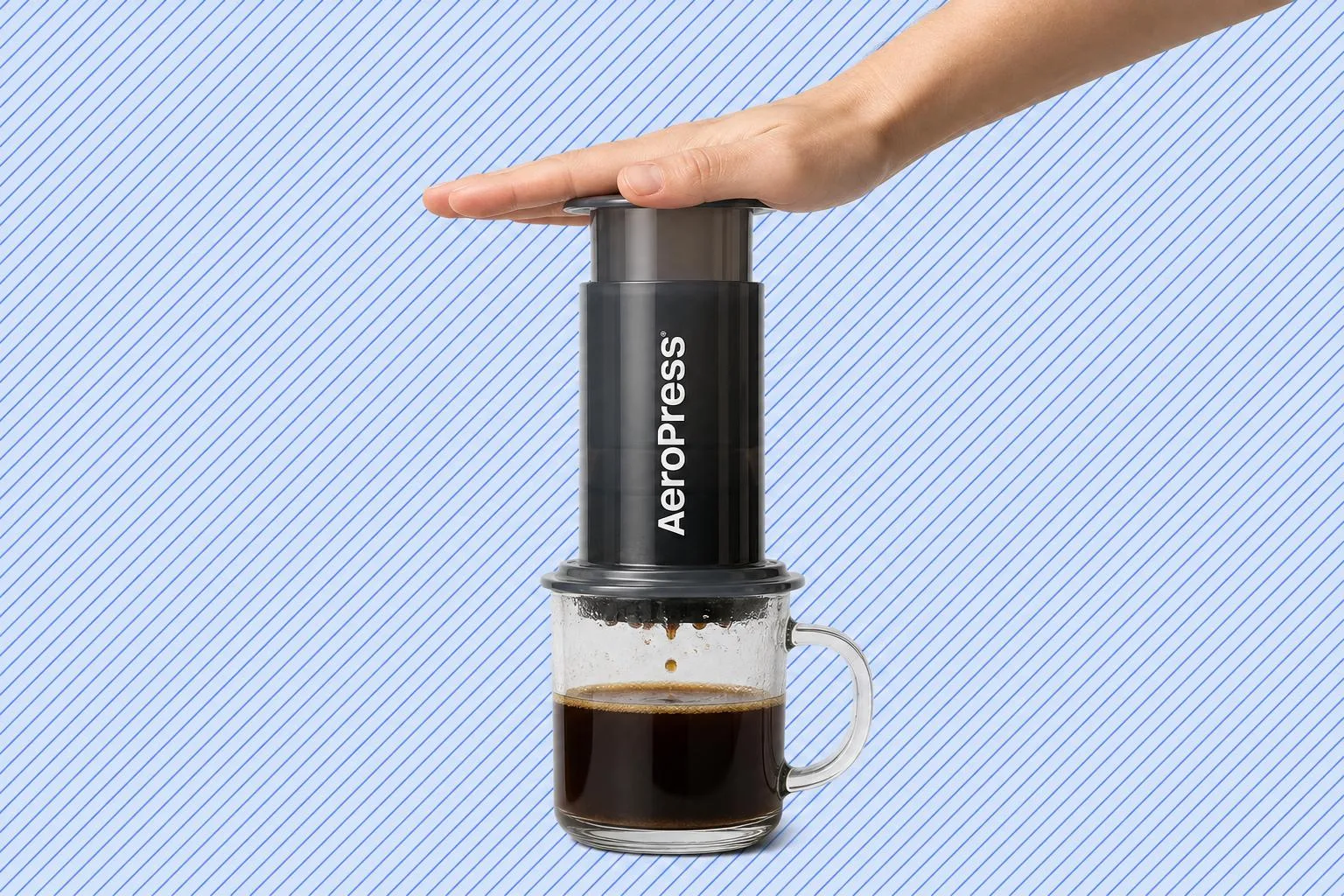
Competition news carried a first: after 18 seasons, the World AeroPress Championship is heading to Mexico City, with the December 6 final wrapped inside a full day of coffee events. If you brew with an AeroPress at home, this is the sport built around your device.
Sustainability drew the biggest number of the week. The Netherlands-based Sustainable Trade Initiative IDH launched a four-year programme to build a regenerative and verifiable coffee supply chain across four major producing countries, aiming to reach 300,000 farmers by 2030.
That theme, regenerative and verifiable farming at scale, keeps recurring in 2026, and it is the same logic behind UCC's Vietnam pilot. Buyers are increasingly treating soil health and traceability as supply security rather than optional extras.
There were leadership moves worth a line. Michael "Mike" Kapos took over as CEO of Rhode Island's Downeast Coffee Roasters, with his father Bill moving to president; and Los Angeles roaster-retailer Go Get Em Tiger named David Yardley, who previously co-founded MoonGoat Coffee Roasters, as its chief executive.
On the trade-body side, the Specialty Coffee Association announced newly elected committees for 11 existing European chapters. Quiet housekeeping, but it shapes who steers events and standards on that side of the industry.
What to watch next week
The arabica question is simple: does the harvest keep racing ahead while certified stocks stay near their lows? Faster Brazilian picking and dry weather favour lower prices, but that thin deliverable pool is what has kept the market firm, so watch the stock figure closely.
Watch commercialisation too. If Brazilian growers start selling faster and more of that record crop reaches classification, certified stocks could finally rebuild and take some tension out of the front month.
On robusta, keep an eye on Vietnam. If more reports back that 20% crop-loss estimate, this week's soft prices may not last. For now, the honest read is a market pulling in two directions at once, which usually means high prices that refuse to break either way.
If you would rather taste the origins behind these headlines than track the futures, start with our Brazil and Colombia pages, or let the decision helper narrow things down.