The single biggest force in coffee this week was the calendar in Brazil. The country's harvest is running behind, traders noticed, and prices climbed sharply into Friday's close to prove it.
September arabica settled up 7.70 cents on Friday, a gain of 2.46%, with the benchmark touching 320.30 cents per pound on July 17. September robusta rose too, up 80 dollars on the day. Both markets had spiked the week before, then spent this week whipsawing in thin, illiquid trade before finding a firmer footing.
The market: harvest pace does the heavy lifting
| Market | Price | This week |
|---|---|---|
| Arabica (ICE Sep) | 320.30 ¢/lb | +2.46% |
| Robusta (ICE Sep) | $3,871/tonne | +2.11% |
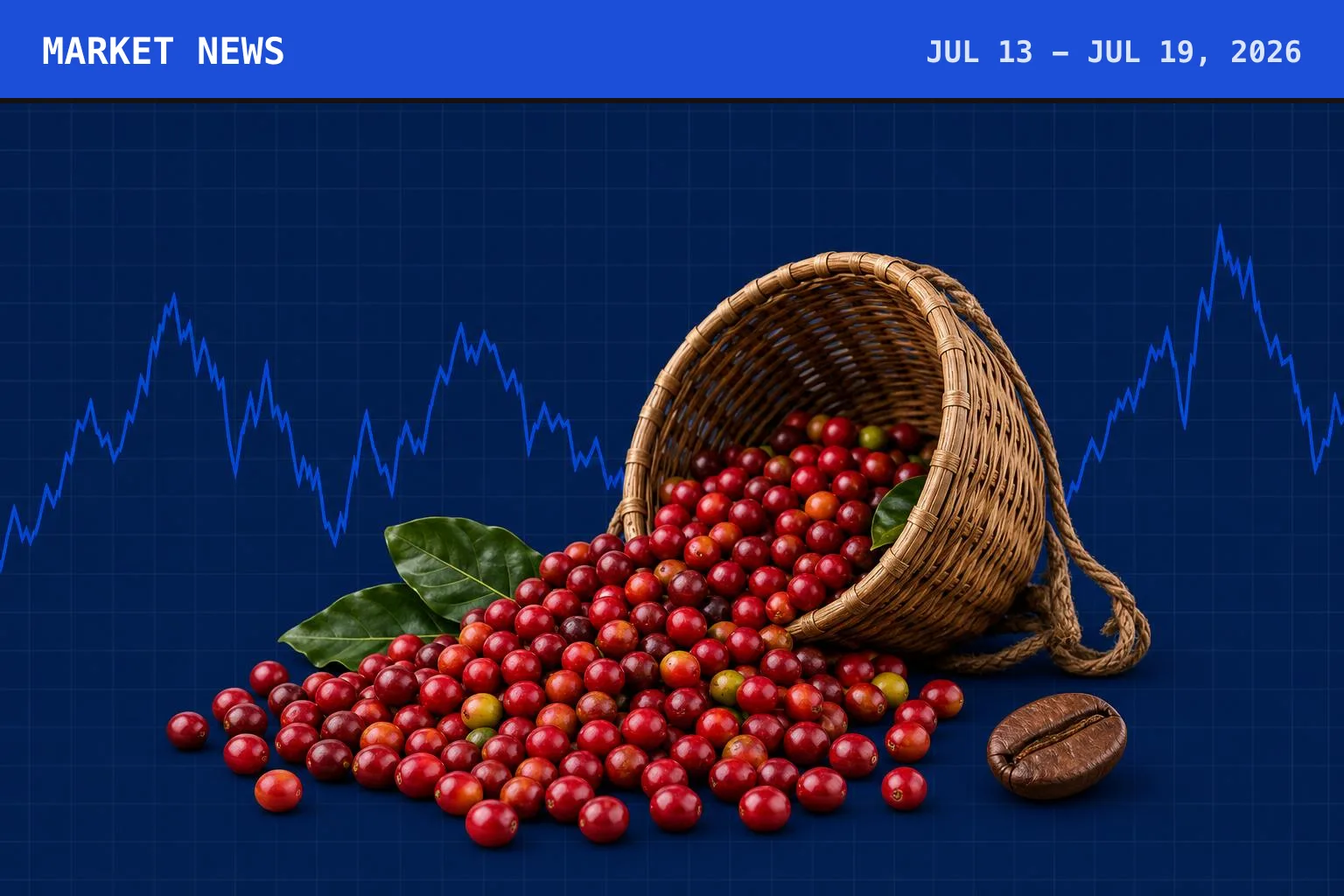
The number that moved the market came from Safras & Mercado on Friday. Brazil's 2026/27 harvest was 64% complete as of July 15, behind last year's 77% at the same point and behind the five-year average of 70%.
A slow harvest matters because Brazil is the giant that sets the floor for the world's washed and natural supply. When beans are slower to reach the market, buyers who need coffee now bid up the futures that price it.
There is a mechanical reason behind the wild swings, too. Summer trading is thin, so each fresh piece of harvest news moves prices further than it would in a busy market, and this week that meant sharp jumps in both directions before Friday's rally.
The backdrop is a market that has run hot. Over the past month arabica has risen almost 20%, and it sits about 5.5% above where it was a year ago. Earlier in the week arabica hit a five-and-a-half-month high, with robusta doing the same, before both pulled back in choppy trading.
The longer arc is a genuine rebound. Midweek the International Coffee Organization reported its daily indicator fell to 2.32 dollars on 9 June, the lowest since August 2024, then rallied to 2.72 dollars by month-end and pushed above 3 dollars in early July.
That is a striking reversal in a matter of weeks. A market that looked like it was bottoming out in early June is now testing the top of its recent range, which tells you how tightly supply and sentiment are wound right now.
For anyone buying beans, this is the slow tide behind the fast news: green coffee costs more than it did in spring, and roasters who held prices through the dip have less room left to absorb the next increase. Expect shelf prices to keep drifting up rather than snapping.
There was a twist in the trade data too. On Thursday, figures showed Brazil's 2025/26 exports fell 15.7% over 12 months to 38.46 million bags, the lowest since 2022/23, yet export earnings still reached 14.6 billion dollars after average prices jumped 17.4% in June.
Less coffee, more money: the story of the whole year in one line. It also explains why origins across the board are commanding higher prices, because even a smaller crop pays when the world is short.
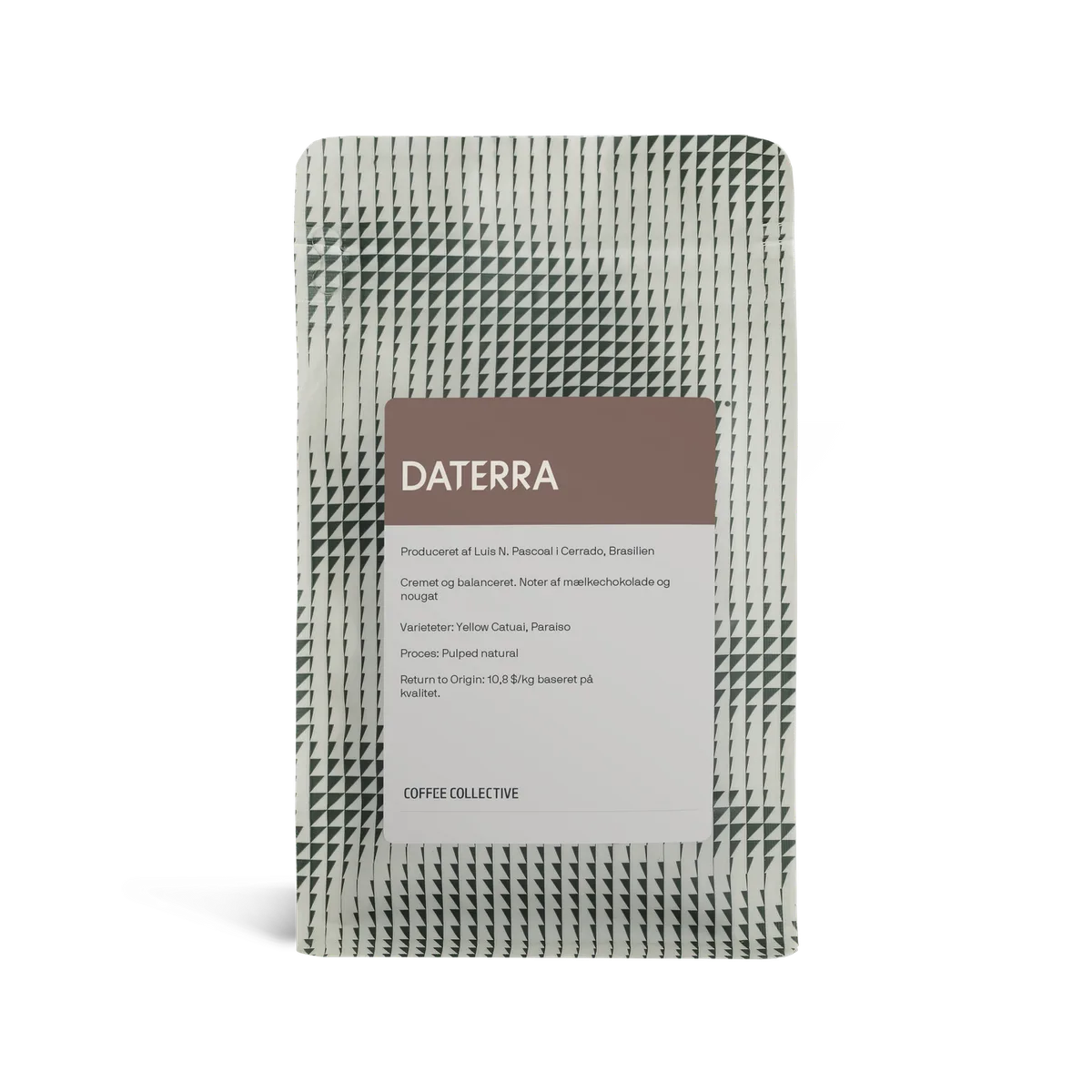
If you want a cup that shows off why Brazil anchors the market, this Daterra lot leans nutty and chocolatey rather than loud, which is exactly the Brazilian house style that fills the world's espresso.
The big names: Starbucks clears a legal cloud
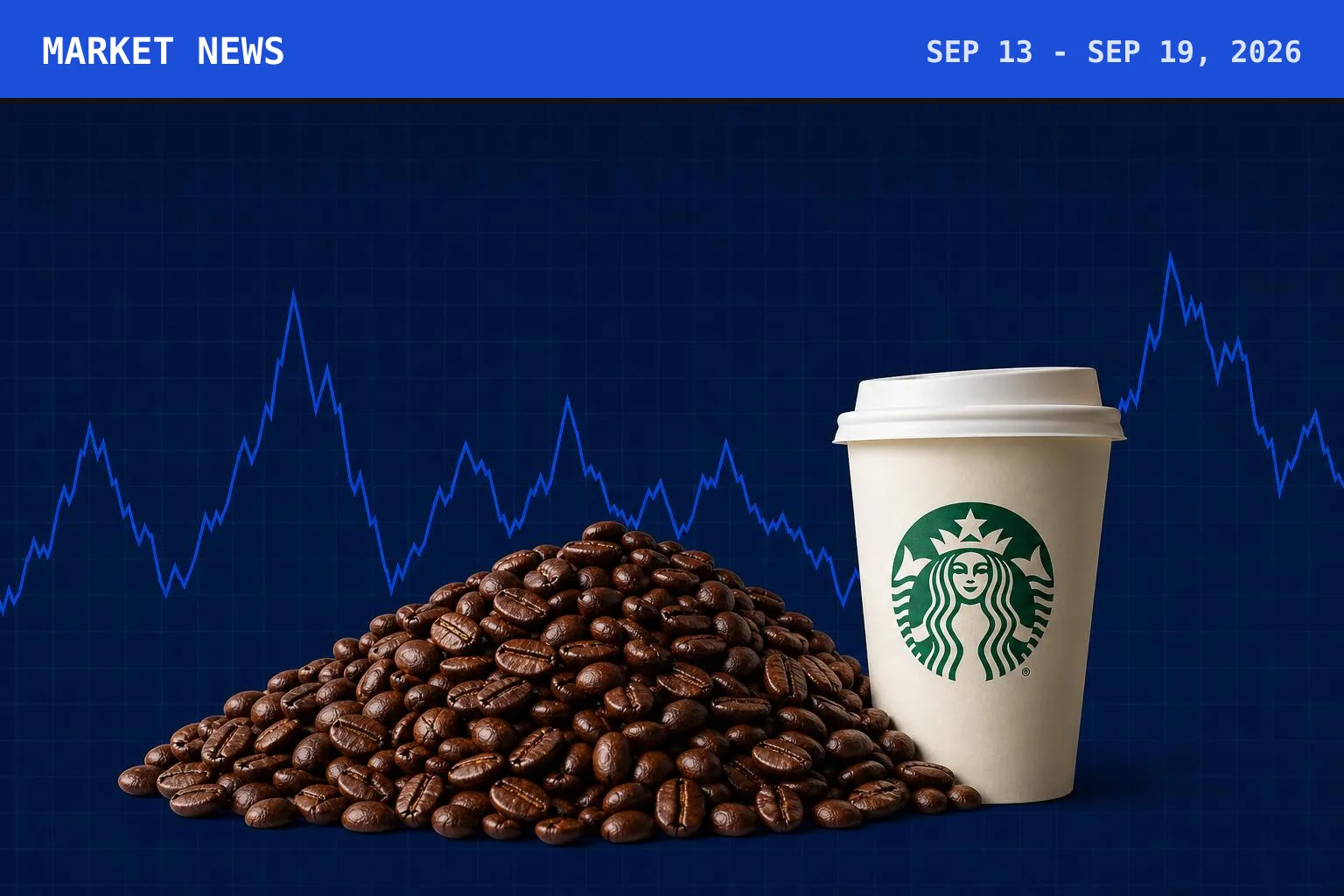
The week's biggest company story was a courtroom win. On Wednesday, July 16, a federal judge dismissed a lawsuit that accused Starbucks of defrauding shareholders by hiding falling sales in its two largest markets, the United States and China.
The case had been allowed to proceed last November, so the dismissal removes a real overhang. It also lands at a useful moment: on July 15 Starbucks said it will report third-quarter results after the close on Wednesday, July 29.
Investors liked the combination. Starbucks shares hit a new 52-week high on Friday, trading as high as 109.00 dollars.
None of this changes what is in your cup tomorrow, but it does shape how confidently the largest chain invests in stores and menu over the next year. A company that is fending off lawsuits spends differently from one that feels free to expand.
Lavazza made the week's most forward-looking move. On Thursday the trader ETG and Lavazza announced a partnership on satellite-based traceability for deforestation-free coffee, using satellite monitoring, geolocation and farmer training.
The programme starts with thousands of producers in Vietnam, aimed squarely at compliance with the EU Deforestation Regulation. It is a preview of where sourcing paperwork is heading: proof, from space, that a bag of coffee did not cost a forest.
That matters beyond one company. As big buyers build these systems, the cost and expertise of proving a clean supply chain gets baked into the price of every bag that reaches Europe.
illycaffè chairman Andrea Illy offered the philosophical version on Monday. He argued that AI, regenerative agriculture and wine-style sophistication are the future of specialty coffee, suggesting AI could soon advise growers on pruning and irrigation while automation manages watering directly.
Treat that as a vision statement rather than news, but the direction of travel is consistent. The people who buy and sell coffee at scale are betting on data, on farms and in the cup.
Elsewhere: rules, records and raised money
It was a big week for instant coffee. Brussels brought soluble coffee within the scope of the EU Deforestation Regulation, closing a loophole that let companies process outside Europe and import the finished product without the same scrutiny as green beans.
That is a quietly important change. Instant is a huge share of what the world actually drinks, and pulling it into the same traceability net as whole beans raises the compliance bar across the industry.
On Friday, the UK crowned a new champion. Daria Bila, representing Formative Coffee, won the 2026 UK Barista Championship, with Pact Coffee's Laura Metcalfe second and WatchHouse's Ted Longden third.
Bila will represent the UK at the World Barista Championship in October. These competitions are where next season's brewing ideas get road-tested, so it is worth watching what she pours and how she brews it.
The money story came from Reformed, a London functional-coffee brand that raised 22 million dollars to target the United States. The direct-to-consumer company says it reached 70 million dollars in annual recurring revenue in 20 months with 14 staff, blending arabica with collagen, creatine and mushrooms, and plans a US launch in autumn 2026.
You do not have to like additives in your coffee to notice the signal: investors still see fast growth in coffee sold as a wellness product, not just a drink.
Finally, education. On Thursday, CQI and the Brazilian Specialty Coffee Association partnered to make coffee training more accessible in Brazil, with the BSCA becoming the exclusive distributor of CQI's course material.
The deal, signed at World of Coffee in Brussels, aims to cut course costs for producers. Cheaper training for the people who grow coffee is the least glamorous story of the week and possibly the one with the longest tail, because better skills at origin show up as better cups years later.
What to watch next week
The harvest is the story to track. If Brazil's picking pace keeps lagging the five-year average, the upward pressure on prices has more room to run; if it catches up quickly, this week's gains could unwind just as fast in thin summer trade.
Mark July 29 too, when Starbucks reports. With the shareholder suit gone and the stock at a high, the numbers will tell you how the world's largest chain reads its own demand.
If all this talk of prices has you curious about where your money goes furthest right now, browse the full coffee catalogue or let the decision helper narrow it down by origin, process and roast. Both update as stock and prices move, which, this month, they are.