Probably, yes, and the risk is already showing up in futures prices. The U.S. Climate Prediction Center now sees a greater than 90% chance of a very strong El Niño during the northern hemisphere autumn and winter of 2026 to 2027, and coffee's supply chain is bracing for it.
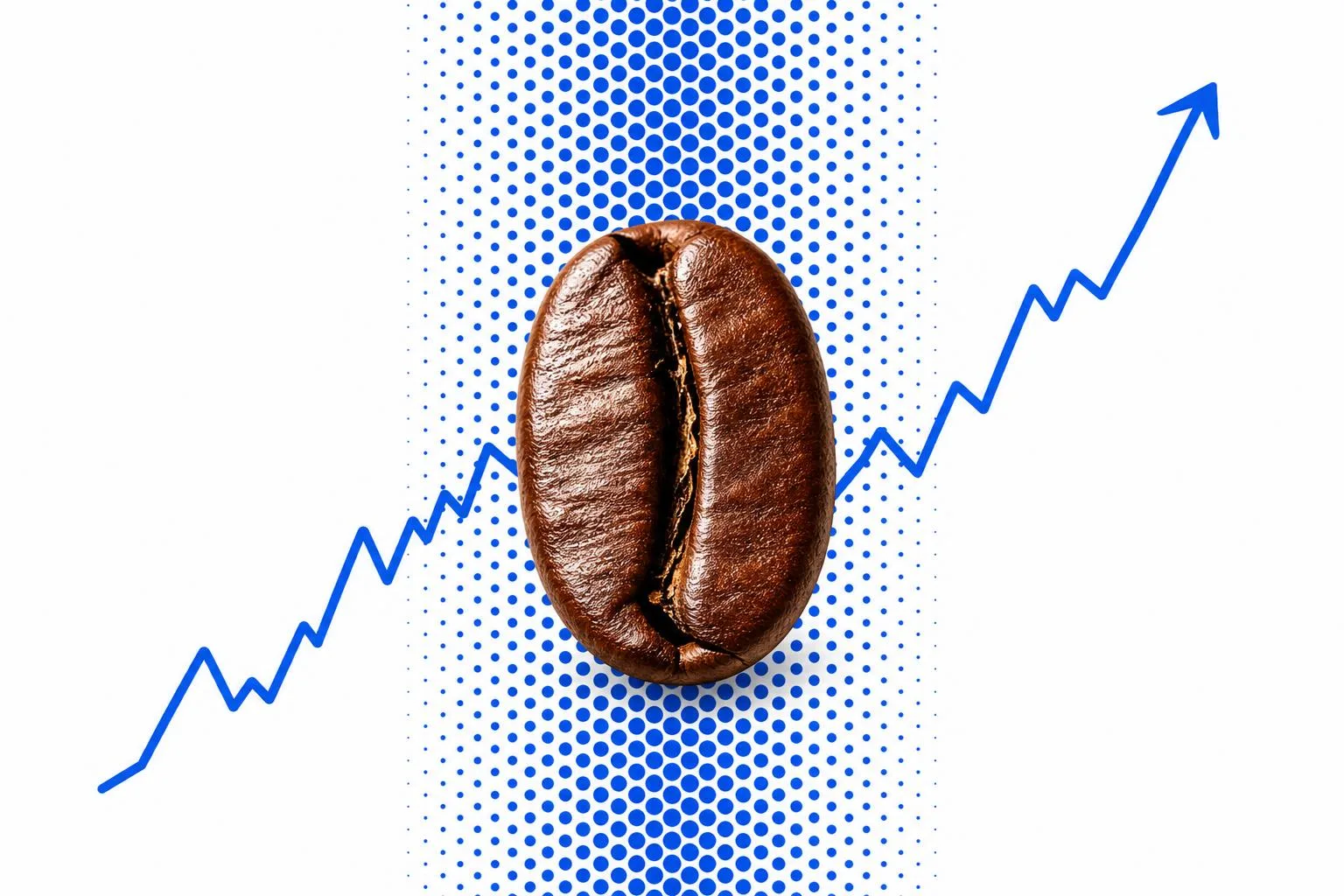
The damage, if it comes, lands mostly in the 2026/27 and 2027/28 harvests rather than today. That is why prices keep jumping on weather headlines even while this year's crop looks large: traders are pricing next year's fear, not this year's beans.
That gap between fear and fact is the whole story. Nobody can yet measure a shortage that has not happened, so the market trades on probability, and a greater than 90% forecast is a very loud probability.
The market is already twitchy
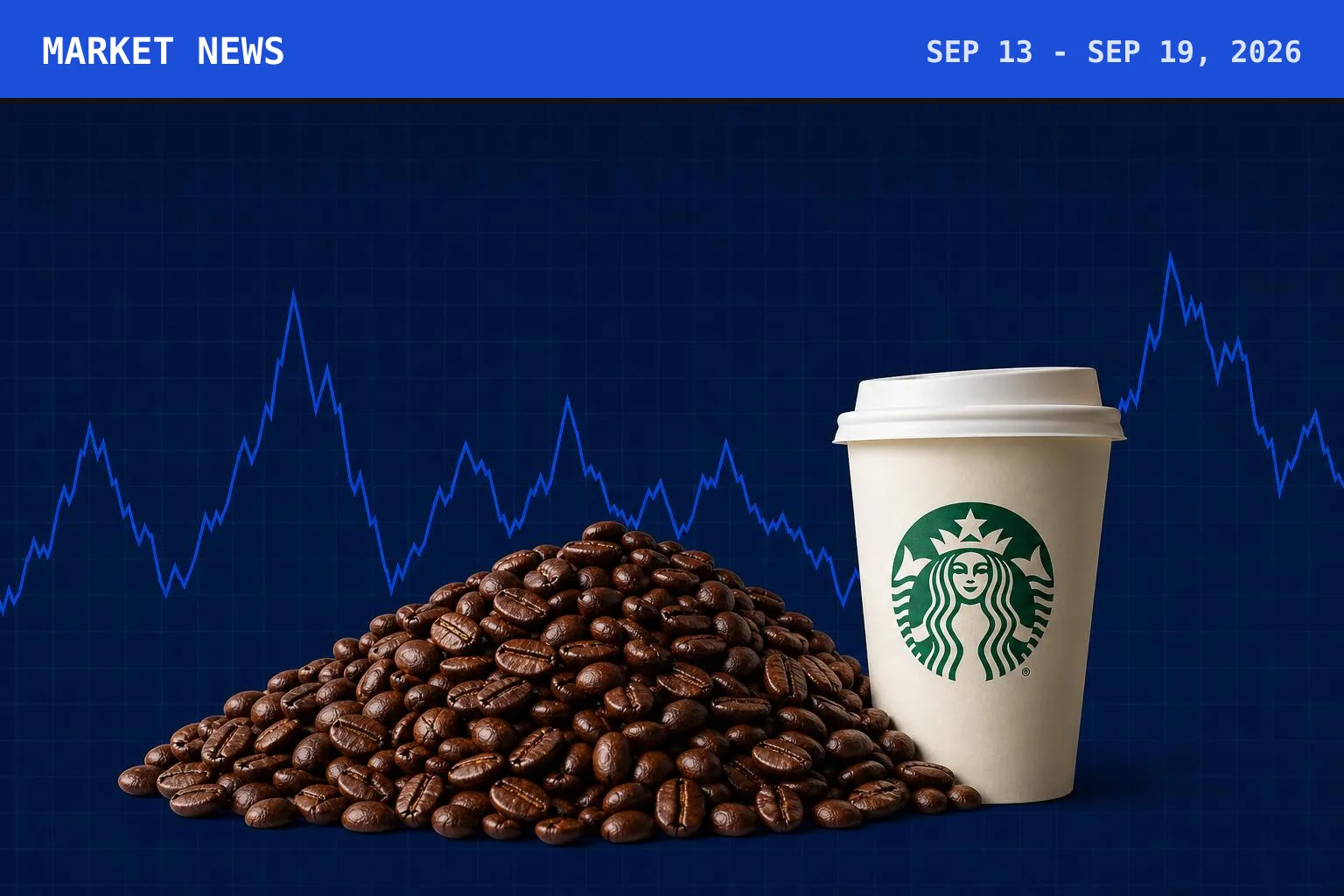
Arabica's September New York contract soared on Tuesday 18 August to 363.40 cents, its highest level for the front-month contract since the third week of January. Weather worry, not a real shortage today, drove that move.
Underneath the price sits a thin cushion. ICE-registered arabica stocks were reported at about 242.7 thousand bags, the lowest level since late 2023. When certified inventory is this low, any credible threat to a future crop gets amplified, because there is little buffer to absorb a shock.
GlobalData's senior analyst calls El Niño "by far the biggest risk to the global coffee market" right now. That is a strong claim, and it explains why headlines about rainfall in producing countries move the needle so fast.
Think of it as a market with no shock absorbers. In a year of fat inventories, a scary forecast barely registers; in a year of thin ones, the same forecast sends the front-month contract to eight-month highs.
Why El Niño matters for coffee
El Niño is a warming of the tropical Pacific that reshuffles rainfall across the coffee belt. In practice it tends to bring heat and drought to key growing regions at exactly the wrong moments in the crop cycle.
Heat alone can do real harm. A Brazilian cooperative president warned that above 27 °C the coffee plant slows its metabolism, and at 35 °C it stops completely, damage that can be worse than a simple lack of water.
Timing is everything. Growers fear El Niño will prolong dry, hot conditions into January 2027, which is when the bean-filling stage happens for part of the crop. Stress at that point shrinks beans and cuts both yield and quality.
Smaller beans are not just a farmer's problem. They mean fewer top-grade lots, more defects to sort out, and a thinner supply of the clean, high-scoring coffee that specialty roasters actually buy.
We have a recent template. The 2023 to 2024 El Niño cycle, combined with heat waves and irregular rainfall, dragged Brazil's 2024 crop from an initial forecast of 58.8 million bags down to 54.2 million. That is the kind of slippage a strong event can cause.
Brazil's record crop is the cushion, for now
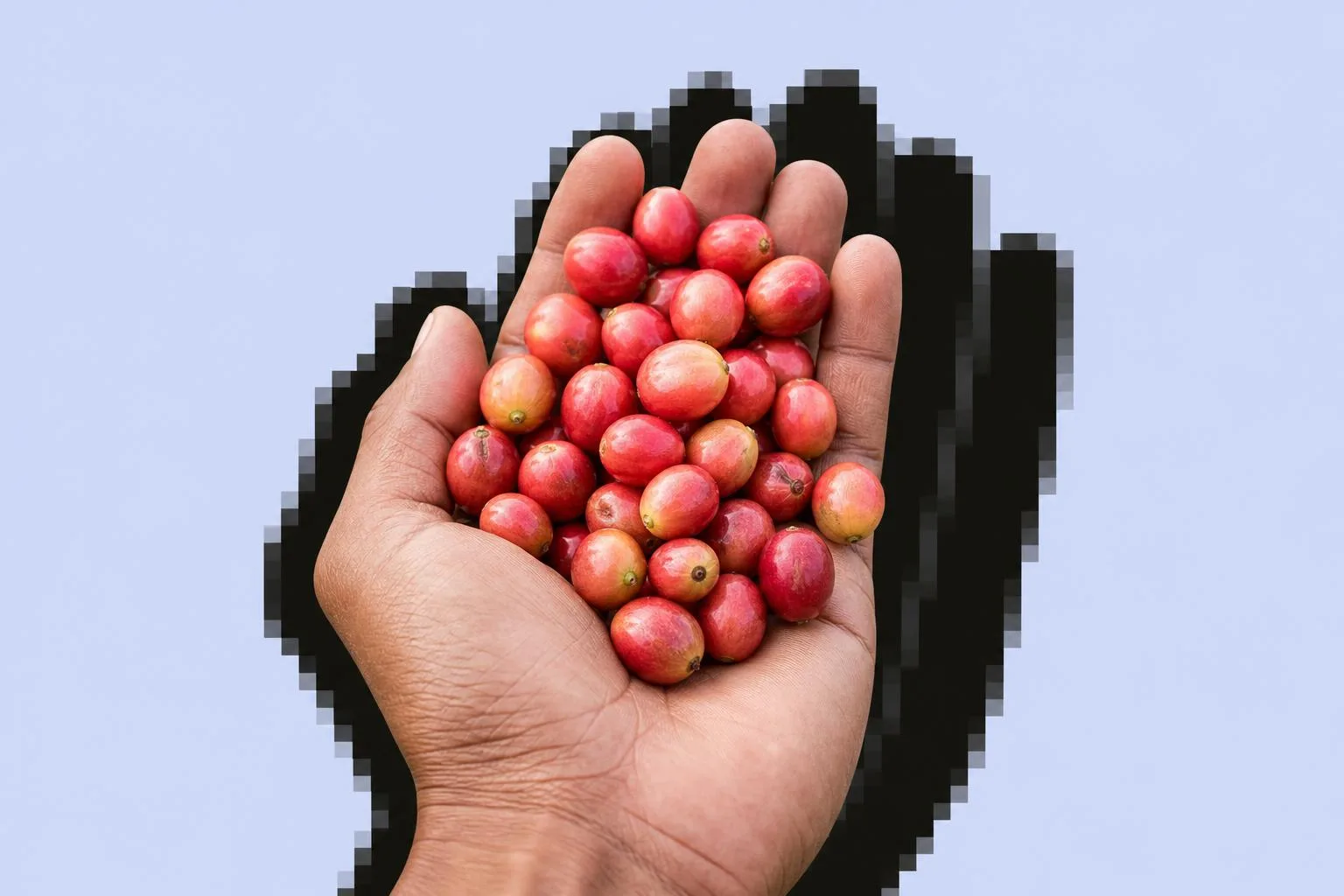
The reason prices are not already higher is Brazil. The USDA forecast a record 2026/27 crop of 71.9 million bags, a 14% increase, which is a lot of coffee flowing into the market.
But the same forecast carried a warning. The USDA flagged that a possible El Niño raises an alert on effects to the end of the 2026/27 harvest and, more seriously, the 2027/28 cycle.
That split matters for anyone wondering about 2027. For Brazil and Indonesia, the primary concern is not the crop being picked now but the following season, when this year's weather has had time to sap the trees.
Brazil is the base of the world's espresso, largely natural process coffee with nutty, chocolatey depth. A big 2026 crop keeps the everyday blend affordable, but a weak 2027/28 would remove that safety net.
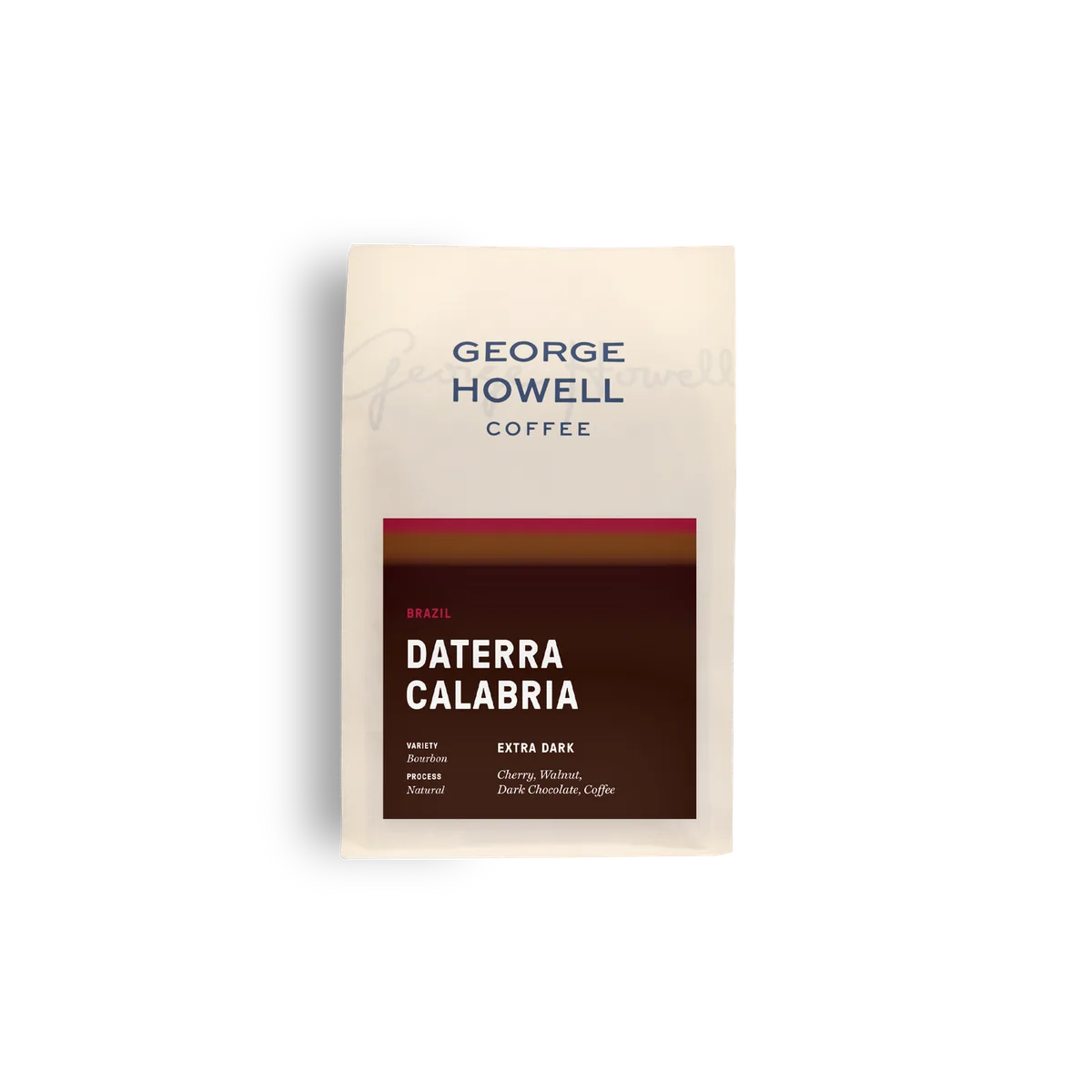
Here is a Brazil coffee that shows what the country does well, a clean, sweet natural that anchors many house blends:
Colombia and Central America feel it first
Colombia is already showing strain. The FNC estimates this year's production will fall 8% to 12.5 million bags, down from 13.7 million in 2025, blaming heavy rains earlier in the year and the onset of El Niño.
There is a currency twist too. Colombia's exports for the first half of 2026 fell 18% year on year, partly because a strong peso cut producer revenue and encouraged farmers to hold back sales. Less coffee reaching the market tightens supply even before weather bites.
El Niño's effect on Colombia is not all bad. It historically brings drier, sunnier stretches, which can make it easier to control coffee leaf rust, but the trade-off is water stress on the trees.
GlobalData expects Colombia, India and parts of Central America to be among the most affected in the 2026/27 harvest. These are the washed, balanced coffees many people drink daily.
Colombia's cup is sweet, dependable and friendly, the all-rounder of specialty washed coffee. If you want to taste why the origin matters before prices climb, this is a good, honest example:
It is also a robusta story
El Niño is, among its many identities, a robusta event. Vietnam and Indonesia dominate world robusta supply, both sit in the Pacific pattern's dry zone, and both face critical growing seasons inside the 2026 to 2027 window.
Robusta is the backbone of instant coffee and cheaper blends, so its price feeds straight into supermarket shelves. The USDA expects Vietnamese production of 32 million 60-kilogram bags in 2026/27, the overwhelming majority of it robusta.
Vietnam has a known pressure point: the February to April dry season, when farmers irrigate flowering trees from reservoirs filled by the previous wet season. A dry El Niño winter leaves those reservoirs low right when the trees need water most.
Officials are cautious rather than alarmed. VICOFA vice chairman Thai Nhu Hiep said the 2026/27 robusta crop could see a slight increase, but that the threat posed by this year's El Niño should not be underestimated.
The memory of the last event is fresh. VICOFA said the 2023 to 2024 harvest ended down 20% at 24.5 million bags, one of the smallest crops in the past decade. A repeat would push robusta prices up sharply.
When robusta and arabica both tighten at once, blenders lose their usual escape route. In normal years a roaster can lean harder on cheap robusta when arabica spikes; a shared El Niño squeeze closes that door.
What this means for your cup
For now, prices are elevated but not spiking uncontrollably, held in check by Brazil's big year. The real test is the weather from late 2026 into early 2027.
If you drink specialty single-origin coffee, expect the sharpest moves in washed Colombia, Central America and India lots tied to the 2026/27 harvest. If you drink supermarket blends or instant, watch robusta, where a poor Vietnamese season would hit hardest.
None of this is a reason to panic-buy. Coffee keeps best fresh, and hoarding beans for a year does more damage to your cup than a price rise does to your budget.
A few sensible moves:
- Buy as you normally do, but be ready for shelf prices to drift up through 2027 if the forecasts hold.
- If you love a specific origin, enjoy it now rather than waiting for a mythical dip.
- Consider stretching your budget with well-priced everyday lots and saving splurges for genuine treats.
There is one comfort worth holding onto. Weather forecasts are probabilities, not certainties, and a milder-than-feared event or timely rain could soften the blow even now.
The honest summary is this: a strong El Niño makes higher 2027 coffee prices more likely than not, but the size depends on rainfall no one can predict yet. Brazil's record crop is buying the market time, not immunity.
To explore the origins in the firing line, browse our countries pages, and if you want a coffee to try today, our decide tool matches beans to how you brew.