The story of the week was a number: the USDA now expects the world to grow more coffee in 2026/27 than ever before. That forecast, published midweek, pulled futures down for three straight sessions before a Friday bounce steadied the ship.
For anyone buying coffee, the takeaway is simple. The supply picture for next year looks heavier, which caps how far prices can run, even while today's physical stocks stay tight.
The market: a record forecast versus empty warehouses
| Market | Price | This week |
|---|---|---|
| Arabica (ICE Sep) | 313.80 ¢/lb | +1.42% |
| Robusta (ICE Sep) | $3,757/tonne | +1.32% |
The two figures above are Friday's rebound levels, and they hide a choppy week. Coffee slid after the USDA report landed, and on Thursday, July 23, September arabica ended at 309.40 cents, its lowest in nearly three weeks. September robusta fell just over 2.3% the same day, to $3,708.
Prices turned on Friday, July 24. September arabica closed up 4.40 cents (+1.42%) and September robusta rose 49 dollars (+1.32%). Even after the sell-off, arabica was still up 13.64% over the past month, a reminder of how high this market sits.
The driver was the USDA's half-yearly report, out Wednesday, July 22. It forecasts world production rising by 10.8 million bags, or 6%, to 189.667 million, with arabica reaching an all-time high of 105.867 million (+12.1%) as robusta output slips 0.7% to 83.8 million.
Brazil does much of the heavy lifting. The USDA pencils in 2026/27 output of 71.9 million bags, a jump of 8.9 million bags (+14.1%), and expects world ending stocks to rise 1.9 million bags to 26.3 million. More coffee, more cushion, lower prices: that is the logic the market followed.
What stopped the slide becoming a rout was the here and now. ICE arabica certified stocks kept shrinking, falling to just 315,883 bags on July 23. A record crop next year does nothing for a warehouse that is short this month.
That gap between a bright forecast and thin present-day inventory is why the week was so jumpy. Traders had to weigh a heavy 2026/27 harvest against the plain fact that the beans available to deliver against futures right now are close to multi-year lows.
It helps to keep the two clocks separate. Futures prices lean on expectations of the future, while certified stocks measure what can actually be handed over today, and this week those two clocks were telling very different times.
Brazil's weather also matters two ways. Dry conditions are helping the current harvest move quickly: Somar Meteorologia reported 0.2 mm of rain in Minas Gerais in the week to July 19, about 20% of the historical average.
The worry sits further out. One trader flagged that El Niño may delay Brazil's rains this September and October, exactly when the trees flower for next season, and warned the pattern could be one of the strongest in over 75 years. A weak flowering would trim that record forecast fast.
The ICO's monthly indicators tell the same high-but-easing story. For July, the composite averaged 291.26 cents, with Colombian Milds at 390.43, Other Milds at 365.08, Brazilian Naturals at 325.12 and Robustas at 185.98, and the latest published day nudged most of those lower.
For the shelf, this is the same message as recent weeks. Roasters bought their current green at high prices, so retail bags are unlikely to fall soon, but the pressure to push them higher is easing.
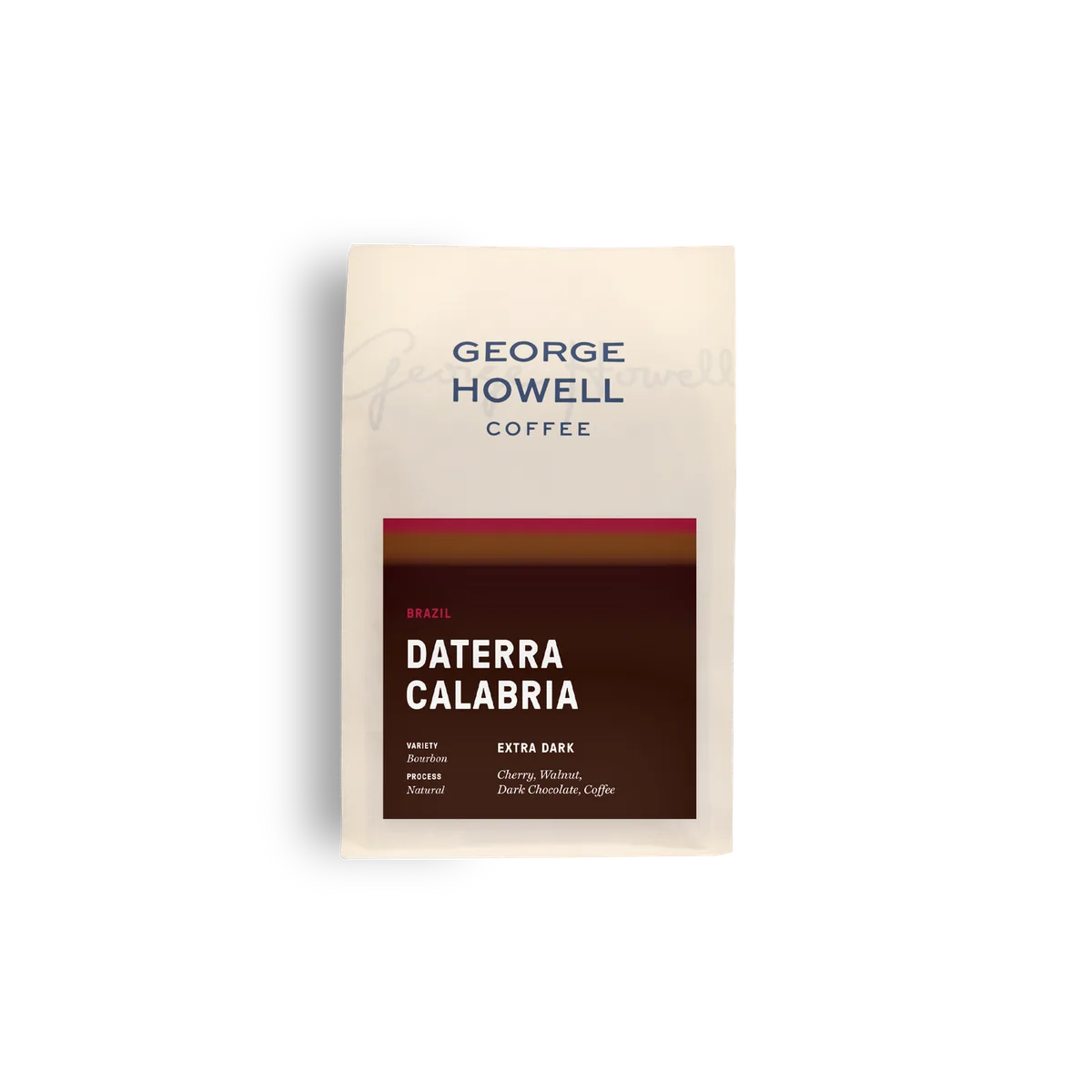
If you want a cup that tastes like the country at the centre of this story, a clean natural Brazilian is the easy pick: nutty, chocolatey and low on drama.
The big names: Luckin lands, Starbucks looks back
The week's biggest company story was a landing. China's Luckin Coffee, a chain of roughly 33,600 locations at home, is expanding into New York City, and the trade press framed it plainly as direct pressure on Starbucks.
Luckin has opened stores in Grand Central Terminal and at 48th and 3rd, rolling out self-ordering kiosks as it goes. The pitch is speed, novelty and low prices, aimed squarely at US drinkers on Starbucks' home turf.
Whether Americans take to it is an open question, but the model is built on volume and value, not third-wave sourcing. For the specialty world it is a reminder that most cups sold are still bought on price and convenience, not on origin or process.
It is also a reminder that the app, not the barista, is now the front door for a huge share of coffee sales. Luckin's whole system runs on phone orders and kiosks, and that is the ground on which it is choosing to fight.
Starbucks answered with nostalgia. On Monday, July 20, the company confirmed the Unicorn Frappuccino will return worldwide for a single weekend from August 15, a bright, sugary throwback pitched at summer foot traffic.
The drink first went viral in 2017, and reviving it is a low-cost way to buy attention. It says something that the incumbent is reaching for a memory rather than a new idea, just as a hungry rival plants flags a few blocks away.
The more consequential Starbucks date is next week: the company reports fiscal Q3 2026 results after market close on Wednesday, July 29. Those numbers will say more about the health of the world's largest coffee chain than any limited-edition drink.
Together the two stories frame a bigger question. A low-cost challenger is planting flags in Manhattan just as the incumbent leans on a five-year-old viral drink, and next Wednesday's earnings will show whether that mix of pressure and nostalgia is moving the needle.
Elsewhere in coffee
A quieter but important story came from Honduras. A Daily Coffee News origin report on Tuesday, July 22, laid out the squeeze from Europe's deforestation rules.
Coffee is one of Honduras's most important exports, and about half of it goes to the European Union, where stricter supply-chain rules aimed at halting deforestation are coming into force. Smallholders now face the cost and paperwork of proving where every bag was grown, a burden that falls hardest on the least resourced farms.
The rules are meant to keep forest-clearing coffee out of Europe, which is a worthy aim. The risk is that the compliance cost pushes the smallest growers out of the highest-value market, exactly the farmers specialty buyers most want to support.
It is worth remembering that Honduras is not just volume. Its high-grown lots can be delicate and floral, and are increasingly worth seeking out.
On the competition side, Barista Magazine reported on Friday, July 24, that Weber Workshops has been named the first-ever Official Espresso Basket Sponsor of the World Barista Championship, supplying its Unibasket. Gear choices at the top table tend to ripple down to home espresso setups over time.
It sounds like a small piece of hardware, but the basket shapes how water flows through the puck, and a championship-endorsed part gives home baristas one more reason to chase repeatable shots.
And in cold brew, Columbus-based BrootLegg Extracts launched business-to-business cold brew production this week using equipment of its own design, alongside a house ready-to-drink line. It is a small sign of how much of coffee's growth now lives in the cold, canned aisle rather than the hot cup.
That shift matters for growers too. Cold, sweeter formats reward clean, fruit-forward coffees, and a busier cold-brew supply chain is one more outlet for the naturals and lighter roasts specialty roasters already favour.
What to watch next week
Two things sit on the calendar. First, Starbucks earnings on Wednesday, July 29, which will test whether the chain is winning back traffic as Luckin arrives.
Second, the Brazil weather map. The record crop forecast that drove this week's sell-off assumes a normal flowering; if El Niño delays the September rains, the market's mood could turn quickly.
For now, the practical advice holds. Prices are high but no longer climbing every week, so if you have been putting off restocking, this is a fine moment to browse the catalogue or let the decision helper narrow things down.